9 Daily Habits of Women Who Age Slower

Medically reviewed by Stephanie Wright, RN, BSN
Women in their 70s who are energetic enough to carry bags of mulch out to the garden. Women who can’t wait to see what happens next year. Women who have energy left over at the end of the day.
Genetics can’t account for everything. There’s power in your hands with a few things you can be doing every day.
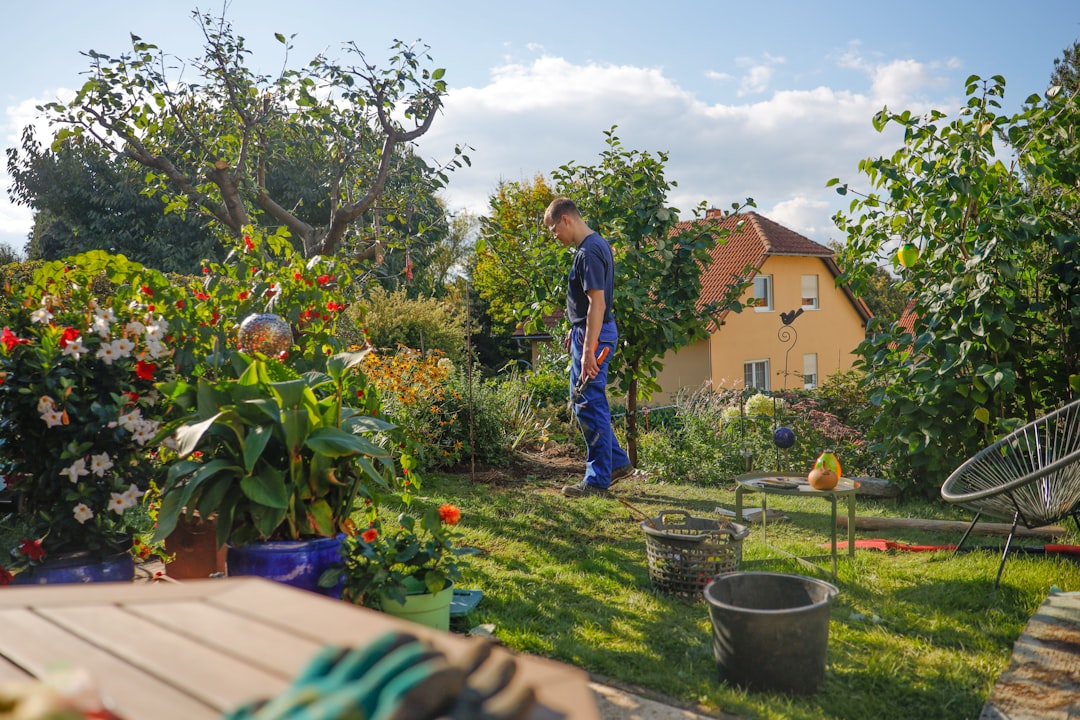
Want to be one of those sprightly women in their 70s? Start with these nine habits.
1. They keep moving between workouts

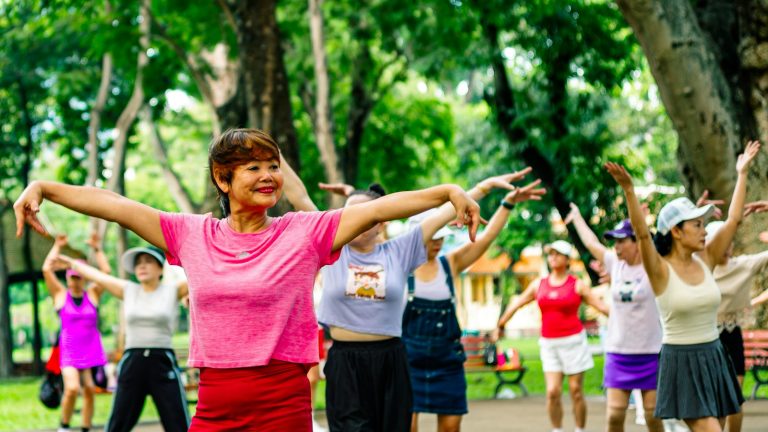
We hear about the benefits of structured exercise all the time, but the movement you do outside of workouts counts too. It has a name: non-exercise activity thermogenesis, or NEAT. NEAT is all of the little movements that add up throughout your day: walking to run errands, gardening, climbing stairs, carrying objects.
Across a day it can add up to more than a single workout. Try to find ways to work more of these types of movements into your day, especially if you have a job that keeps you seated.
Watch: the 10 research findings that decide how the decades after 50 go, counted down in five minutes.
2. They include protein throughout the day
Want to be able to make it up the stairs or out of a chair with ease as you get older? Focus on maintaining your muscles now.
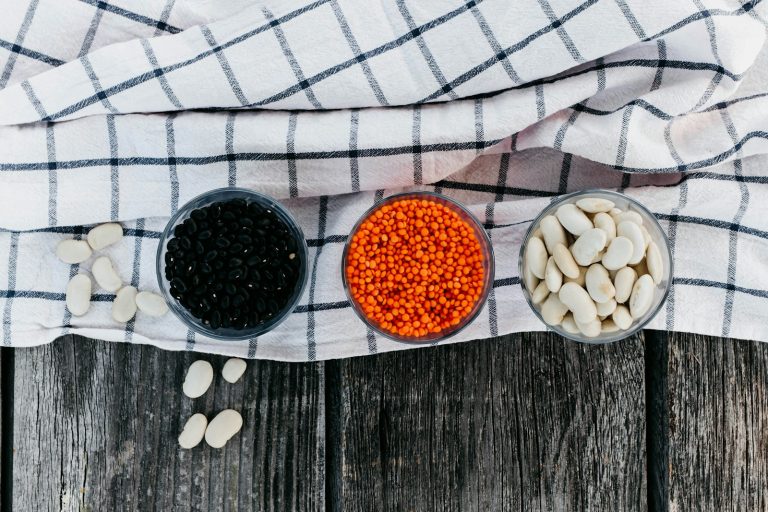
As you age, your body requires more protein to maintain your current level of muscle. Researchers who study muscle in midlife often point to roughly 25 to 30 grams per meal as a useful target, though the right number for you depends on your size, how active you are, and your kidney function. It is worth asking your doctor or a dietitian rather than treating it as a fixed rule.
3. They give their muscles resistance to work against
In addition to consuming more protein, engage in strength-building activities. You don’t have to join a gym if it doesn’t appeal to you. Lifting weights, resistance bands, bodyweight exercises, and even carrying heavy objects around the house all count as resistance training.
Building and maintaining muscle will help you stay strong into your 60s, 70s, and beyond. Strength and balance work is also one of the better-studied ways to reduce how often older adults fall in the first place.
4. They keep regular sleep hours
Your body does its best repairing during sleep, so aim to get enough of it on a regular basis. In addition to quantity, the quality of your sleep matters, too.
One of the simplest things you can do is go to bed and get up at the same time each day, including weekends. A steady schedule keeps your body clock consistent, which tends to make falling asleep and waking up less of a fight.
5. They make time for their relationships
Humans are social creatures. Research conducted by Holt-Lunstad and her colleagues looked at the impact of loneliness and social integration on mortality by conducting a meta-analysis of 148 studies with over 300,000 participants.
Those with better social connections had 50% greater odds of survival. It’s an effect size that rivals quitting smoking.
Loneliness has been linked with higher levels of inflammatory markers and stress hormones, though studies of this kind cannot tell us which comes first. Either way, prioritize the people in your life who lift you up.
6. They have something that gives the day meaning
In Okinawa, the concept of ikigai is prevalent, which can be described as having a reason for being, a reason to get out of bed in the morning. Research has linked a sense of purpose with longer life.

Your ikigai might be your family, a passion for gardening, a commitment to volunteerism, or a collection of recipes you’re determined to pass on to your grandchildren. Whatever gives your life meaning, make sure you’re nurturing that in your day-to-day.
7. They protect their skin from the sun
A large part of the aging you see on someone’s face is a result of sun exposure. While you can’t undo years of unprotected trips to the beach, you can prevent additional sun damage with diligent use of sunscreen, wearing a hat, and seeking out shady spots.
Protecting your skin will pay dividends in years to come.
8. They have a daily way to unwind
Chronic stress contributes to aging in the body. Find a way to blow off some steam each day: prayer, gardening, knitting, taking a walk, whatever helps you unwind.
It can be as simple as carving out 20 quiet minutes with a cup of tea. Whatever form of relaxation resonates with you, try to make it a ritual.
9. They keep learning
It’s not just your muscles that need strengthening, it’s also important to stimulate your brain. Studies link a larger cognitive reserve with a brain that copes better with age-related decline.
Mentally demanding activities that push your brain in new ways are the leading candidate for building it, even if researchers are still sorting out how much any single activity contributes: learning a foreign language, musical instrument, or a new board or strategy game.
Give your week some structure without scheduling every minute
You don’t need to choose between working out or taking the stairs. Everyday activity and intentional workouts can be incorporated into a fit and flexible fitness plan. But housework, for instance, is not equivalent to a challenging workout or a brisk walk. So, factor both everyday movement and more intense workouts into your activity and exercise plan. As you think through your plan and look at your calendar, remember that you don’t have to plan out every minute of your week.
It is helpful to have a general idea of when you can fit in balance-enhancing and aerobic activities and muscle-strengthening exercises. According to the CDC, adults 65 and older should work toward doing at least 150 minutes of moderate-intensity aerobic activity or 75 minutes of vigorous-intensity aerobic activity, or an equivalent combination of both, each week, muscle-strengthening activities on 2 or more days a week, and activities that promote balance.
Of course, work toward those goals based on your own fitness level and abilities. And leave room on your calendar for appointments, relaxation, and life’s curveballs.
Remove one obstacle before adding more ambition
Think of all the ways a given habit can fall through on an ordinary Tuesday. Making a healthy, balanced meal might require lots of different ingredients and cooking. Leaving your walking shoes where you can see them might inspire you to go for walks.
Leaving books next to chairs where you sit might get you to read. Using frozen vegetables or choosing easier recipes might help you eat better after long, tiring days at work. Attending a less-than-glamorous exercise class in your neighborhood might work better than trying to get to the perfect, amazing class across town.
Identify what might stand in the way of the habit you’re trying to form, then see if there’s something practical you can do to make it easier.
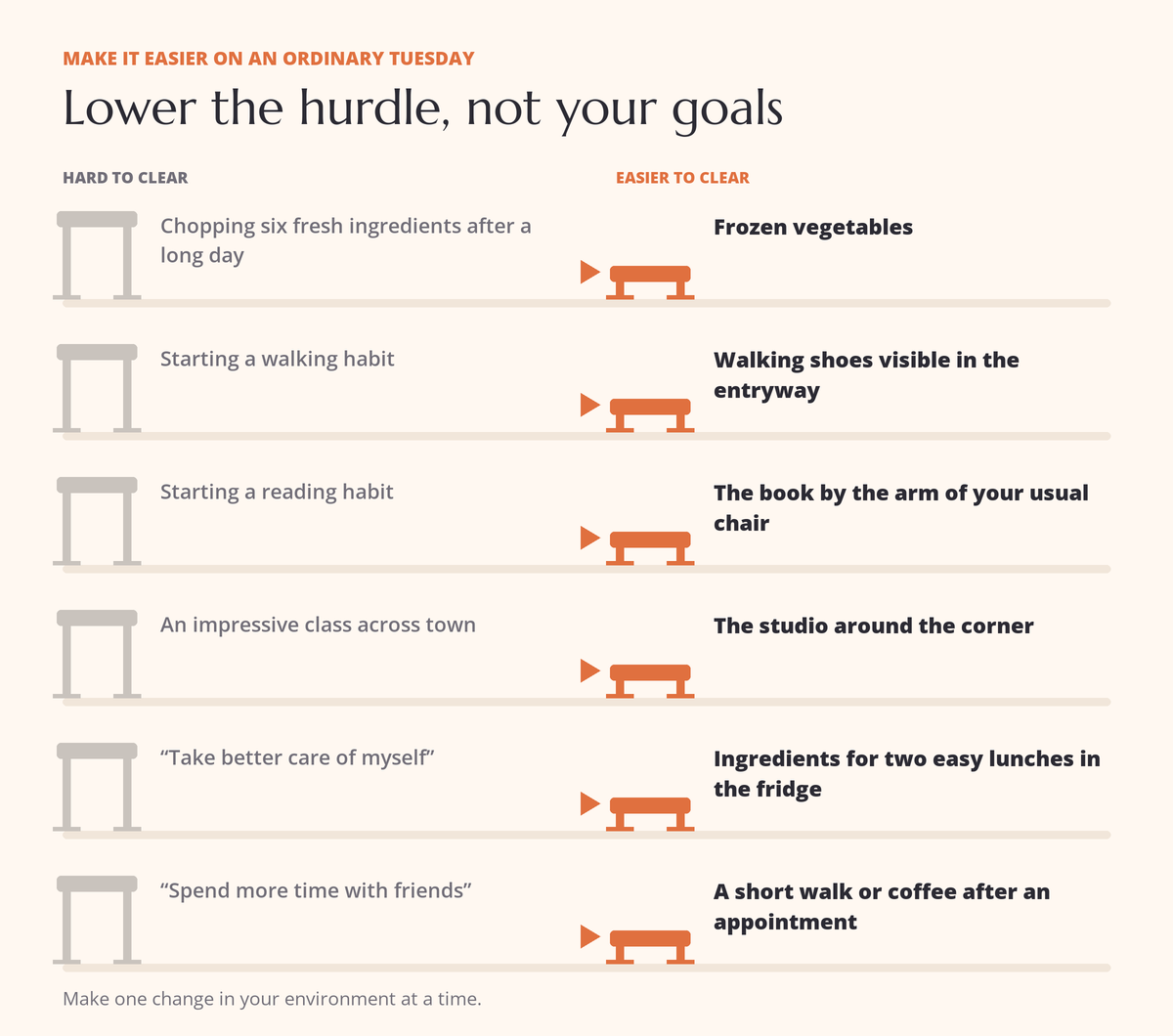
A minor tweak might be all you need to make an imperfect but sustainable version of the idealized, inflexible routine you’ve been envisioning, and abandoning, up till now.
Make social plans small enough to happen
‘Spend more time with friends’ can stay an intention for months. But a more specific plan is more likely to happen. Invite a friend for a short walk or coffee after an appointment, or set up a regular phone call. You don’t have to throw a dinner party or organize a group outing.
If you have a shrinking social circle, try to lower the bar of what counts as socializing. Think about contexts where you’ll see people repeatedly, whether that’s a class, a volunteer opportunity, a book club at the library, a community garden. It takes time to become comfortable in a new context. Not every conversation has to become a friendship.
Try not to turn the research on social connection into another thing to worry about, because a quieter social life isn’t a personal failure. The practical question is whether you have enough contact that feels good. If not, what can you do about it?
Give your brain more than a puzzle app
Learning something you enjoy, like signing up for a foreign-language class or working through a crossword because you like crosswords, is a good use of your time, but a brain-game app can’t do the whole job. NIA says there currently isn’t enough evidence that commercially available computer-based brain-training apps have the same impact as the cognitive training tested in research.
NIA’s advice for cognitive health also includes managing chronic health problems like high blood pressure, talking with your health care provider about the medicines you take, and treating hearing or vision loss. If you have difficulty hearing or seeing, getting help can mean staying active and enjoying the activities you love.
Make sun protection convenient enough to use
The most elaborate skin-care routine won’t help much if the sun protection step keeps getting skipped. The American Academy of Dermatology (AAD) recommends a broad-spectrum, water-resistant sunscreen with an SPF of 30 or higher. The AAD says to reapply about every two hours when you’re outdoors, or after swimming or sweating, and that seeking shade and wearing sun-protective clothing matter too.
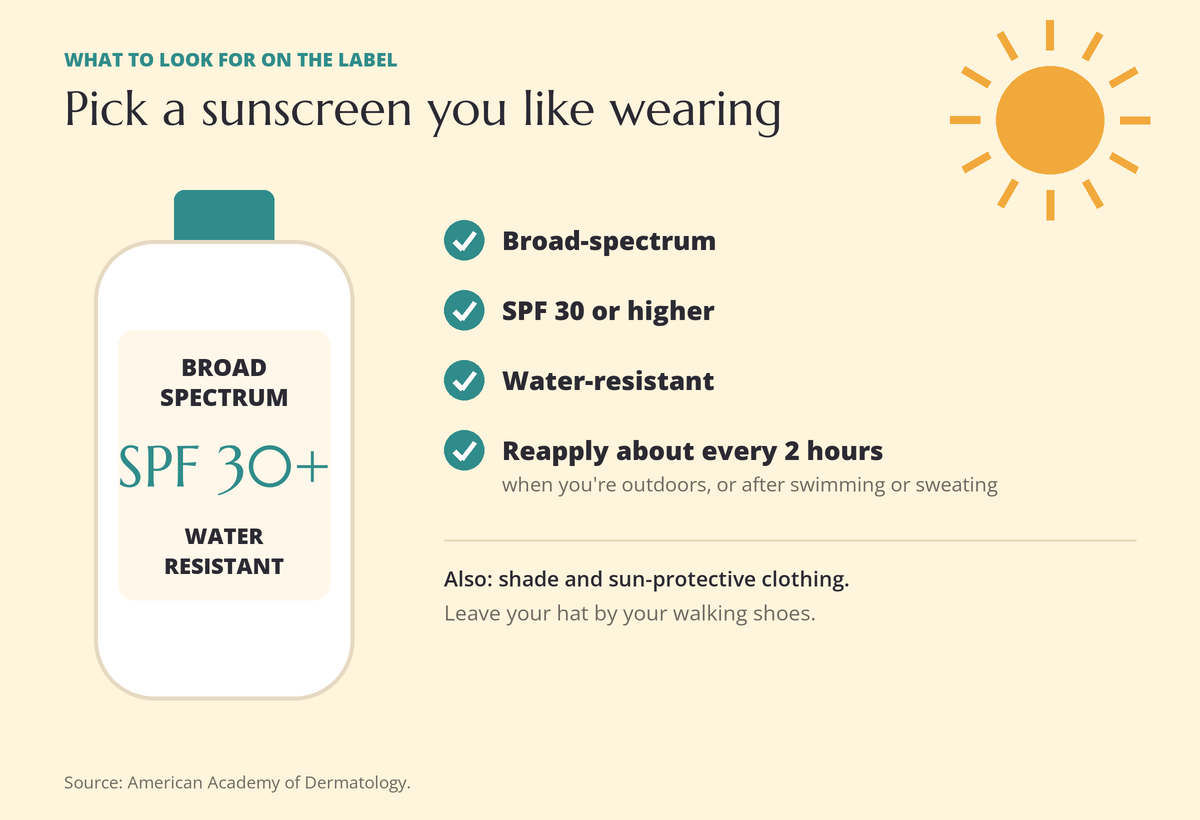
Choose a sunscreen you like wearing. Leave your hat by your walking shoes or your gardening tools. Seek out outdoor venues that have shade. Sun protection is worth doing whether you welcome your wrinkles as signs of a life well lived or try everything under the sun to avoid them.
Keep routine health care in the picture
Make sure you’re giving medical care the space it needs in your routine, and don’t assume that diet and exercise are going to fix everything. The National Institute on Aging’s cognitive health advice, for example, includes getting recommended health screenings and managing conditions such as high blood pressure, diabetes, depression and high cholesterol.
Jot down a few questions ahead of time, as it’s hard to remember them all in the moment. When you go to your doctor’s appointment, let them know what’s been bothering you. Don’t assume that something’s just a part of growing older if it’s preventing you from carrying out regular activities. Ask about screenings and immunizations that make sense given your age and medical history.
Plan for the weeks when less is possible
Some weeks are going to be harder than others. Maybe you’re sick, or you’re caring for someone who is. A useful routine has room to scale back when it needs to.
A meal can come from the freezer, a visit can become a phone call, and exercise may need to be scaled back or paused depending on your health and your doctor’s advice. Then, when you’re ready to get back to your routine, remember, you don’t need to make up for lost time. Come back to your routines gradually.
Getting sick or otherwise developing a health issue doesn’t mean you’ve chosen the wrong habits or haven’t worked hard enough. These habits are a way to take care of yourself within the life and body you have. Keep the parts that are helpful, tweak the parts that aren’t working, and let them change as your needs change.
Start with one habit you can repeat
Some of these habits may be easy to slip into your daily routine, others might prove to be more of a challenge. That’s okay.
You can still reap rewards by beginning to take better care of yourself at age 55, 65, or 75, even if you’ve been less-than-diligent up to this point.
Rather than feel overwhelmed by the prospect of changing it all up, pick one area that may be lacking and make an action plan to integrate this habit into your day.


Love your comments! It’s our time to put the mask on first. PB 72 and loving myself!!!!!
Love your comments! It’s our time to put the mask on first.