The 4 Muscles That Decide Whether You Stay Independent (And a 10-Minute Test for Each)

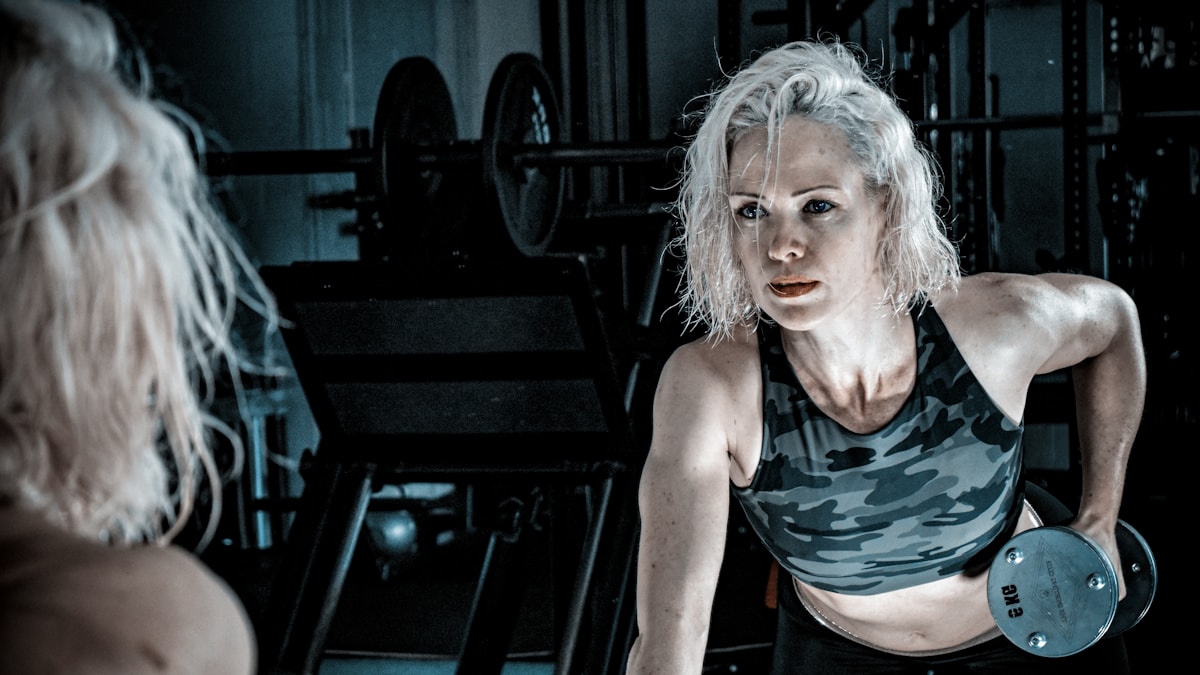
Muscle strength and muscle size, which is a major factor in muscle strength, can be predictors of your ability to stay on your feet and keep living independently.
Declines in the size and strength of four particular muscle groups are associated with mobility limitations, falls, and, in some cases, all-cause mortality: your grip and forearms, hip abductors, calves, and quadriceps. A recent Longevity Daily post brought these four together.
Here are four easy-to-perform checks that will help you to focus on the right areas to train, plus a straightforward workout you can perform twice a week. Total time for all four self-checks: about 10 minutes.
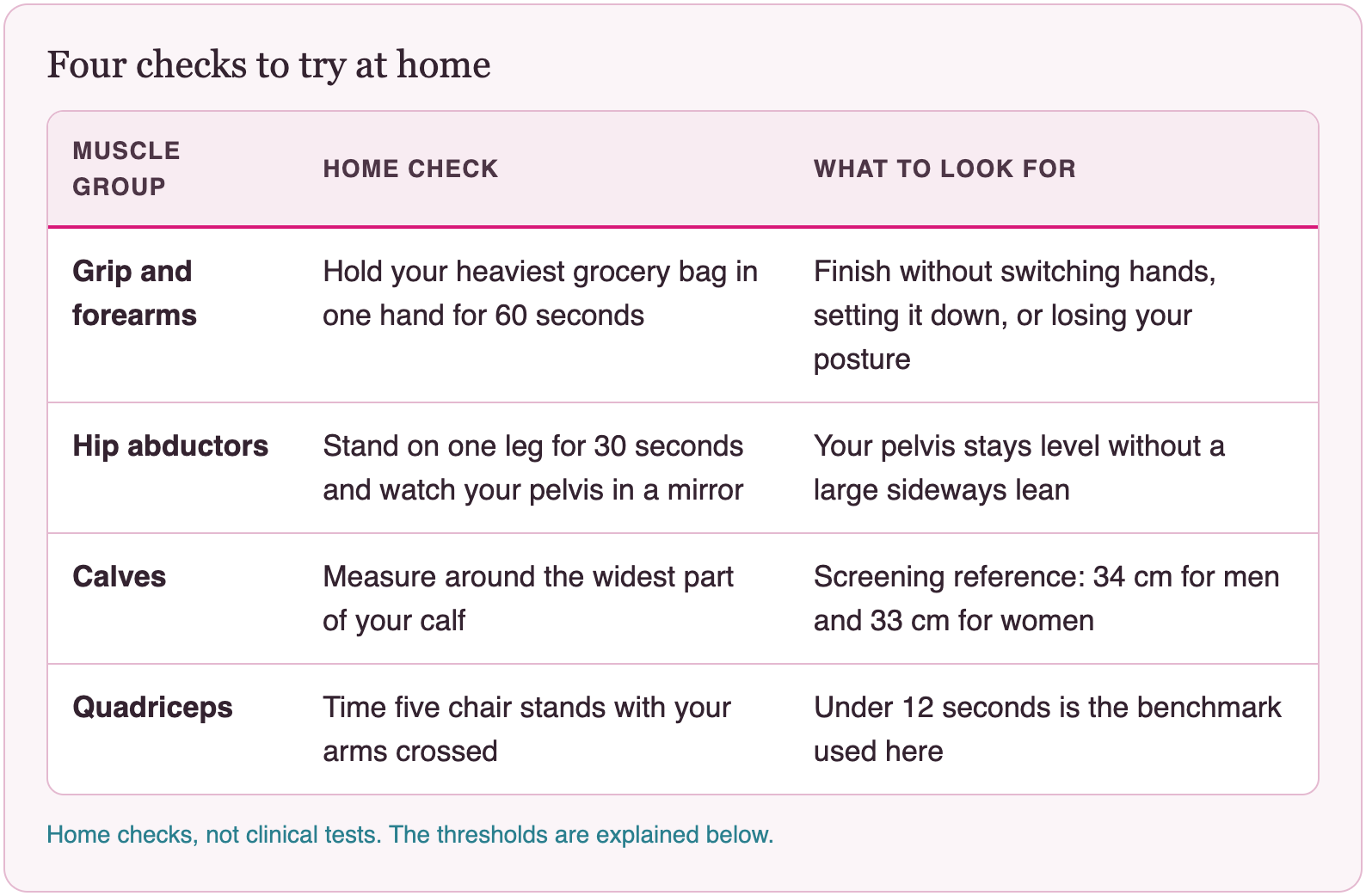
Four checks to try at home
Grip: The one-minute carry
Fill a heavy, reusable grocery bag with items and hold it at your side in one hand for one minute, either standing still or walking. Keep your shoulders level and torso straight. Needing to set the bag down, switch hands, or hunch over with the bag suggests your grip is struggling with everyday loads. Clinicians can more precisely measure grip strength with a tool called a hand dynamometer.

Hip abductors: The single-leg hold
Stand in front of a mirror and, keeping your eyes open, lift one foot a few inches off the floor and hold for 30 seconds, then switch.
According to StatPearls, a drop of the pelvis on the side of the lifted leg or significant leaning over the supporting leg could signal weakness of the hip abductor muscles, specifically the gluteus medius and gluteus minimus, the muscles along the outside of your hip. A pelvic drop during single-leg standing is known as a Trendelenburg sign.
Keep your eyes open. Without vision, this is mostly a test of balance, not strength. Most people over 60 can’t stay balanced for more than a few seconds on one leg with their eyes closed.
Calves: The tape-measure check
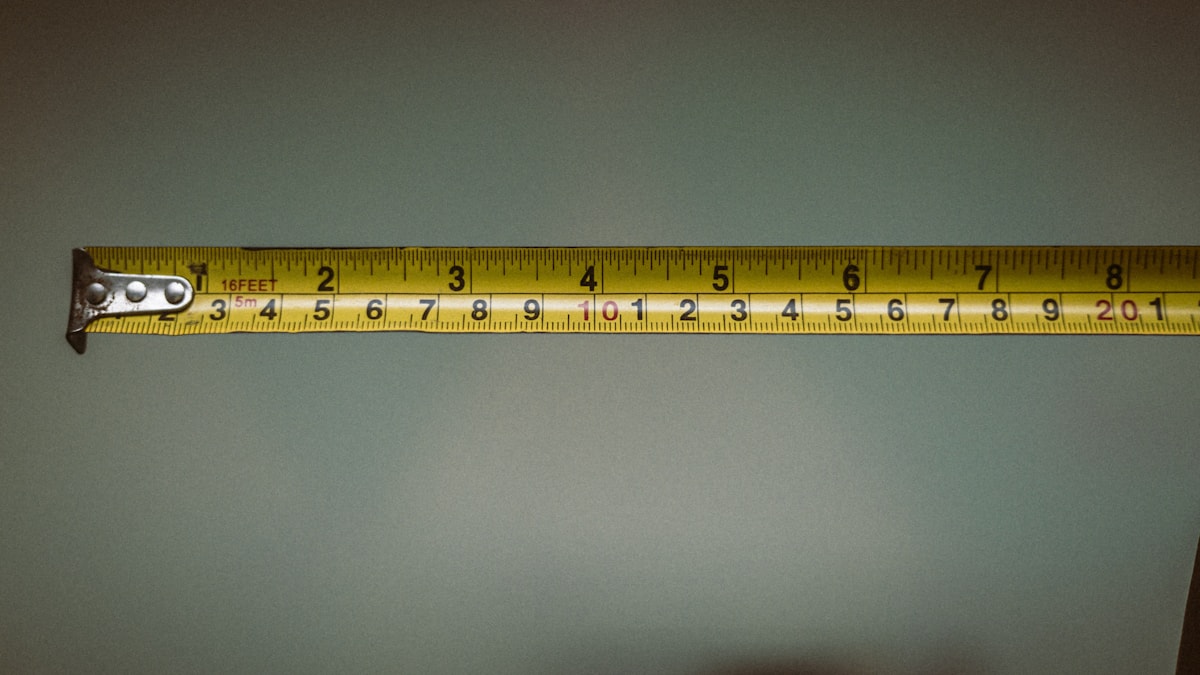
Sit in a chair with your knees bent at a 90-degree angle and feet on the floor. Using a soft tape measure, measure the circumference of the largest portion of your calves. Keep it snug without pressing into your skin. Measure both legs and use the larger number. The screening thresholds discussed here are 34 centimeters (about 13.4 inches) for men and 33 centimeters (about 13 inches) for women.
Keep in mind, however, that calf circumference is a measure of muscle size, not strength. Your frame, swelling, and body fat also affect calf circumference.
Quadriceps: Five timed chair stands
Sit in a sturdy chair with arms crossed over your chest. As quickly as possible, stand and sit back down five times, timing yourself. A total time under 12 seconds is the benchmark used here. In studies, times of 12 seconds and greater prompt follow-up by a clinician or physical therapist, and times over 15 seconds have been associated with an increased risk of repeat falls in adults over age 65.
These tests offer a snapshot of function. A difficult result isn’t a diagnosis or a prediction, but can help you and a physical therapist identify areas of weakness to work on.
A 30-minute workout that trains all four
All of these muscles respond very well to training into our seventies and eighties. Perform all five exercises as a circuit. Aim for three rounds. Allow up to one minute of rest between circuits. Twice per week, allow at least one day between workouts. Time required: About 30 minutes twice a week.
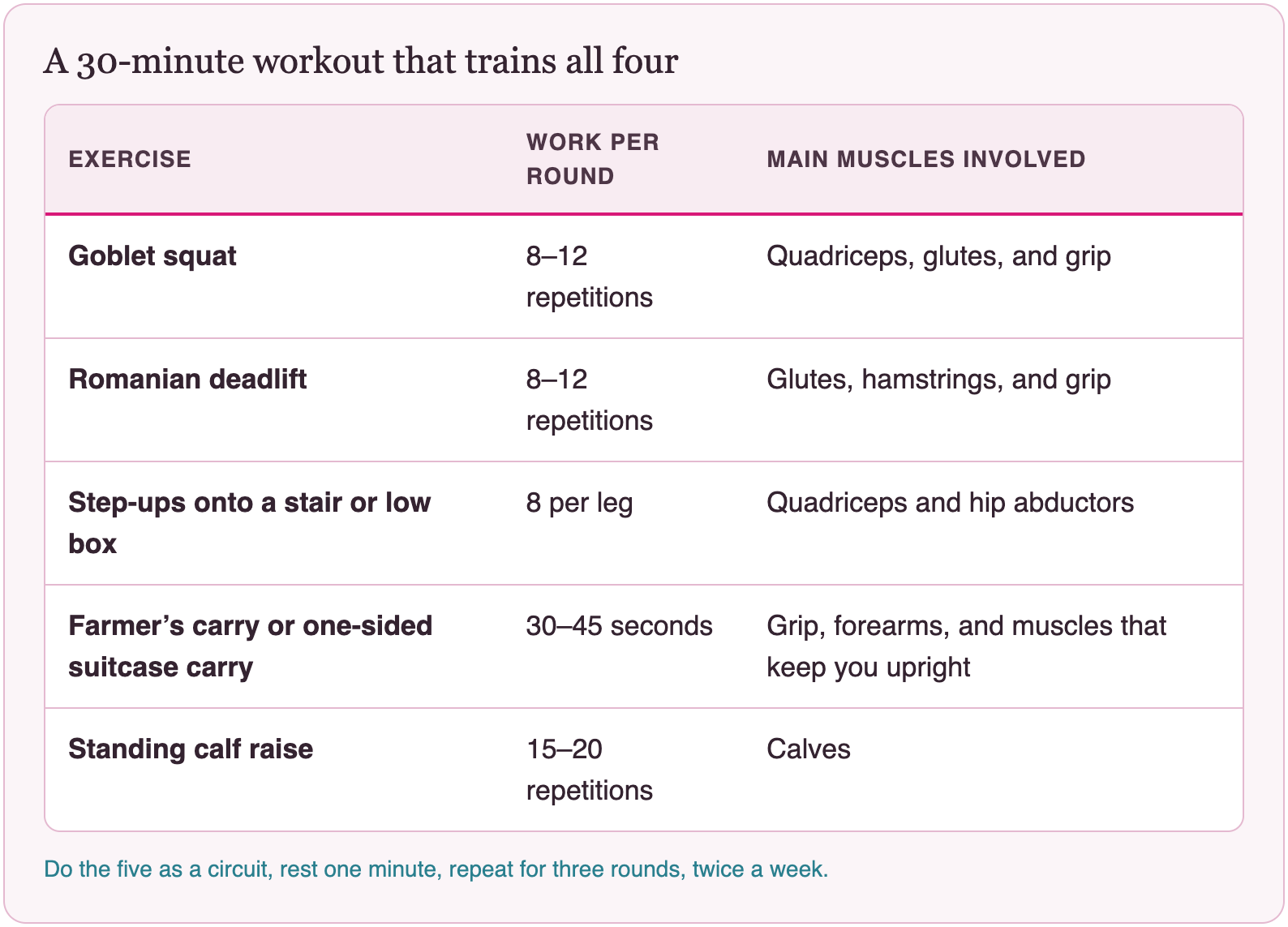
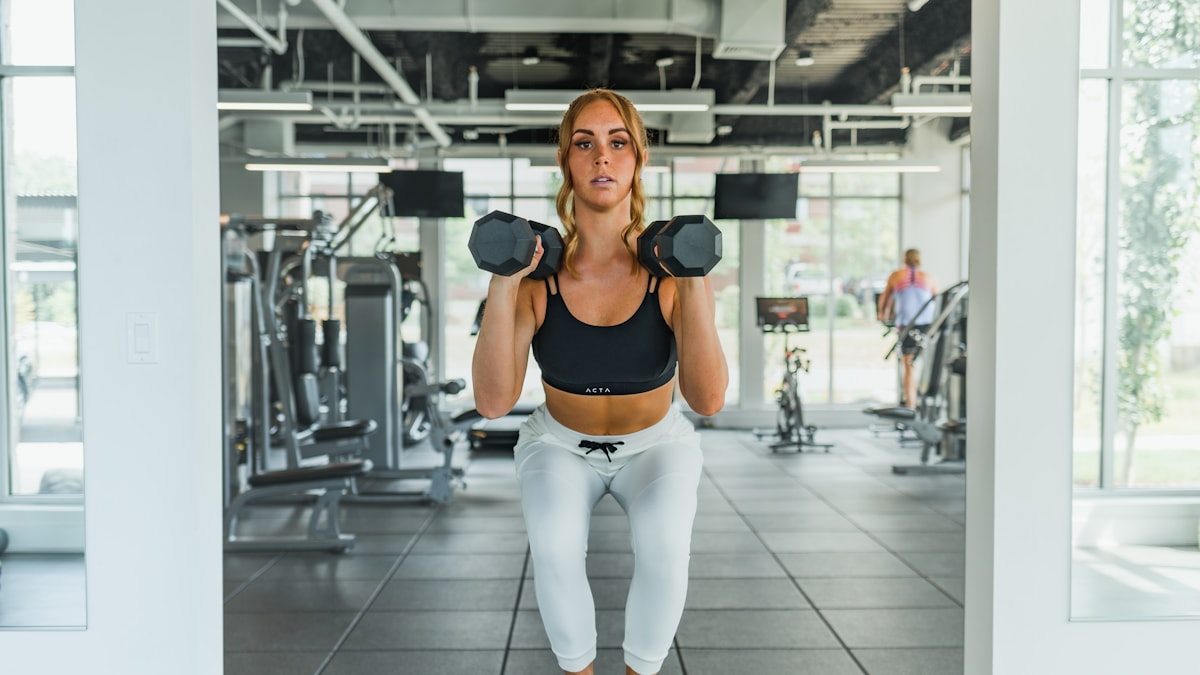
If this seems like too much to tackle right away, the 15-minute beginner plan will get you started with squats and hip hinges. If a full standing session is too much, seated exercises can get you started on your quads and calves. For an extra challenge, perform at least one circuit using the one-handed carry. This challenges your ability to brace against side-to-side forces, an underrated facet of core stability.
Choose a weight you can control with good form, and increase it gradually as you get stronger. For the calf raises, go through a complete range of motion, hold for a second at the top, then lower yourself down under control.
Why grip strength matters
A team at the Population Health Research Institute at McMaster University in Hamilton, Canada, published a large epidemiological study in The Lancet in 2015 looking at grip strength as a marker of mortality and health. The authors followed 139,691 people ages 35–70 living in communities in 17 countries for a median of four years. The results of this “Prospective Urban Rural Epidemiology” study: Every five-kilo (about 11-pound) decrement in grip strength was associated with:
- A 16% higher risk of death from any cause
- A 17% higher risk of cardiovascular death
- A 7% higher risk of heart attack
- A 9% higher risk of stroke
The researchers concluded that grip strength is an easily measured biomarker of overall health that surpasses common risk factors such as systolic blood pressure as an indicator of future all-cause and cardiovascular mortality. Obviously, having a weak grip won’t cause these outcomes. But a weak grip may be an indicator that your muscles are declining. Training all of them will help.
According to the European sarcopenia consensus, low handgrip strength is defined as less than 27 kilograms in men and less than 16 kilograms in women. Another consensus by the Asian Working Group for Sarcopenia says grip strength of 28 kilograms in men and 18 kilograms in women are considered low. Unfortunately, you’ll need a tool called a dynamometer to test your grip, so you won’t know your handgrip strength by carrying those bags of groceries.
Why the muscles beside your hips matter
The abductors keep your pelvis stable when only one leg is supporting your body, making them key for walking, stepping, and regaining your balance to prevent falls.
In a study published in PLOS One in 2024, a team at the University of Brasília followed 94 healthy, community-dwelling people between the ages of 64 and 74 for a year, checking in with them every month to find out whether or not they’d fallen. About half, 45.7%, reported falling at least once. Those who did not fall had stronger hip abductors and adductors, the muscles that bring your leg toward your body’s midline, as well as more power from their hips and knees. Their regression model found that for each one-unit increase in abductor strength, a newton-meter per kilogram of body weight, odds of falling decreased by 86%.
That’s a large association from a relatively small study, so the size of the effect deserves caution. It does support paying attention to these often-overlooked muscles.
What calf size can tell you
Small calf size may be indicative of low muscle mass. A 2022 meta-analysis of 23 studies in European Geriatric Medicine, by Peking Union Medical College researchers in Beijing and their counterparts in Shenzhen, found a strong association between mortality and small calves. Adults with low calf circumference had a 2.42 times higher risk of death. This association held true for those who lived in communities, nursing homes, and hospitals. When they applied the Asian Working Group consensus definition of small calves—34 centimeters in men and 33 centimeters in women—participants had a 2.66 times higher risk of death. Those thresholds come from the group’s 2019 consensus, which recommends calf circumference as an initial screening tool. However, this method of screening may not apply to those with larger frames since the cutoffs were determined using Asian adults. And excess fat or edema (fluid retention) may skew the assessment as well.
Why quadriceps strength deserves attention
These muscles allow you to straighten your knee. Weakness makes it hard to get out of chairs, get up from the floor, climb stairs, and get back up after buckling.
In a study published in 2014 in Age and Ageing, Queen’s University and U.S. National Institute on Aging researchers followed 622 people ages 50 to 85 who were able to climb stairs and walk independently. After three years, 13.5% reported limitations in mobility. Those with the weakest knee-extension strength—the bottom quartile at the start of the study—had 2.8 times higher odds of developing limitations, controlling for age, sex, chronic conditions, depression, and vision.
The five-times chair stand is the practical stand-in. Researchers at the Prince of Wales Medical Research Institute in Sydney used the test in 362 adults ages 74 to 98 and determined that those who took 12 seconds or more needed further fall assessments. In another study done in France and published in the Journal of the American Geriatrics Society in 2008, those who took more than 15 seconds were more likely to have recurrent falls, controlling for other factors, in adults over the age of 65. Twelve seconds is also the Asian Working Group consensus cutoff for low performance. Healthy adults in their sixties take an average of 11 seconds, 13 seconds in their seventies, and 15 seconds in their eighties.
What these results do—and don’t—mean
All of these studies are observational, which means that while they show a statistical association between muscle strength or size and health outcomes, they don’t indicate a cause-effect relationship. Plus, just working on one aspect, like practicing grip alone, may not necessarily decrease your risk, which is why the workout covers the whole body. Still, they give us ways to check our progress and pinpoint problem areas to target in our workouts. If you have a hard time performing these tasks, chances are, you’re finding other day-to-day movements more challenging, which means it’s time to start working out.
Muscle strength and mass begin declining after age 30, an estimated three to eight percent each decade, which may happen more rapidly after 60. Noticing a change early gives you time to respond.
If you can’t do two or more of these checks, or you’ve fallen in the past year, consider talking to your doctor or physical therapist about possible causes before trying these exercises.