10 Things That Decide Your Decades After 50 (And Every One of Them Is Changeable)


Most of what decides how the decades after 50 go is neither genetic nor inevitable. Almost all of the things that end lives prematurely can be prevented at age 50. Your muscles can still be built, your arteries remain elastic.
The article describes ten research findings linked to their original sources. Each has a number and something you can do. And, all can be tested or modified, or at least requested, in your next doctor’s visit.
Prefer to watch? This five-minute video counts the same ten findings down from ten to one.
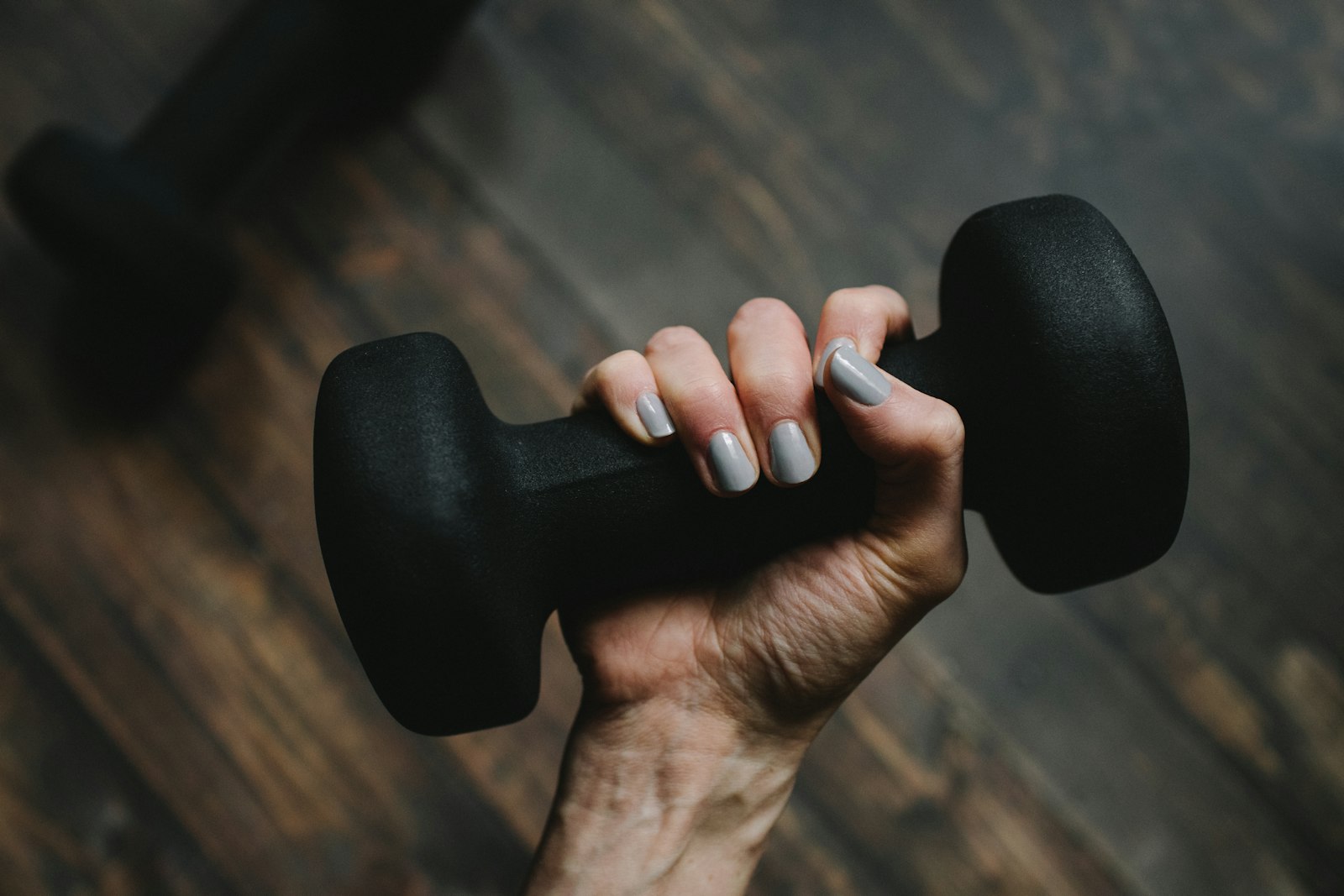
1. Lifting mattered on top of the treadmill
A prospective cohort study published in 2008 in the BMJ under the title Association between muscular strength and mortality in men studied 8,762 men between the ages of 20 and 80 over a mean of 18.9 years. Bench press and leg press strength, as well as fitness on a treadmill were all tested.
Men in the bottom third for muscular strength had a rate of mortality from any cause that was close to twice the rate of men in the top third for muscular strength. This held true after correcting for fitness on the treadmill (though that was an important predictor of mortality as well), weight, age, and smoking.
Many people over 50 walk on a regular basis but don’t strength train. Most recommendations for resistance training call for a frequency of 2 resistance training sessions a week.
2. More protein, not less
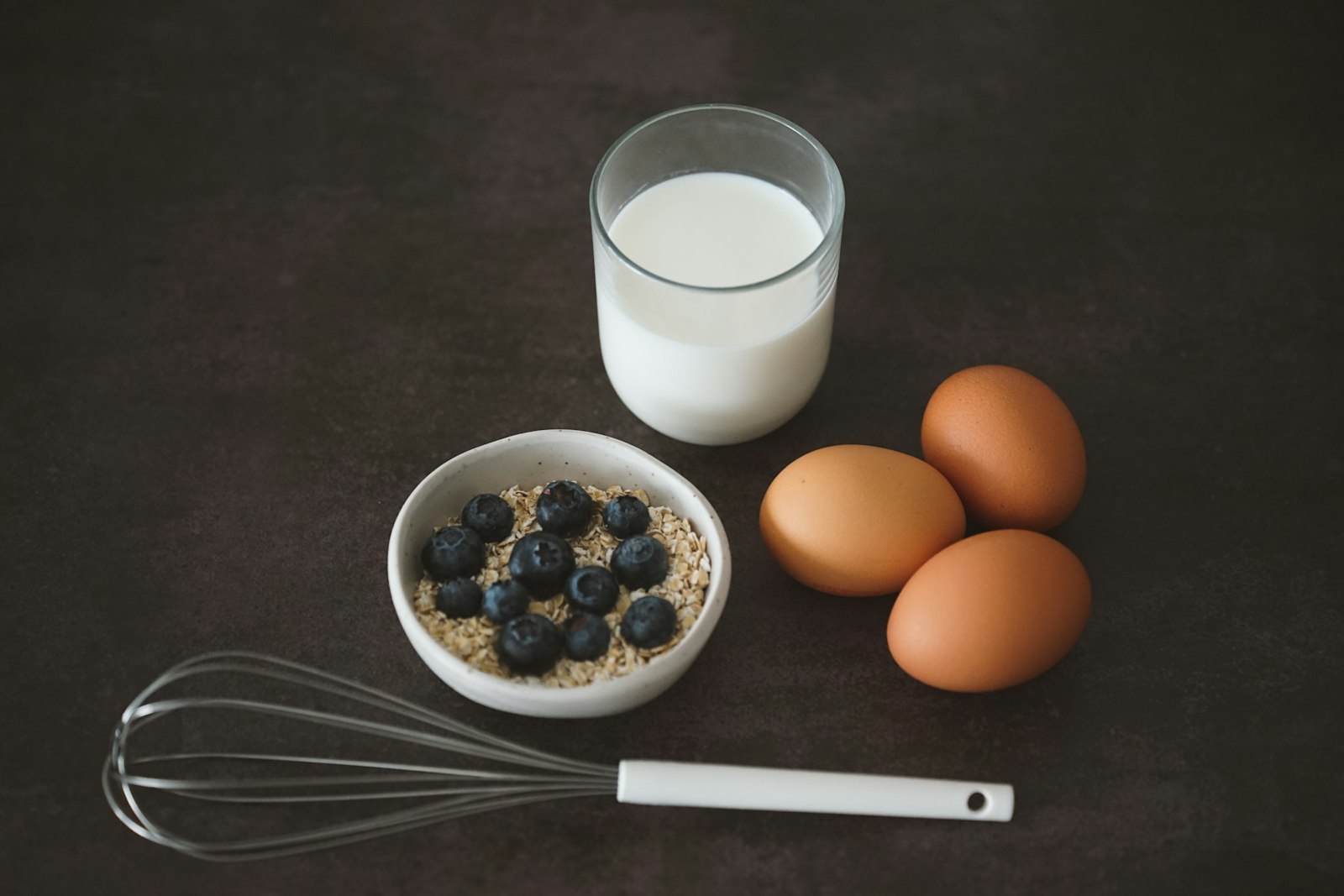
Contrary to popular belief, protein needs actually increase with age. Unfortunately, appetite tends to decrease, creating a shortfall in protein intake.
In 2013 an international group of experts (the PROT-AGE Study Group), convened by the European Union Geriatric Medicine Society, published a position paper (in the Journal of the American Medical Directors Association) recommending dietary protein intakes to preserve muscle mass in older adults.
On average, people over 65 should be getting 1.0-1.2 grams/kg body weight/day of protein, and 1.2 grams per kilogram or more if they exercise regularly. So, for example, if you are a woman who weighs 154 lb (70 kg), you need to get 70-84 grams of protein/day.
Unfortunately, conventional eating patterns don’t always meet those requirements, particularly at breakfast, where a cup of coffee and piece of toast offers little-to-no protein. Not only is daily intake important, but also is distribution of protein intake through the day. Getting at least 25 to 30 grams of protein at a meal optimizes the stimulus for muscle protein synthesis. It can also make it easier to reach daily protein requirements without overwhelming the system.
3. Your real cholesterol number was never on the panel
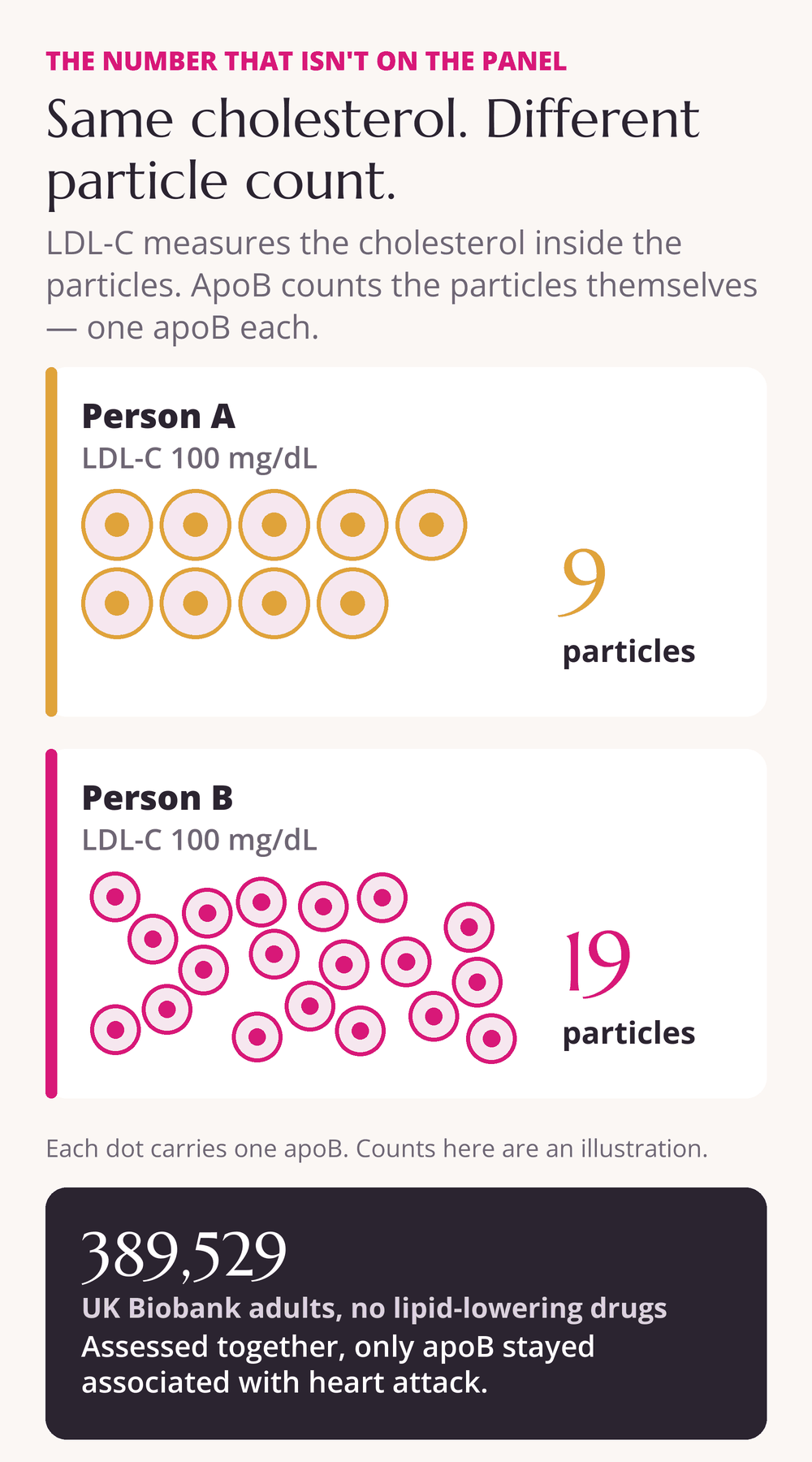
LDL cholesterol is included in a typical lipid profile. It measures the amount of cholesterol inside of LDL particles. LDL-C doesn’t count particles.
A better way to measure atherogenic particle number is a supplemental lab called apolipoprotein B, or ApoB. Each artery-clogging particle contains exactly 1 ApoB, so this gives you the total number of bad particles.
A large study published in JAMA Cardiology in 2022 looked at 389,529 people in the UK Biobank that weren’t taking lipid-lowering medications. When considered individually, all of the measured lipid markers were associated with MI (heart attack). But when considered together, only ApoB (particle number) maintained its association with MI. Knowing how much triglyceride or cholesterol was riding along in those particles offered no more information.
ApoB is readily available and low-cost. Most doctors will add ApoB to your lab tests if you ask for it. The test requires a simple blood sample (the same blood sample used for your typical panel).
Although more research needs to be done to identify an optimal target, an ApoB under 90 mg/dL is a common target for those without heart disease (even lower targets apply to those that do).
Discuss your target ApoB level with your doctor, and keep in mind that no number is a pass/fail marker, just another tool that can help you understand your risk for heart disease.
4. Six hours was not enough

A 2021 study published in Nature Communications followed 7,959 British civil servants for 25 years. Compared with the study’s 7-hour baseline, people who slept 6 hours or less at the age of 50 had a 22 percent higher dementia risk. At age 60, people who slept 6 hours or less had a 37 percent higher dementia risk. And short sleep at each of those ages (ages 50, 60 and 70) was associated with a 30 percent increased risk.
A 2011 meta-analysis from Warwick Medical School, published in the European Heart Journal, pooled 15 prospective studies covering 474,684 people. Short sleepers had a 48 percent greater risk of developing and dying from coronary heart disease compared to the study’s 7-hour baseline.
Neither of those studies found a link of cause and effect.
5. Loneliness was a medical risk
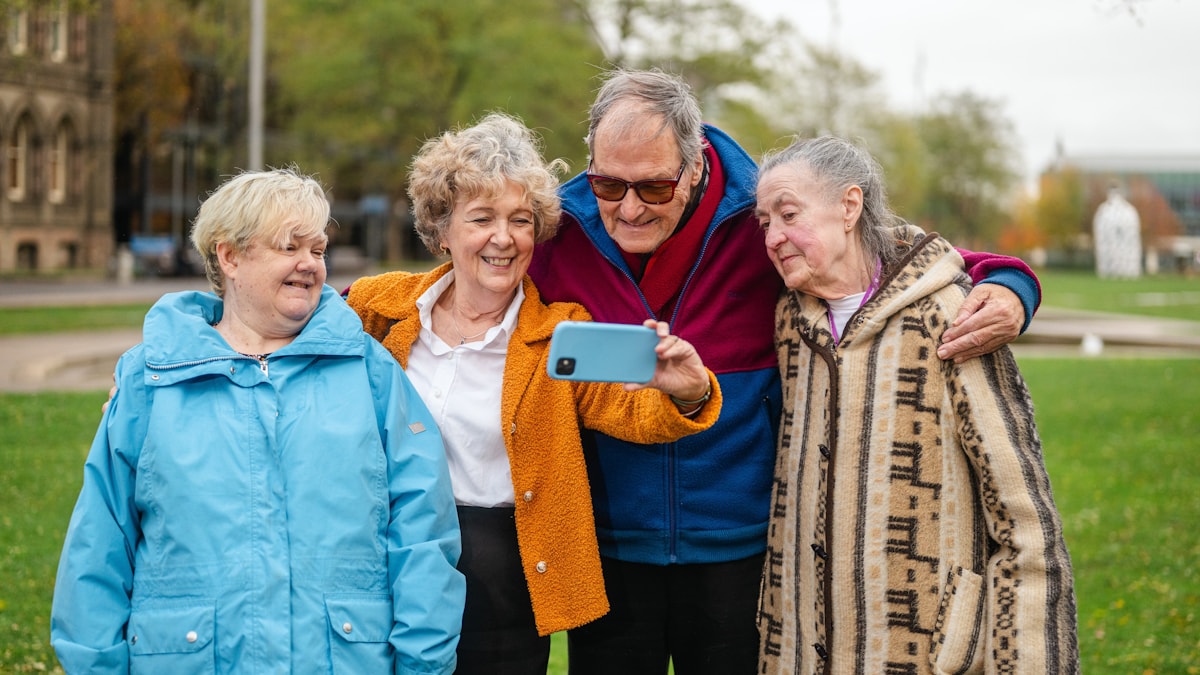
Loneliness is a significant health risk. In a meta-analysis titled Social Relationships and Mortality Risk, psychologists at Brigham Young University looked at effect sizes in a number of different studies and concluded that having good social relationships has the potential to improve your odds of surviving as much as not smoking. This does not imply the underlying mechanisms are alike, only that the magnitude of the effect is comparable.
Unfortunately, loneliness isn’t something that gets screened for during a check-up, so it’s up to you to assess your own level of risk. Consider making a commitment to see people on a regular basis. Sign up for a weekly walk-and-talk, a class of some kind or volunteering once a week. Frequency of social interaction matters more than the actual activities themselves.
6. The scale was the wrong number
BMI does not tell you about visceral fat, which is the type that builds up around internal organs. In 2012 a large meta-analysis (including data on more than 300,000 adults from a number of ethnic groups) led by Margaret Ashwell was published in the journal Obesity Reviews.
The study concluded that the ratio of waist-to-height was significantly better than BMI (which doesn’t differentiate between muscle and fat) and waist circumference for predicting risk of diabetes, high blood pressure and cardiovascular disease.
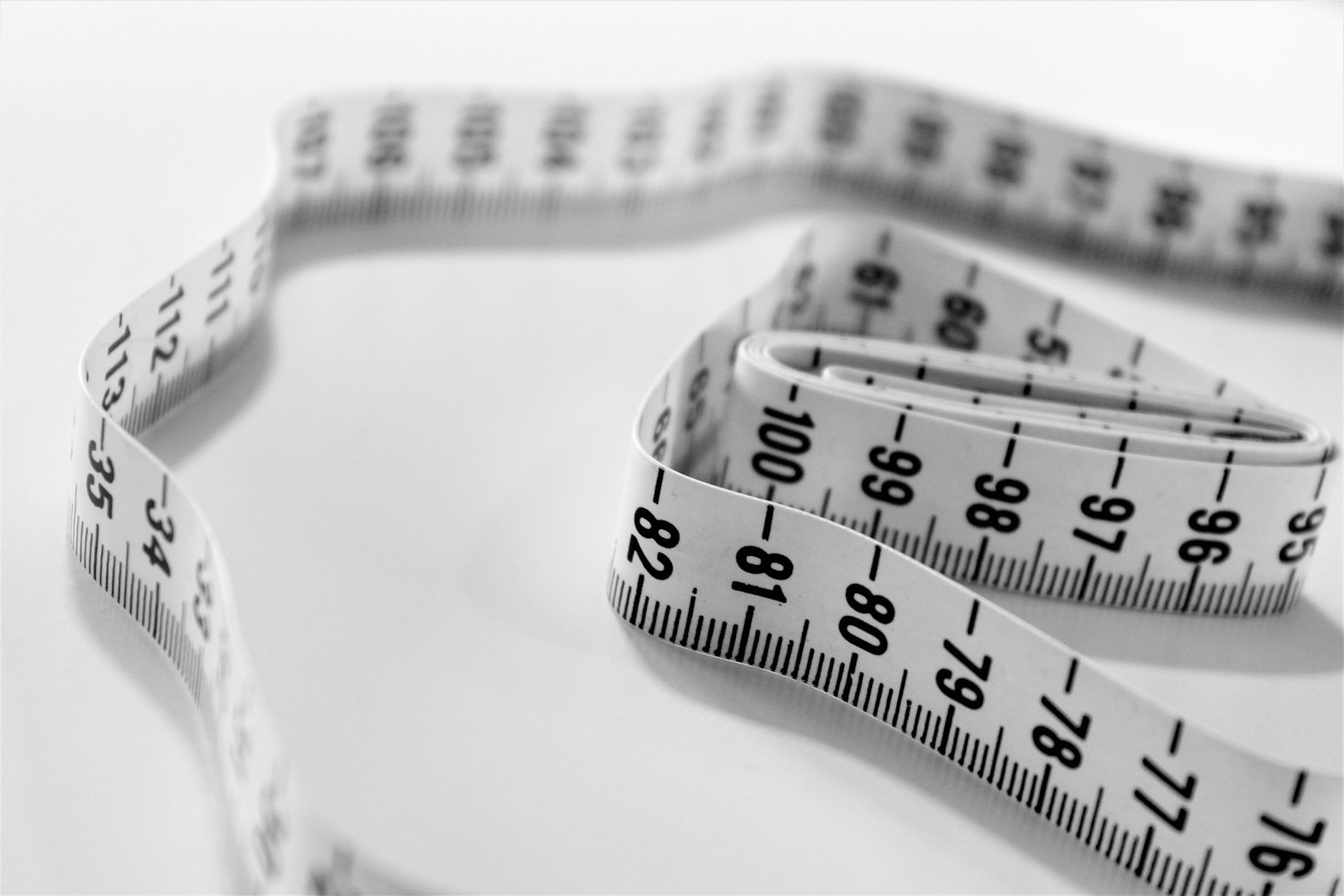
This is measured by taking your waist (around the navel, relaxed, at the end of a normal breath) and dividing it by your height. The cut-off for both sexes is 0.50, which is basically that your waist should be less than half your height. So, a woman who is 5 ft 5 in, or 165 cm, should have a waistline of less than 32.5 in, or 82 cm.
7. A hip fracture was the fall you could not afford
A hip fracture turns a fall into a loss of independence. Estimates used to put the number of people who die as a result at about 30 percent within 1 year.
A systematic review entitled Changing trends in the mortality rate at 1-year post hip fracture, published in 2019 in the World Journal of Orthopedics, found that recent data from 8 national registries across 36 countries suggests a somewhat lower figure.
It’s probably reasonable to go with about 1 in 5 within a year, but risk is sharply elevated for those over 85.
Falls are the opportunity for intervention. Fall risk is something you can test for at home. The 2 types of interventions with the best record for preventing falls are strength training and practicing balance.

The ten, at a glance
| # | The finding | The number to know | This week |
|---|---|---|---|
| 1 | Strength predicts survival on top of cardio fitness | Two lifting sessions a week | Book them like appointments |
| 2 | Protein needs rise with age | 1.0 to 1.2 g per kg of body weight daily | Put 25 to 30 g of protein at breakfast |
| 3 | ApoB is the better cholesterol number | Under 90 mg/dL is a common target; ask for yours | Request ApoB with your next blood draw |
| 4 | Six hours of sleep was not enough | Seven hours | Fix the wake-up time first |
| 5 | Loneliness is a mortality risk | 50 percent better odds of survival with strong ties | Make one standing weekly plan |
| 6 | Waist-to-height beats the scale | Waist under half your height | Measure once with a tape |
| 7 | A hip fracture is the fall you cannot afford | Roughly 1 in 5 die within a year | Test your balance and chair stands |
| 8 | Most of what looks like aging is not moving | Lifelong exercisers kept thigh muscle into their 80s | Do not stop; if stopped, restart |
| 9 | Grip beat blood pressure as a predictor | 16 percent higher mortality per 5 kg of grip lost | Carry heavy things |
| 10 | It was never too late | 174 percent stronger at 90, in 8 weeks | Start at whatever age you are |
8. Most of “aging” was just not moving
Muscle mass decreases at a rate of approximately 3 to 8% each decade after the age of 30 and the rate of decrease accelerates after age 60. It’s been thought that some of this decrease may be the result of disuse rather than unavoidable aging.
One study, Chronic Exercise Preserves Lean Muscle Mass in Masters Athletes, published in 2011 in The Physician and Sportsmedicine suggests as much.
Researchers at the University of Pittsburgh performed thigh scans on masters athletes (high-level, recreational competitors) ages 40-81 and found that total muscle area and lean muscle area at the level of the mid-thigh did not diminish with age in athletes who trained 4-5 times a week. Essentially, the 70-year old had the same amount of muscle in their thigh as the 40-year old.
Of course, this is a small, cross-sectional study that looked at highly-motivated individuals, but it does show what’s possible.
9. Grip beat blood pressure
The Prospective Urban Rural Epidemiology study (PURE), run by the Population Health Research Institute at McMaster University, looked at the impact of grip strength on mortality. Its results were published in 2015 in The Lancet. The study included 139,691 men and women from 17 countries with an age range of 35 to 70. Subjects were followed for a median of 4 years.
Each decrease in grip strength by 5 kg (11 lb) was associated with a 16 percent higher risk of all-cause death. Grip strength was a better predictor of cardiovascular and all-cause mortality than systolic blood pressure.
Grip strength has been described as the cheapest measure of total-body muscle strength, as it is a marker of muscular power more generally, not just in the hands. For example, being able to carry your own grocery bags, do farmer carries, or deadlifts would improve your grip.
In general, low muscle strength (as measured on a dynamometer) is defined in European guidelines as a value of less than 27 kg in men and 16 kg in women. If your grip is less than these values, it may be worthwhile to talk to your doctor.
10. It was never too late
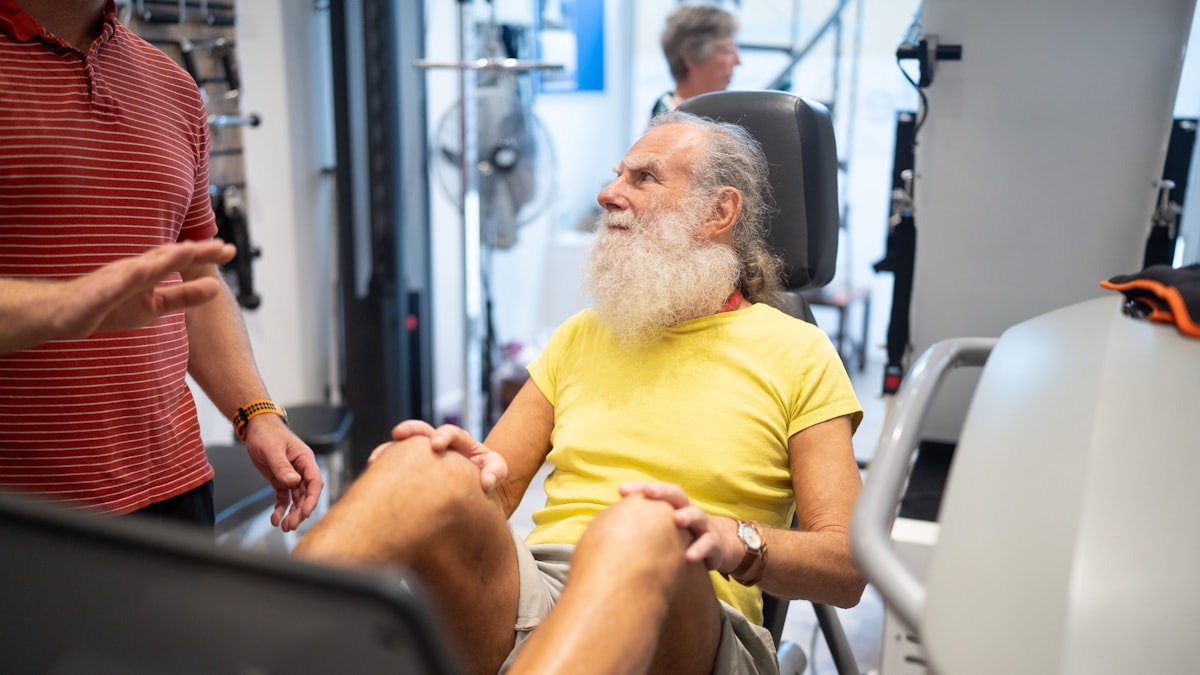
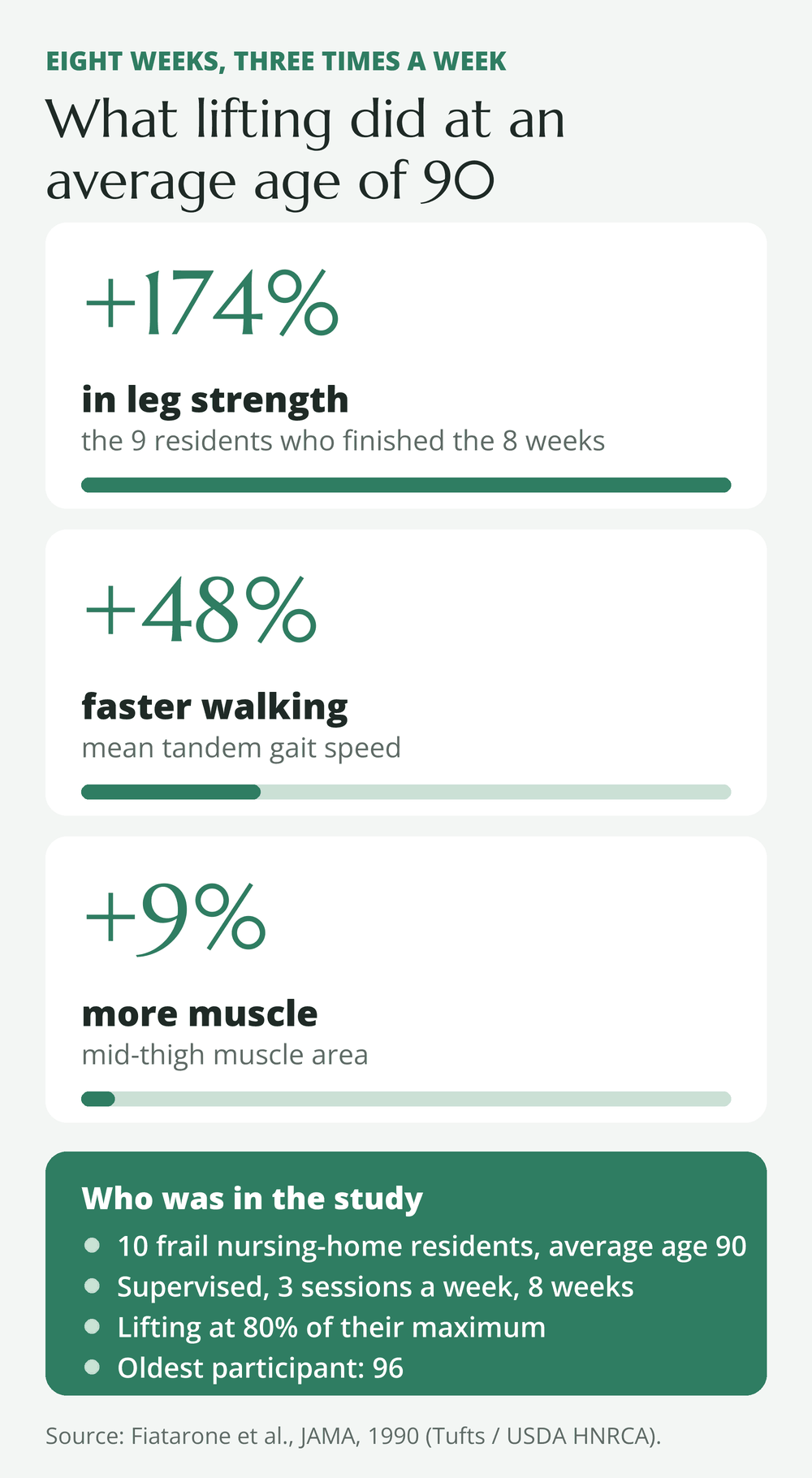
The most striking of these is High-Intensity Strength Training in Nonagenarians by researchers at the USDA Human Nutrition Research Center on Aging at Tufts University, published in the Journal of the American Medical Association back in 1990 (the paper has been cited thousands of times). Ten frail nursing home residents, 90 on average, participated. 8 had fallen within the past year, 7 used a cane, walker, or wheelchair.
The training ran 8 weeks, 3 times per week, supervised, at 80 percent of maximum. The 9 who finished showed a mean increase in strength of 174%. Mid-thigh muscle area increased by 9% and tandem gait test (heel-toe walking speed) increased 48%.
The point of this article is not that you should do this, it is that even at 90, muscle still responds to being used.
Where this list needs a caveat
The last thing to note is that most of the studies above are observational. Aside from strength (the 1990 Tufts study directly manipulated strength), they’re showing that there’s an association between X and Y, not necessarily that improving X will improve Y.
ApoB testing is still not routine in many doctors’ offices (this is a failure of the system, not a failure on your part for asking for ApoB testing). The waist and grip cutoffs are screening lines, not diagnoses.
If you already know that you have heart disease, have recently fallen, or have a chronic condition, talk to your doctor before acting on these numbers on your own. Otherwise, all of these tests are inexpensive to have checked.
Start before it’s necessary
There’s no way to change your birthday. Everything else can be changed. Strength, protein, ApoB, sleep, social connections, waist circumference, fall risk, physical activity, they’re all things that can be measured, and they’re all things that can be moved.
The two things that have the most influence look the least like healthcare. Lift a heavy weight twice a week, and see someone you care about at least once a week.
Starting the habit of lifting weights now, before it’s necessary, is the thing that has the most momentum behind it.