
What the World’s Longest-Living Women Actually Eat

There are five different parts of the world where we can find enough people and enough longevity to study, and researchers call them blue zones. They include the Nicoya Peninsula in Costa Rica, Okinawa (Japan), Ikaria (Greece), Loma Linda in California (U.S.) and Sardinia (Italy). Each area has older women who remain active into their 90s.
Researchers have asked similar diet questions about the women from each of these blue zone locations, yet what stands out to me is how ordinary these diets are. No woman on Ikaria puts collagen into her smoothie. So I examined the common foods documented in studies that researched the diets of people residing within blue zones, because it seems simpler to create meals around a smaller number of foods instead of adding supplements to your daily routine.
Beans almost every day
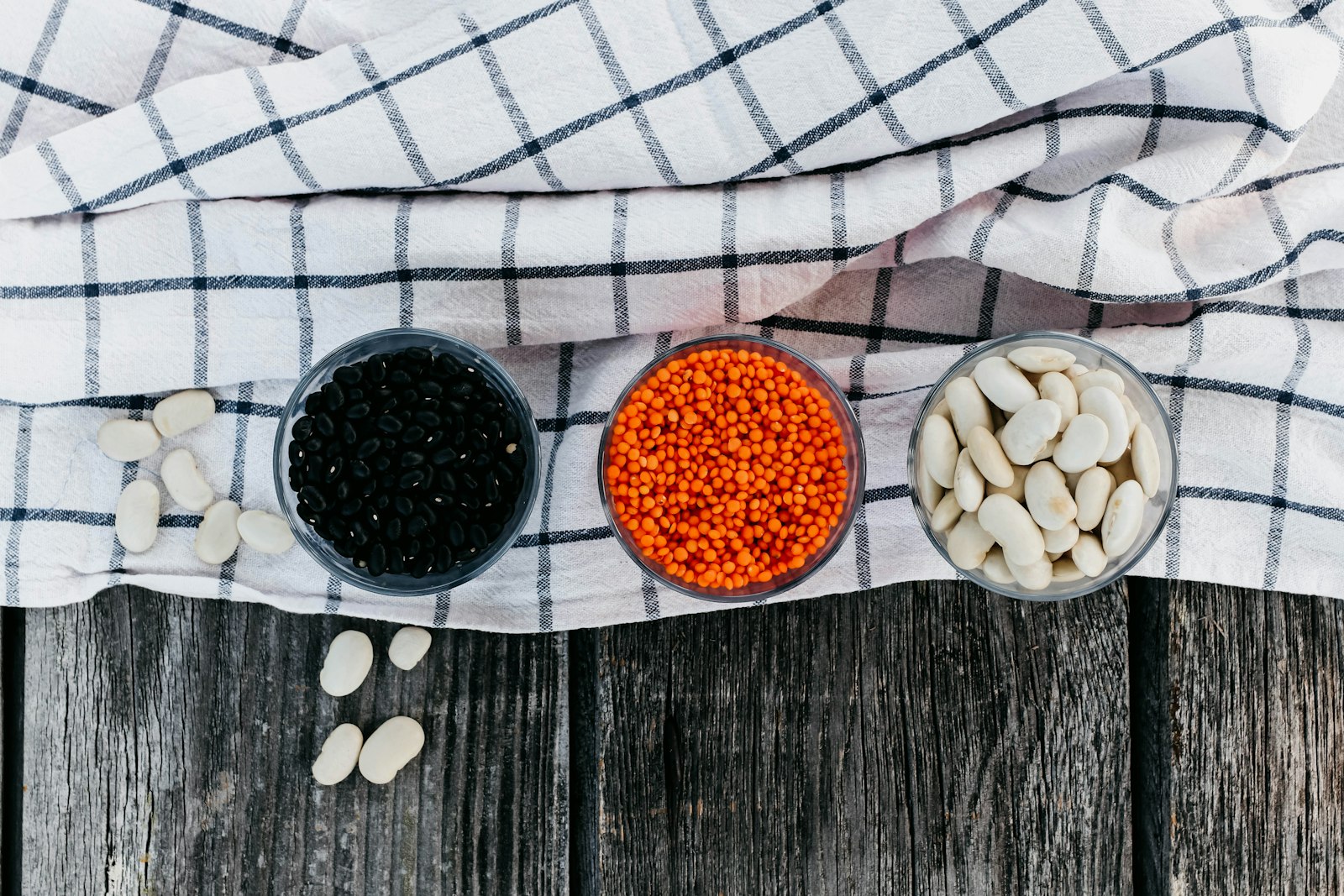
If there is one food that shows up consistently across all the blue zones, it is beans. Black beans on Nicoya, chickpeas, lentils and white beans on Sardinia and Ikaria and soybeans on Okinawa show up regularly throughout the day in virtually all locations studied, at least two or three times per day. For most Americans today this equates to one cup of legumes per day for sustained energy, fiber and protein at a relatively low price point.
When using legumes for meals begin with a half-cup serving size until your body adapts (digestive discomfort will decrease over time as your digestive system adjusts).
Meat is secondary
None of these geographic locations are completely vegetarian except for many of the Seventh Day Adventists located in Loma Linda, Calif., but all other geographic locations feature animal proteins as less prominent or occasional sources compared to plant-based ingredients like vegetables, fruits, sweet potatoes, grains, nuts, seeds and olive oil. Sweet potato consumption was especially prevalent among older adults on Okinawa Island, who historically consumed most of their calorie intake from sweet potatoes alone.
The message here isn’t necessarily that meat itself is unhealthy, but rather meat tends to be eaten more often than needed as part of an American meal plan.
Stop eating before you’re full
Residents of Okinawa have referred to stopping eating prior to being full as “hara hachi bu,” which roughly translates to “eating until you are 80% full.” It’s mentioned before meals much like some families mention a blessing before meals, and this principle seems successful due to the fact our stomach runs approximately twenty minutes behind our brains. By stating “I’m going to stop eating now,” you set yourself up for success since your belly doesn’t instantly send signals back to your brain indicating satiety.
What they drink
Beverage options consisted primarily of water, coffee, tea and red wine, which occasionally showed up socially during gatherings and meals. Herbal teas that residents living in Ikaria drank daily included wild herbs: rosemary, sage and mountain teas harvested from local hillsides. The absence includes diet soda and giant sugared coffee drinks, and if you desire one easy trade-off this week it would be that one.
Absent from their kitchens
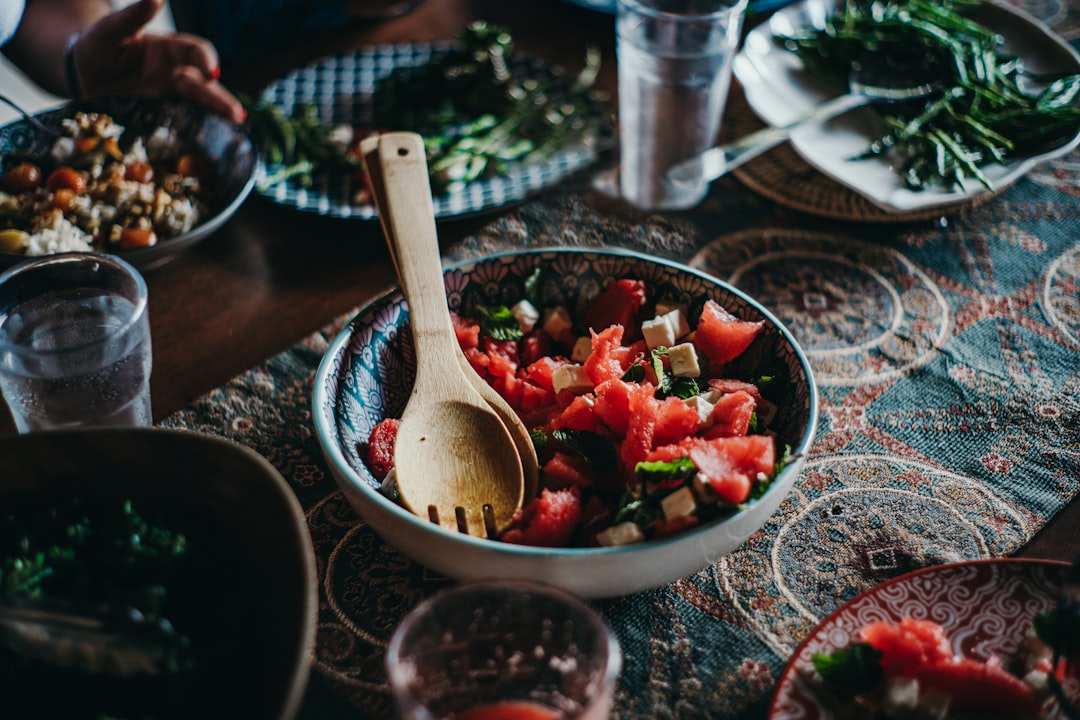
While removing highly-processed packaged goods and convenience foods wouldn’t single-handedly determine if someone lives past age 100, it likely contributes a great deal toward establishing the meal patterns demonstrated repeatedly throughout these regions, along with daily physical activity and close friendships kept up between neighbors, friends and loved ones for sixty years or longer. These women cook mostly from scratch, mostly the same handful of dishes their mothers cooked, and the processed stuff didn’t make it into rotation simply because their rotation was already filled.
Repetition beats variety
When reading articles regarding blue zones it may tempt some of us to believe sweet potatoes contain magic or superfood properties, however researchers continually report that no single ingredient explains longevity. Rather, longevity occurs due to a combination of consistent behaviors practiced daily: plant-based meals, reasonable portion sizes, home-cooked food, moderate physical activity, close friendships maintained for sixty years or longer.
The dull truth is it’s repeated behavior over many years, not any single food, and that’s actually good news for those beginning at fifty rather than five, because this pattern could easily be adopted by anyone wishing to start this week.
How to adopt it after 50
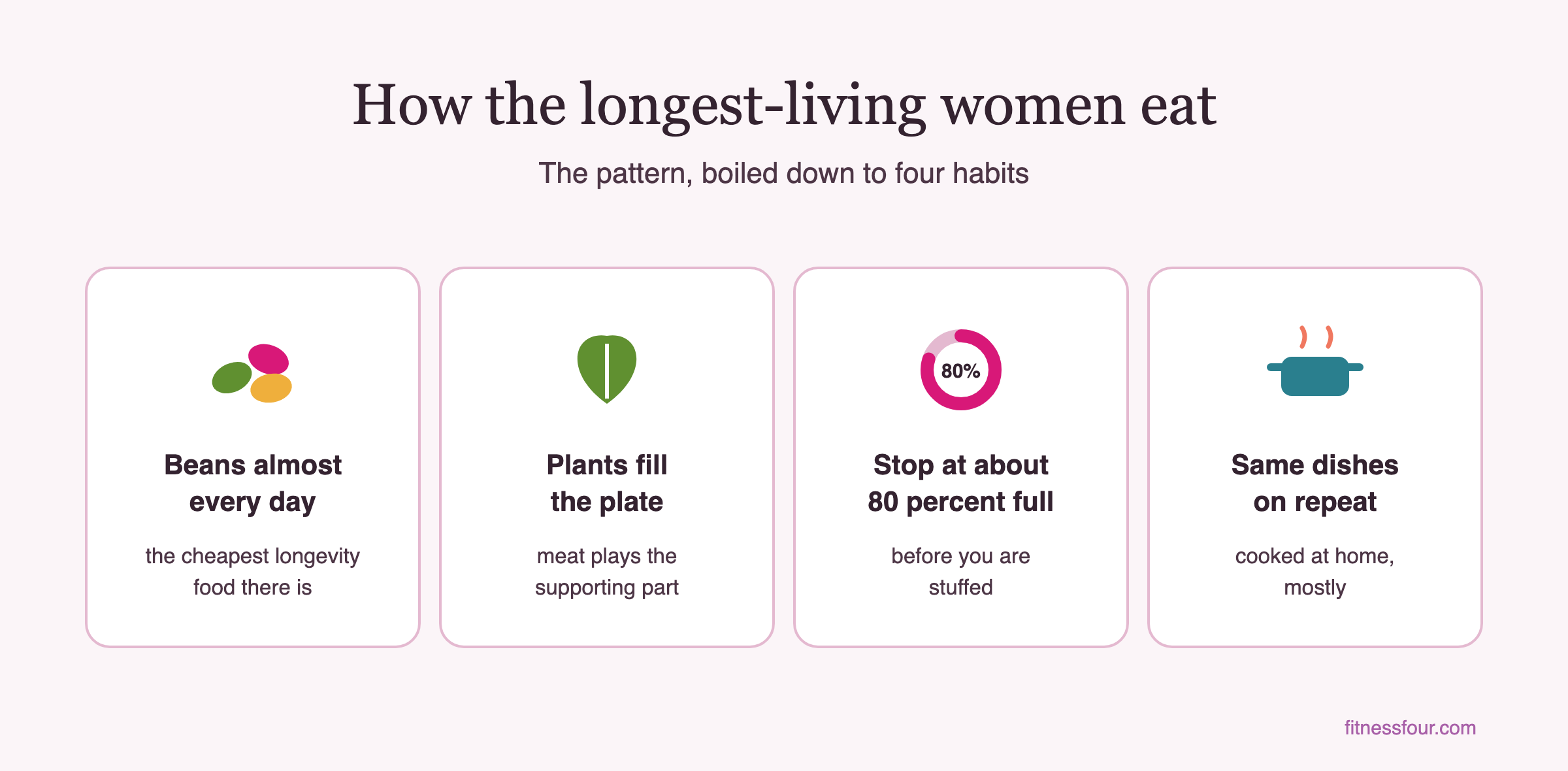
Begin with the beans, one cup a day in whichever form you’ll actually eat. Flip your plate so half of it is vegetables and meat becomes the side. Try saying hara hachi bu before dinner, even if you feel stupid, and stop eating at eighty percent. Replace one sugary drink with tea or coffee. Then choose three or four homemade dinner options that you genuinely enjoy and let them repeat, because the women of Okinawa and Ikaria are eating their greatest hits on a loop.
This doesn’t cost money, none of it requires a program, and all of it comes from the only eating pattern on earth with a century of proof behind it.