9 Daily Habits of Women Who Age Slower

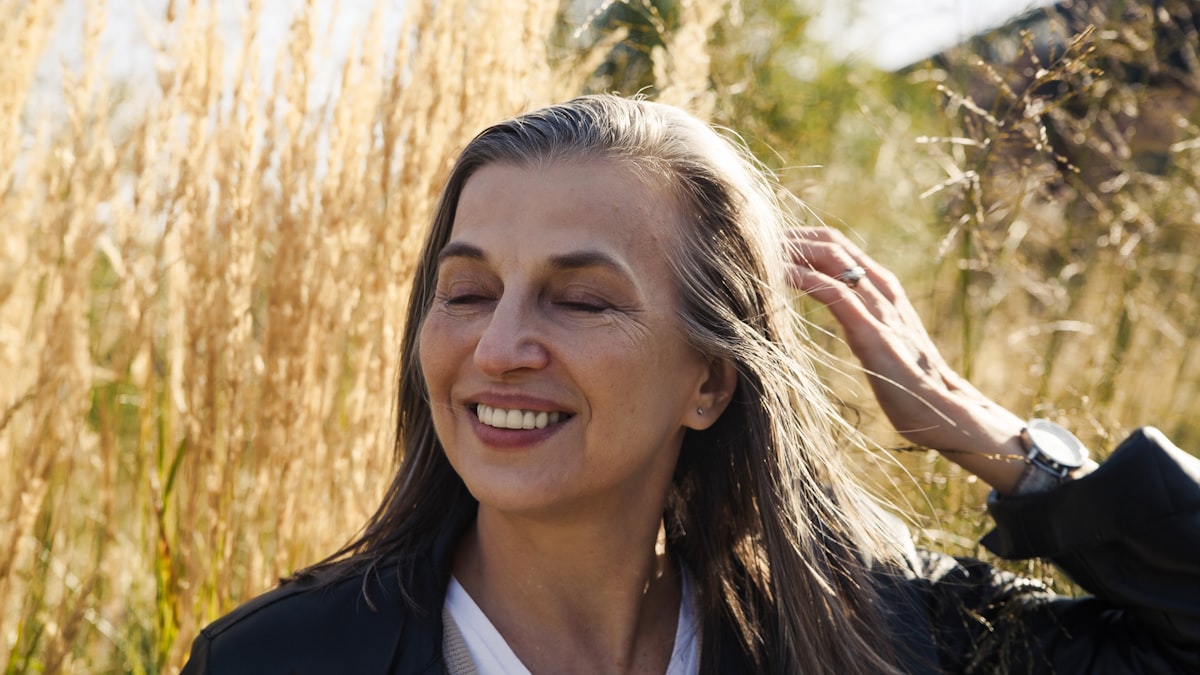
Most of us know at least one seventy-year-old woman who has the energy and agility of a forty-something, hauls her own garden mulch, recalls each birthday, and somehow keeps track of other people’s appointments too. For years “good genes” was the best explanation for this phenomenon; however, research indicates that genetics accounts for roughly 20 percent of how we age.
The balance is due to our everyday routines. Over and over again, researchers studying longevity in the world’s oldest-living communities find themselves focusing on the same limited number of daily habits, and almost all of them cost no money and require no gym membership.
So what do the women who age slower actually do? This, based on the research, as opposed to the beauty industry and its expensive products.
1. They move constantly throughout their days, not only when exercising
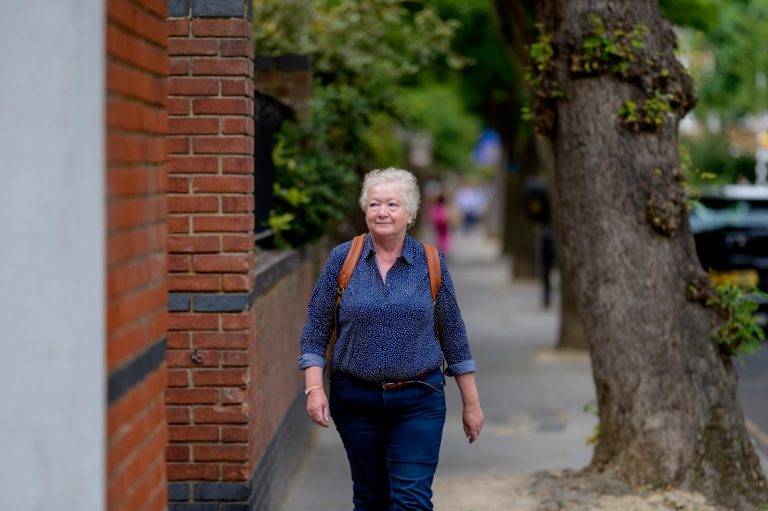
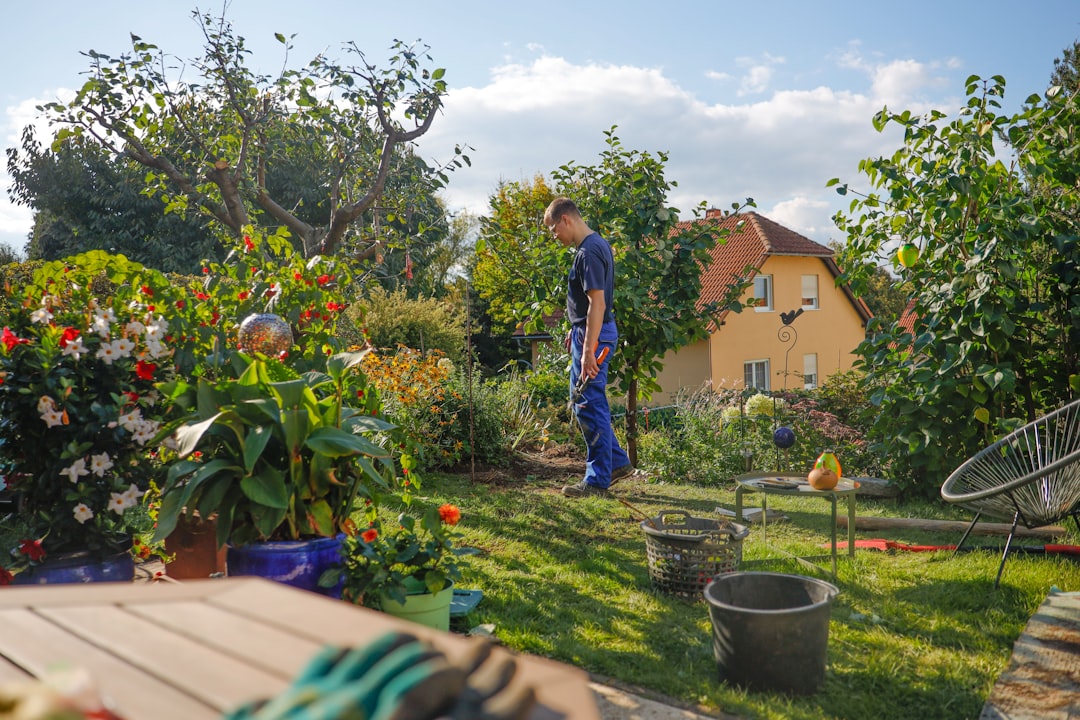
When studying longevity across populations worldwide, scientists were surprised to learn that the longest-living women almost never formally exercised; however, they also rarely remained inactive for extended periods. They tended gardens, walked while running errands, cooked standing up, and used the stairs. Scientists call this kind of movement NEAT, non-exercise activity thermogenesis, and it burns more calories across a person’s day than a single period of exercise combined with ten hours of sitting afterwards.
This isn’t suggesting you cancel your workouts. It is saying to stop using your workouts as an excuse to be inactive for the remainder of your day.
2. They eat protein like it’s required
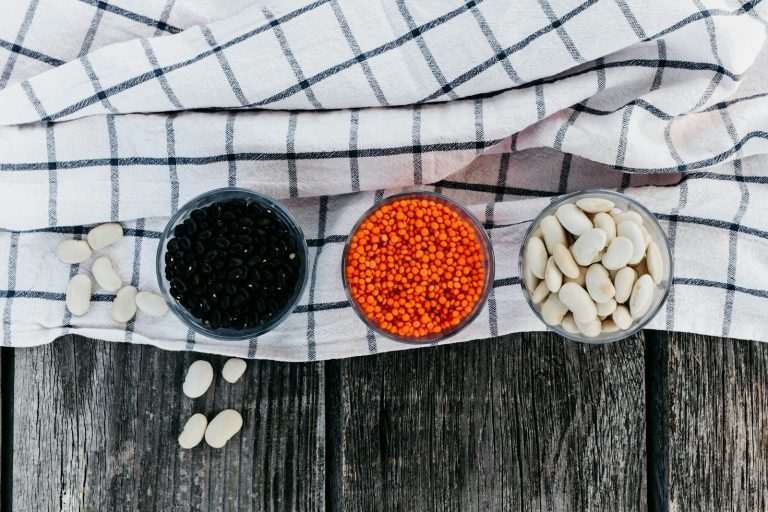
Muscle loss is considered the silent thief of independence among older adults, and the women who stay strong consume protein at almost every meal, not just dinner. We’ve written extensively about this, from smoothies to breakfasts, because achieving 25 to 30 grams per meal is arguably the single most useful eating change after 50. The women who live longer either learned this early or were raised in food cultures where protein at every meal was standard practice.
3. They lift heavy objects
In addition to moving throughout their day, there exists increasing evidence that women with stronger muscles in their sixties through eighties achieved that strength by placing resistance on their muscles, whether dumbbells, resistance bands, body weight, or years of carrying grandkids and firewood. The same work directly supports bone density, which is another large issue for us, because strong muscles and dense bones represent the difference between a trip and a hip fracture.
4. They sleep on schedules, not just enough
It may seem counterintuitive, but consistency matters as much as quantity when it comes to sleep. Sleeping consistently each night, same bedtime and same wake time, weekends included, provides more benefit than sleeping irregular amounts on random schedules. The women who age well are extremely consistent about it. Deep sleep is when the body’s repair mechanisms are active, and a body that knows when the repairs occur seems able to restore itself better.
5. Their relationships matter, and they show up for them
This finding surprises everyone, although it shouldn’t. Across all the long-lived communities researched, social connection creates health impacts comparable to quitting smoking. Loneliness produces increased inflammation and stress hormones, whereas connection reduces both. So the standing social commitments, whether it’s Thursday grandchildren day, the Tuesday coffee club, or the choir, count toward healthy behavior equally as much as all the vegetables consumed do.
6. They have a reason behind waking up
Having purpose seems abstract until viewed through the scientific lens, which shows that having a reason why you wake up each morning directly correlates with lifespan. The Okinawans, home to some of the longest-lived women on earth, describe it as ikigai, and it doesn’t have to be some grandiose idea, although it certainly can be. Perhaps it’s simply tending your garden, the grandchildren, volunteering, or traditional family recipes being passed down. Retirement from work is fine. Retirement from contributing something meaningful isn’t.
7. They protect their skin from sunlight, and did so early
Dermatologists attribute the majority of noticeable facial aging to sun exposure rather than chronological time alone, and the women appearing roughly ten years younger than their peers at seventy are largely those who protected themselves via sunscreen, hats and shade for virtually their whole lifetimes. And if you’re only beginning to protect yourself now, the good news still applies, since sun damage builds gradually over time, and your skin tries repairing itself once damage stops being added.
8. They manage stress through rituals, not plans to relax someday
Chronic stress accelerates aging processes throughout every system in the human body, and instead of avoiding stress entirely or attempting relaxation techniques later (tomorrow afternoon, or maybe next week), the women with longer lives process stress via daily rituals: praying, gardening, walking after dinner, twenty minutes quietly with tea, knitting, a true hobby versus screen time. The specifics of the ritual aren’t what’s important. The consistency is. Relaxation isn’t an award for finishing your tasks, it’s routine maintenance, like flossing for your nervous system.
9. They keep intentionally learning
Sharp minds come from continuously getting challenged: learning new languages, cooking new recipes, taking new routes, bridge, mahjong, the musical instrument abandoned fifty years ago. Novelty and challenge create cognitive reserve, the protective buffer that stands between sharpness and losing mental acuity. Curiosity, in the women who age slower, looks like a personality trait and acts like medicine.
Recognizing what isn’t included here
Nothing listed above requires wealth, superhuman determination, or high-cost products. These aren’t achievements, they’re rhythms, and almost all of them compound, meaning beginning sooner adds larger rewards, while beginning later, at 55 or 65 or 75, still pays off greatly. Choose the first habit missing from your daily routine and establish it consistently before adding another one. The women who age slower didn’t do everything at once. They completed a few good habits consistently until those habits gave them the advantage of additional years.