9 Signs Your Hormones Are Changing Your Waistline


It can be frustrating to watch your waistline grow when you know you’re doing everything right to keep your weight at a level you feel comfortable and healthy in. But when your diet or exercise levels haven’t changed, and your jeans start fitting a bit tighter than usual, it may be something a little more invisible: your hormones.
What hormones are involved? A few different ones, actually, so if you want to know if your weight gain has little to do with what you’re doing and more to do with your physiology, these 9 signs can help you determine if you need to see a doctor.
Why do hormones affect your midsection?
Hormonal belly, or weight gain in the midsection due to hormones, can happen for a variety of reasons. The most notable is estrogen loss as women age. When estrogen is balanced, the body tends to gain weight more evenly, and it is more likely to be subcutaneous fat, which sits under the skin.
However, as estrogen stores deplete, the body is no longer protected in the same way against storing visceral fat, the kind found around internal organs in the midsection and belly area. Because of this, any and all weight gain you’d notice in your younger years going to your thighs, hips, or arms is now primarily sticking to your abdomen instead. Essentially, you start storing fat as men do because of the lack of female hormones in your system.
Other hormones that can also play a role in midsection weight gain include cortisol, androgens, thyroid hormones and insulin.
1. All New Weight Gain Goes to Your Stomach
When you’re dealing with estrogen-driven hormonal weight gain, you’ll likely notice that every single pound you gain goes straight to your midsection. Your arms, thighs, buttocks, and hips may change slightly with the weight gain, but it will be most noticeable on your stomach. While other hormones may play a role, low estrogen is commonly documented as a primary driver of midsection weight gain.
For example, if you have hypothyroidism and your body isn’t producing enough of the thyroid hormone to keep things balanced, you may also notice more visceral fat around your midsection than you would if you could attribute the weight gain to diet or exercise changes.
2. A New 3 pm Crash

Two hormones could be causing your waistline to grow if you experience a 3 pm crash: cortisol and insulin. Cortisol rises and dips throughout the day and night as part of your circadian rhythm, helping you sleep and wake. However, if your cortisol levels are consistently high, what should be gradual rises and falls turn into sharp plummets, especially in the afternoon.
When cortisol isn’t in balance, it can lead to fat redistribution, especially in the midsection because visceral fat cells contain more cortisol receptors than fat elsewhere on the body. The more cortisol in the body, the more reactive those receptors are, and in turn, the more body fat you store in that area.
Insulin is responsible for balancing blood sugar and moving glucose out of the blood into cells to give you energy. If you eat foods that cause high blood sugar spikes, especially earlier in the day, by 3 pm that spike will dip just as sharply, leading to low blood sugar and, thus, low energy. This relates to belly fat because if you consistently have these stark highs and lows, your body becomes more resistant to insulin, so it needs more to achieve the same blood-sugar-balancing effect. Insulin resistance is directly related to abdominal fat gain.
3. Waking at 3 am Every Night

If you wake up at 3 am every night like your body’s set some internal alarm, it might be because it has via high cortisol. Cortisol is typically lowest throughout the night, dropping to its baseline around midnight and slowly climbing from there.
When your hormone is out of whack, which can happen due to stress, eating too close to bedtime, or even having alcohol before bed, the slow surge that’s supposed to wake you up in the morning happens rapidly in the middle of the night. Having high cortisol that wakes you up at night can, by itself, cause weight gain around the midsection. However, it can also trigger insulin resistance, which, as mentioned above, contributes to belly fat accumulation, so this sign also signals that two hormones aren’t at the right levels at the right times.
4. New Cravings
Have you noticed that you are craving things you normally wouldn’t? For example, you may be a salty snack kind of person, but your body seems to be pushing you to reach for sweets. This could be a sign that cortisol and ghrelin are out of balance. In the case of cortisol and belly fat, we’ve already discussed that. Ghrelin and progesterone, however, are a different, equally important part of the story.
Ghrelin is the hunger hormone designed to stimulate appetite and tell your body when it’s time to eat. When there is too much ghrelin, which can be caused by various factors such as medical conditions, sleep deprivation, or high stress, you will start to experience more cravings than you ever had before. The issue with weight gain is that when high levels of ghrelin are responsible for cravings, it can also be behind the body’s visceral fat storage.
5. Dark, Velvety Skin Patches or New Skin Tags
If you’ve been noticing patches of skin around your neck becoming darker and thicker, perhaps with a velvety texture, this could be the result of a condition called acanthosis nigricans. Areas that can be impacted include the skin folds of the body, like the back and sides of the neck, armpits and groin. Skin tags may also result from this condition.
Acanthosis nigricans is the result of high levels of insulin in your body. When the body becomes resistant to the effects of insulin, the pancreas overproduces insulin in an effort to make up for this. These elevated levels of insulin stimulate the growth of skin cells. High levels of insulin also increase fat storage around the organs. Darkened areas of skin and skin tags may be hormonal clues that your body is having difficulty regulating blood sugar levels, and this won’t go away in the shower.
6. Your Hair is Thinning
Several hormones play a role in hair health, and if you start to notice your hair thinning or more hair loss, it could be a sign that you’re experiencing high levels of androgens (male hormones), low levels of estrogen and progesterone during perimenopause or after menopause, as well as issues with cortisol.
Combined with belly fat accumulation, this is likely due to one or more of the hormones above being imbalanced. For example, cortisol can disrupt normal hair growth cycles while simultaneously causing belly fat storage, and a loss of estrogen does the same.
High levels of androgens, which are often found in women living with polyendocrine metabolic ovarian syndrome (PMOS, formerly PCOS), directly influence hair growth, leading to patterned hair loss as well. These hormones also influence how the body stores fat by tricking it into storing fat in a male-pattern way.
7. Hot Flashes or Night Sweats Alongside the New Belly
If your clothes have been feeling snugger around the middle, it’s possible that you’ve been storing more visceral fat, which is fat deep inside the belly, surrounding the organs, and is a type of fat that’s associated with an increased risk for health problems. If you’re also experiencing hot flashes, the two are probably connected.
Researchers have found that as estrogen levels decrease during the menopause transition, fat redistributes to the midsection, resulting in an increase in visceral fat storage in some women, even if they’re not gaining on the scale. Other research shows that women with more fat around the middle experience more hot flashes. It’s possible that fat and hot flashes influence each other because declining estrogen leads to fat gain in the belly, which in turn may increase the number of hot flashes.
8. New Muscle Loss
Hormones that play a role in muscle loss and midsection weight gain work through different mechanisms. High levels of cortisol, for example, can accelerate muscle breakdown so the body can use it for energy, while also making it harder to build new muscle.
On the other hand, drops in estrogen lead to muscle loss because the hormone protects against it. When both happen at the same time, you have high cortisol and low estrogen; it creates the perfect storm for muscle loss and midsection fat accumulation.
9. Mood Shifts
Your mood is directly influenced by many of the body’s hormones, a lot of which can also influence the size of your waistline. In the case of cortisol, which can directly influence fat storage around the midsection, research shows that chronic high levels are heavily associated with increased risk of depression, anxiety, and other psychiatric disorders. The hormone can also influence emotional stability, which affects how people regulate their emotions.
Estrogen is another culprit behind mood changes, especially during perimenopause and menopause. Because of how the hormone helps to modulate processes in the brain, emotional regulation becomes more difficult, stress levels rise, and risks of depression and anxiety increase when estrogen becomes low.
High levels of insulin, or insulin resistance, can also be a driver of depression and fat accumulation around the midsection, along with low levels of thyroid hormones.
What to Get Tested
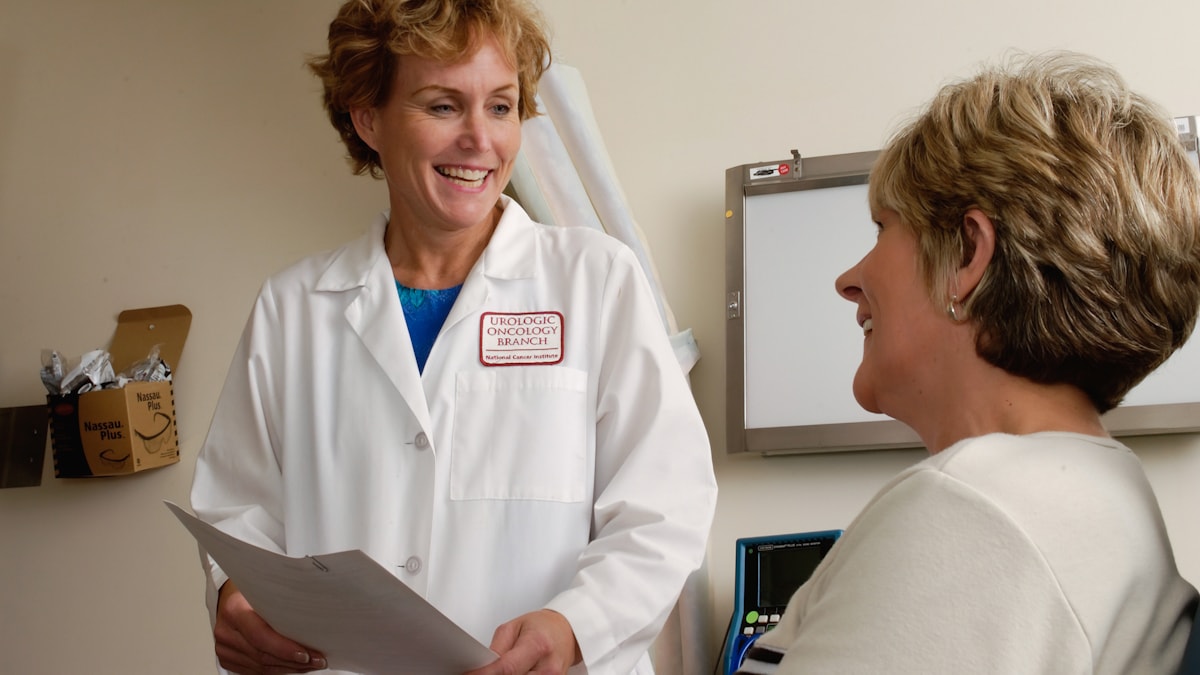
There are several tests you can get to check where your hormones are and whether they may be behind the new accumulation of fat around your waistline. They include:
- Insulin tests: Fasting insulin and hemoglobin A1c tests measure your baseline insulin (fasting) and your average blood sugar levels over a few months. They can help determine whether you have insulin resistance or high blood sugar levels.
- Adrenal tests: You’ll also want to check your cortisol levels to see whether they’re consistently higher than they should be. This test is typically reserved for when certain health conditions are suspected, but you can request it. DHEA-S, or dehydroepiandrosterone sulphate, tests look at the level of androgens in your body to determine if it’s balanced or needs to be looked at.
- Sex hormones: Sex hormones that can lead to the accumulation of belly fat should also be tested. These include estrogen and progesterone.
- Thyroid/metabolic: If you’re accumulating belly fat, your thyroid-stimulating hormone levels should be investigated as well.
Things That Can Help Even If Hormones Are To Blame

While you’re waiting to see what hormones are contributing to midsection weight gain, you can address it by participating in other healthy lifestyle habits. These include:
- Eating a diet of whole foods with lots of lean proteins, vegetables, fruit, and whole grains that are high in fiber
- Resistance training to help maintain as much muscle mass as possible
- Trying to reduce stress levels as much as possible
When to See a Doctor
You should call your doctor if you experience any or all signs on this list, along with an accumulation of belly fat. Since visceral fat is the most dangerous and can increase your risk of various chronic diseases, getting to the bottom of why you’re experiencing any of these symptoms promptly is the best way to have them addressed just as fast.
Because visceral fat is dangerous, it’s not about vanity or body confidence. It’s about your overall health for years to come.