If You Can Master These 5 Standing Exercises at 65, You’re Fitter Than Most 50-Year-Olds

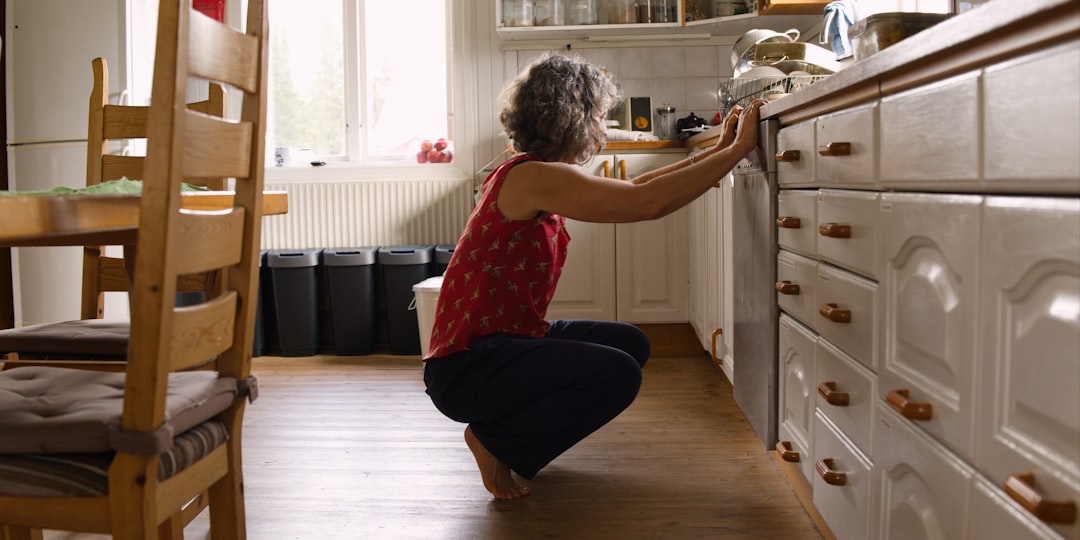
I spend a lot of time telling people that fitness after 50 doesn’t have to look like fitness at 30, and I stand by every word of it, but every once in a while it’s fun to flip the question around. Instead of asking what’s a reasonable workout for your age, let’s ask what your body can actually do right now, today, in your kitchen, with no equipment and nothing to buy. Because there’s a handful of simple standing tests that researchers keep coming back to when they want to know how someone is really aging, and the interesting part is that plenty of 50-year-olds can’t pass them.
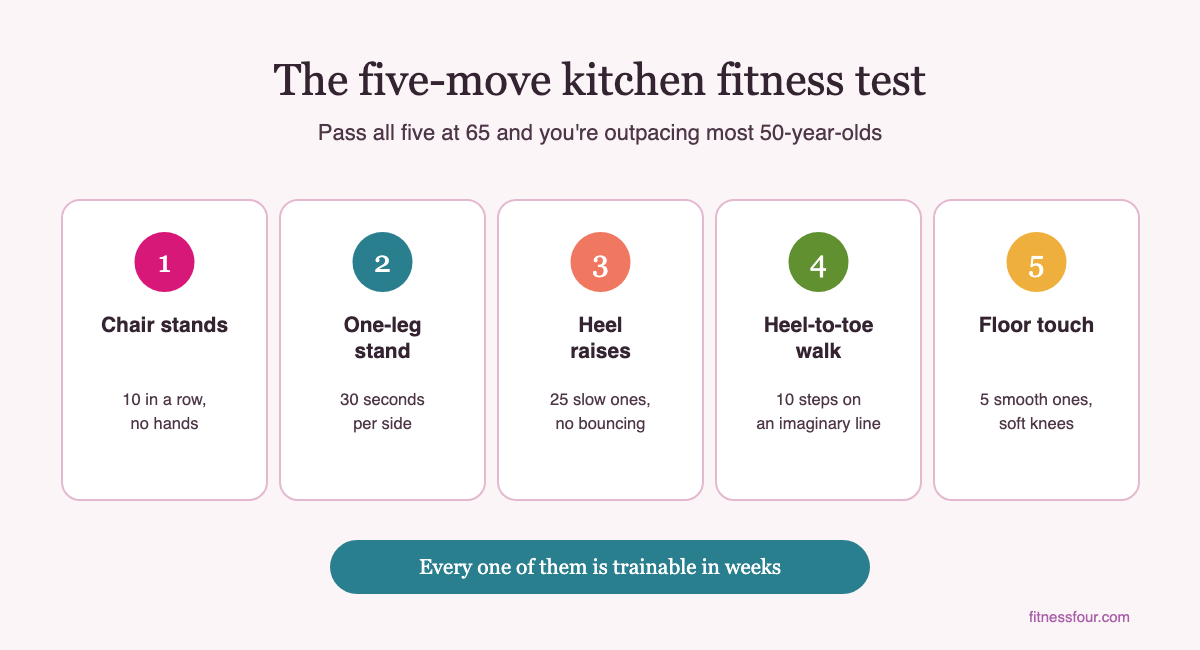
So that’s the game today. Five standing exercises, each one doubling as a fitness test, and if you can do all five at 65, you’re in better shape than a whole lot of women a decade or more younger than you. And if you can’t do all five yet, even better, because every single one of them is trainable, and I’ll tell you exactly how to build up to each.
One housekeeping note before we start, and you know I always say this: do these near a counter or the back of a sturdy chair the first time through. Not because I think you’ll fall, but because knowing you can catch yourself is what lets you actually try, and a test you’re too nervous to attempt tells you nothing.
1. Stand up from a chair ten times, no hands
Sit in a firm chair, cross your arms over your chest, and stand all the way up, then sit all the way back down, ten times in a row without using your hands. If you want the full test version, time yourself, because researchers use a 30-second version of this to measure leg strength in older adults, and for women in their 60s, getting to a dozen or more in half a minute is a solid score.
This one earns its spot at the top because it measures the exact strength you use most, which is getting your own body up off of things. Chairs, car seats, the toilet, the sofa that swallows you. Your thighs and your backside are the biggest muscles you own, and they’re also the ones that fade quietest when we stop asking anything of them.
If ten is out of reach right now, start from a higher chair, or use your fingertips on your thighs for a little push, and do five. Add one each week. This is also, not coincidentally, the exact exercise I tell everyone to build their strength habit around, because the chair is right there in your kitchen and it doesn’t require workout clothes.
2. Balance on one leg for 30 seconds
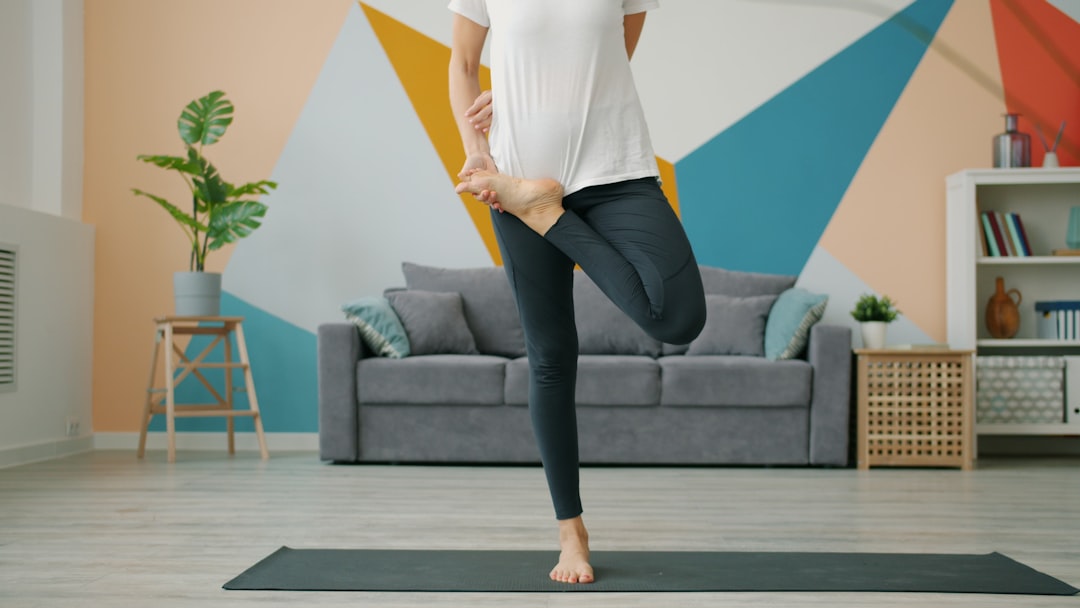
Stand tall, hands on your hips or out to the sides, and lift one foot a few inches off the floor. Eyes open, no leaning on anything, and hold it. Thirty seconds per side is the goal here, and before you tell me that sounds easy, go try it, because most people are surprised by at least one of their legs.
The research on this one got a lot of attention a few years ago, when a study of adults between 51 and 75 found that the people who couldn’t hold a one-leg stand for even ten seconds had an 84 percent higher risk of dying over the following years than the people who could, and the bar was only ten seconds, which about one in five of the adults tested couldn’t clear. Balance turns out to be a report card on your muscles, your joints, your inner ear, and your nervous system, all graded at once.
The lovely thing about balance is how fast it comes back when you practice, and I mean weeks, not years. Stand on one foot while you brush your teeth, one leg per session, and hold the counter with one finger until you don’t need to. Most women feel a real difference within a month, which is a better return than almost anything else in fitness.
3. Do 25 slow heel raises
Stand with your feet hip width apart, fingertips resting on the counter, and rise up onto the balls of your feet, then lower back down with control, taking a full two counts up and two counts down. Twenty-five slow ones, no bouncing, and your calves should be talking to you by the end but not screaming.
Calves are the forgotten muscle of aging well, and I’d love to change that, because they do two jobs that matter more every year. They push you up hills and stairs, and they act as a second heart, squeezing blood from your lower legs back up toward the top of you every time they contract. Weak calves show up later as tired heavy legs, swollen ankles by evening, and a shuffling sort of walk, and none of that is inevitable.
If 25 is a lot, do what you can with both feet, and when that gets comfortable, start sneaking them in while the coffee brews. The counter is right there. When 25 gets easy, do them one leg at a time, which roughly doubles the work without adding a single minute.
4. Walk heel-to-toe for ten steps
Imagine a straight line on the floor, or use the edge of a rug, and walk along it placing the heel of one foot directly against the toes of the other, ten steps, arms wherever they help you. Smooth and steady counts as passing. Wobbling, stepping off the line, or needing the wall does not, though it does tell you something useful.
This is called tandem walking, and clinicians use it because it’s balance in motion, which is a different skill than standing still on one leg. Real life almost never asks you to balance in place, but it constantly asks you to stay steady while moving, on curbs, on stairs, on the uneven brick of somebody’s charming patio. The narrow base takes away your usual side-to-side insurance and makes your hips and ankles do the adjusting, and those small adjusting muscles are exactly the ones that catch you when you trip.
To practice, do the same walk along your hallway once a day, fingertips grazing the wall, and then gradually stop touching the wall. Then try it carrying a cup of water, because life rarely lets you concentrate on just the walking.
5. Touch the floor with soft knees, then stand back up
Stand with your feet about hip width apart, bend your knees a little, push your hips back, and reach down to touch the floor, or your shins if that’s today’s floor, then come all the way back up to standing without grabbing anything. Five smooth ones in a row.
This one is a hinge, which is the movement pattern behind picking up laundry, groceries, grandchildren, and everything else that lives below waist height, and it tests three things at once: the flexibility of your hamstrings, the strength of your hips, and whether your balance holds while your head changes altitude. That last one matters more than people think, because a lot of the dizziness women report when bending over is just a system that’s out of practice at going down and coming back up.
Go slower than feels necessary at first, and let your knees bend generously, because this isn’t a toe-touch contest from gym class. If your hands only reach your knees this week, fine, that’s your starting line. The floor isn’t going anywhere.
What your score actually means
If you cruised through all five, your legs, balance, and mobility are performing above the level of a typical woman in her early 50s, and I’d tell you to keep doing exactly what you’re doing, plus maybe find the next thing that scares you a little. If you passed three or four, you’re in good shape with a clear assignment, because whichever ones you missed are a map of what to work on, drawn specifically for you.
And if you missed most of them, I want you to hear this the way I mean it: you just got the most useful piece of fitness information you’ve had in years, for free, in your kitchen. Every one of these five responds to practice within weeks, even in your 70s and 80s, and the studies on that are some of the most cheerful reading in all of aging research. Pick the one that felt shakiest, practice it a few minutes a day while the kettle heats, and retest yourself in a month.
The best workout is still the one you’ll be doing next year, and the nice thing about these five is that they don’t need a gym, a membership, or a single piece of equipment. Just you, a chair, a counter, and the honest report your own body gives you when you ask it a clear question.