7 High-Protein Breakfasts That Aren’t Eggs

One of the downsides to the high protein craze is that the answer to almost every breakfast becomes…eggs. You need more protein? Add an egg to your bagel? You need more protein? Toss an egg in your oatmeal (OK, we made that one up.)
But it’s not far off! The answer to adding protein is always eggs. And while eggs are fantastic and can be cooked quite a few different ways, they can get old. There’s only so many omelets and over easies you can have before you’re ready to never see a shell again.
The other problem is that three eggs only provide 18 grams of protein. Which isn’t enough to knock out most of your protein in a day if you want to retain as much muscle mass as you can as you age.
So for those of you tired of scrambles, we put together seven different breakfasts that will give you 25-30 grams of protein and guess what? None of them have eggs! It’s truly a miracle.
The better part, many of them can be made in minutes. Or prepared ahead of time.
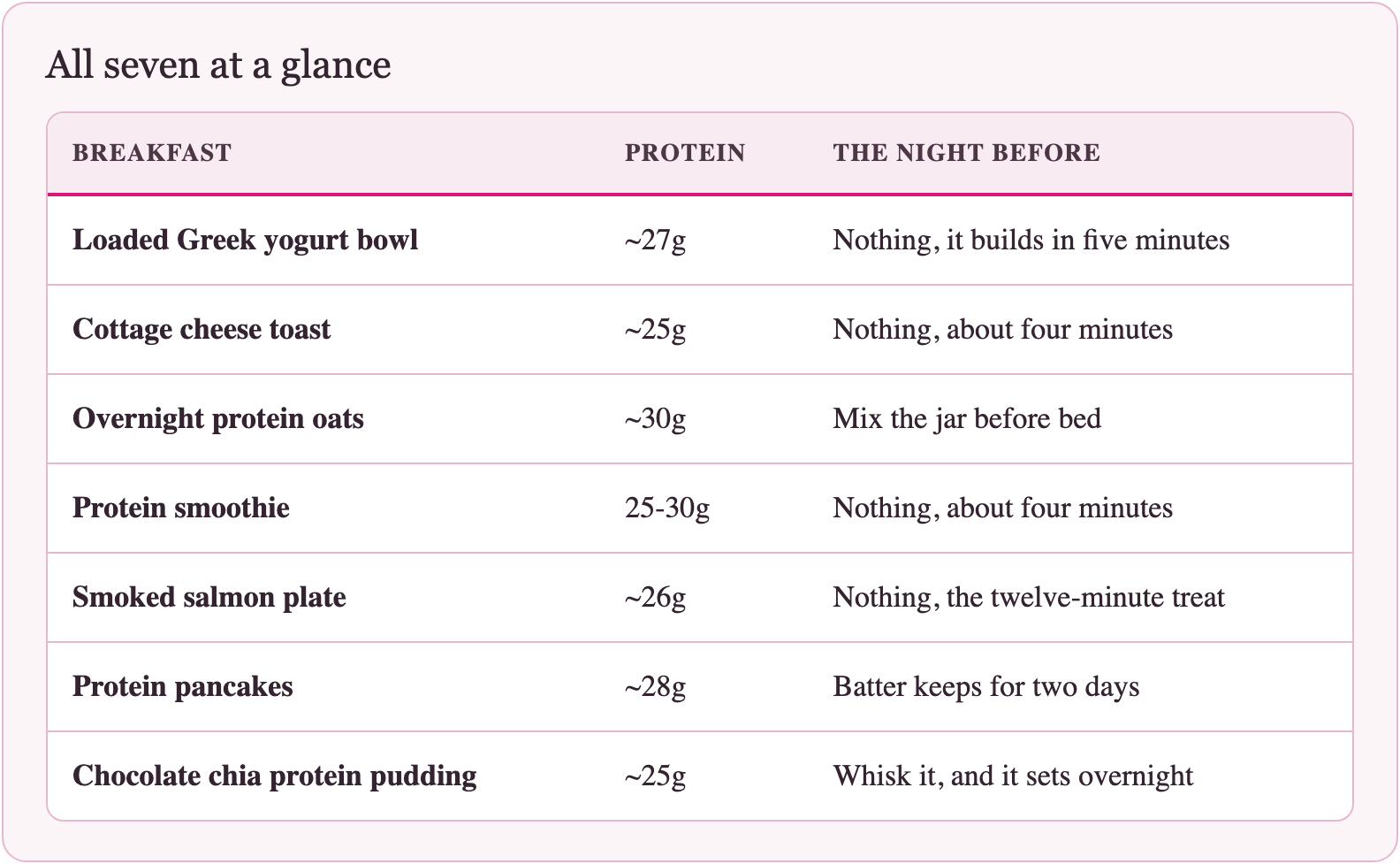
1. The loaded Greek yogurt bowl (about 27g)
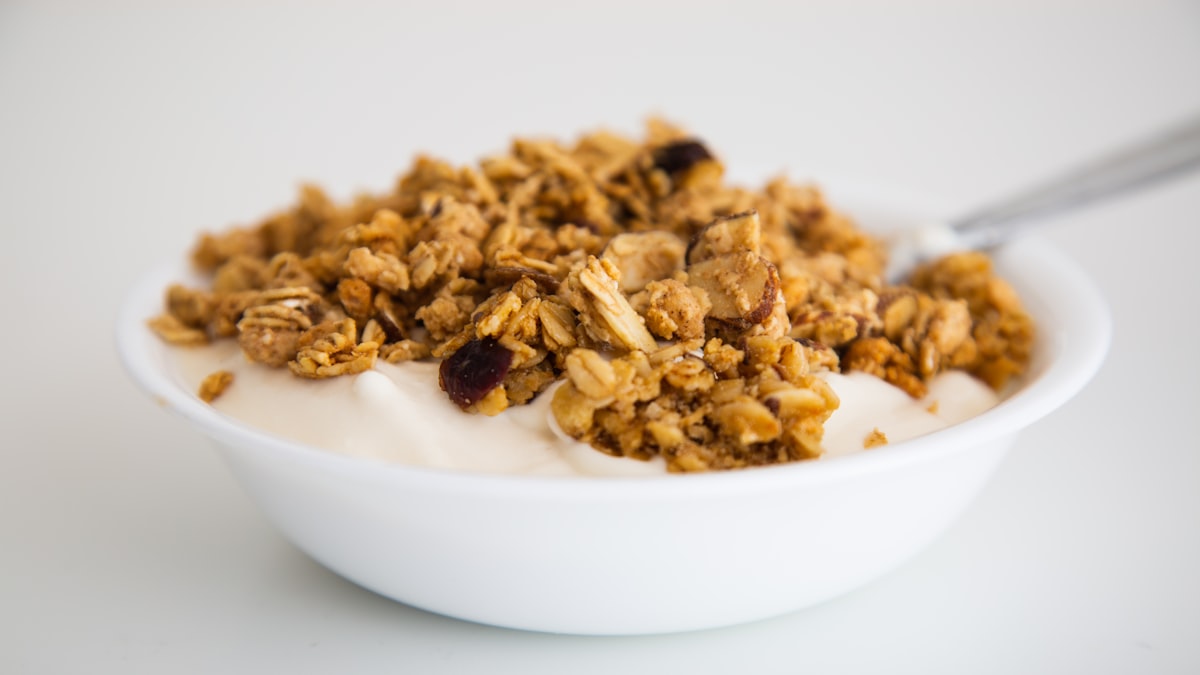
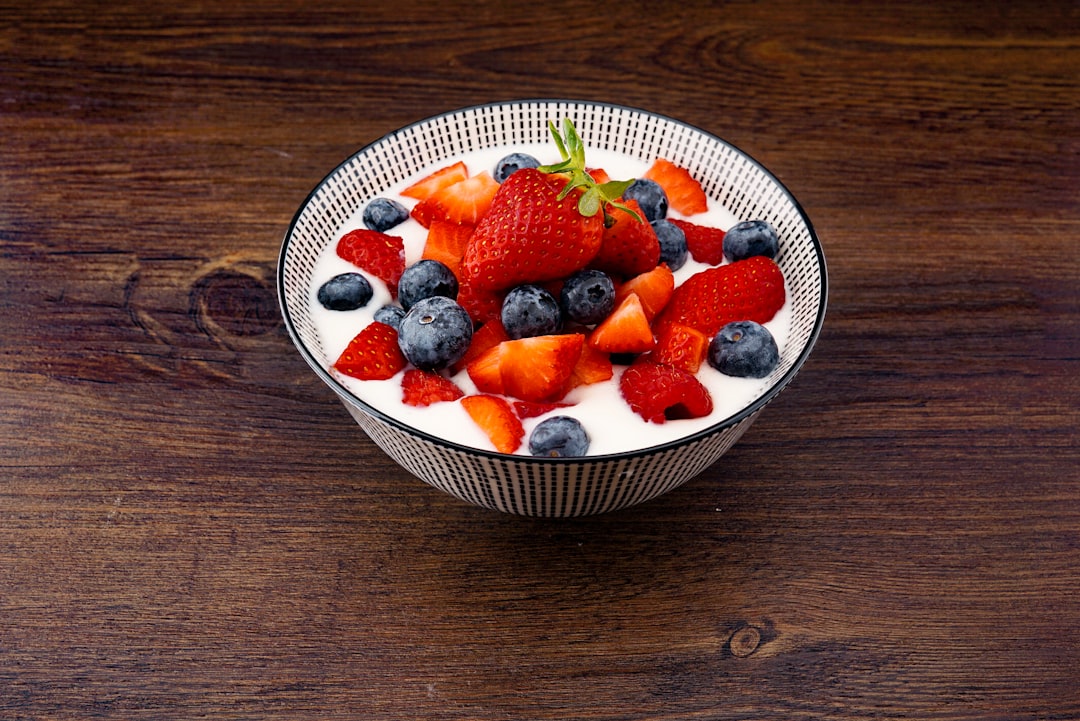
Greek yogurt is a secret weapon when it comes to protein. You can get about 20 grams of protein from one single cup of plain Greek yogurt. And that’s before you add any ingredients. Toss in a couple tablespoons of hemp seeds to add another six grams of protein. And then berries and granola for a bit of a crunch and you now have a super healthy breakfast that is insanely delicious.
One note: Always go for plain Greek yogurt. The flavored stuff isn’t as good for you because it has a ton of sugar. And the truth is you don’t need that fake sweetened yogurt. Once you get into the routine of adding your own healthy flavor enhancers, the fake yogurt will actually taste terrible to you. Sweeten it with honey or fruit and the sweetness becomes a healthy addition instead of a sweet negative.
2. Cottage cheese toast, sweet or savory (about 25g)
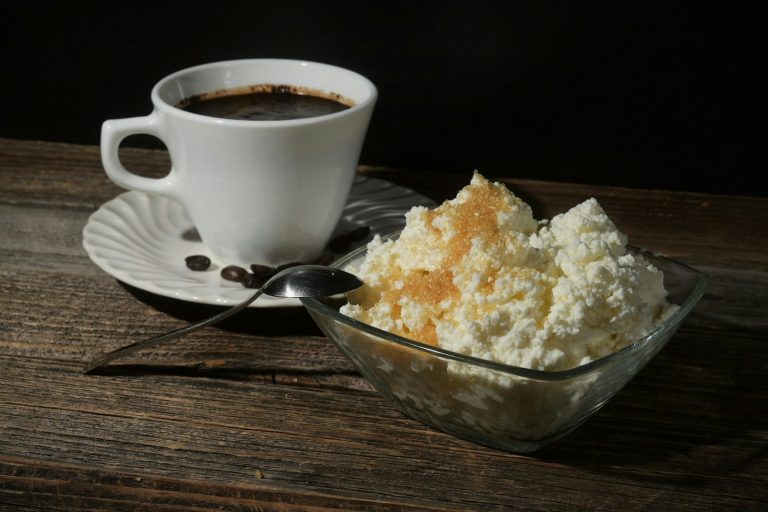
Everyone like toast, right? It’s one of life’s simple pleasures (when it has butter on it.) When you add 3/4 cup of cottage cheese to it it becomes a protein powerhouse. Toss on some sliced tomatoes, black pepper, some olive oil, a little everything bagel seasoning and you think you’ve died and gone to healthy bagel heaven.
Or add some peaches with cinnamon if your sweet tooth is calling you. Cottage cheese is basically a blank canvas that will taste like all the good stuff you add to it.
And we’re just throwing out random suggestions here. You could literally almost put anything you want on this toast to flavor it any way you want. As long as it’s a whole food and not something like gummy worms (those aren’t healthy, but you know that.)
3. Overnight protein oats (about 30g)
Everyone thinks oatmeal is just carbs. But when you mix a scoop of vanilla protein powder, a tablespoon of chia seeds and milk into it the night before, then you have a huge protein breakfast waiting for you when you wake up.
The best part is that you don’t have to cook anything because the time in the jar did all the work for you. And the oats and chia fiber help keep you full til lunch. I’m not sure who came up with the idea of letting oats sit overnight, but they are kind of a genius. It’s like having a butler who makes breakfast for you (except for the part about you actually making it the night before…just go with it.)
And again, you can flavor these overnight oats however you want. When I was a kid I used to have the apples and cinnamon instant oats. Knowing what I know now, those are not healthy, but they did taste good! You can recreate that same flavor here, but with real food to make it healthy.
4. A quick protein smoothie (about 25–30 grams of protein)
If you’re short on time and patience, high-protein smoothies are a go-to breakfast option for us. They take about 4 minutes to make and leave behind minimal cleanup, just a quick rinse of the blender cup. Check out our “high-protein smoothies guide” for more.
Start with protein, think a cup of cottage cheese or a scoop of protein powder in a cup of milk. Add some fiber, fat, and a little fruit. Breakfasts that follow this formula have us feeling satisfied and keep us full through the morning.
5. Smoked salmon plate (about 26 grams of protein)
This plate takes about 12 minutes to make, and tastes luxurious. Three ounces of smoked salmon provides about 16 grams of protein. Try swapping cream cheese for 1/4 cup of cottage cheese to get about 7 grams of protein instead of 2.
Spread 1/4 cup cottage cheese on a piece of whole-grain toast and top with 3 ounces smoked salmon, a few slices of cucumber, ground black pepper, and, if you’re feeling fancy, a sprinkling of capers.
6. Simple protein pancakes (about 28 grams of protein)
- One cup of cottage cheese
- Half a cup of oats
- One scoop of vanilla protein powder
- A splash of milk
- One teaspoon of baking powder
Another use for beloved cottage cheese, these fluffy cakes pack about 28 g of protein per serving, and the batter makes two servings. Mix the ingredients into a thick, fluffy batter. Spoon onto a griddle and cook until bubbles form on top, flip, cook another minute, remove from pan, repeat with remaining batter. Serve with maple syrup and berries. Bonus: Make ahead. Batter will store in the fridge for up to 2 days.
7. Chocolate chia protein pudding (about 25 grams of protein)
- Two tablespoons of chia seeds
- One scoop of chocolate protein powder
- One tablespoon of cocoa
- One cup of milk
Make this creamy treat, with a texture somewhere between pudding and mousse, the night before breakfast. Stir the ingredients together. Chill overnight. Spoon into a bowl and top off with fresh raspberries. Enjoy around 25 to 35 g of protein, depending on your powder and milk. Bonus: Make ahead. Assemble before bed and enjoy a dreamy, ready-made treat come morning.
Keep a few reliable ingredients on hand
Choose a couple of go-to breakfasts you enjoy so you’re not scrambling for ideas in the morning. Make sure they’re simple and easy to make, especially on busy weekday mornings. Plain greek yogurt, protein powder and cottage cheese will be your best friends. We know, variety is the spice of life, but it’s ok to repeat meals you enjoy.
Bonus tip: Once you reach the coveted age of 50, the recommendation is to have 25-30 grams of protein with each meal. Breakfast is an obvious focus point since it’s the meal we’re least likely to get that amount of protein.
Why 25 to 30 grams, and not 15
That means it’s going to take more protein to achieve the same result. Researchers use the term anabolic resistance to describe this decreased responsiveness to protein. In your twenties, roughly 15 to 20 grams at a meal is enough to switch on muscle repair, but later in life it takes about 25 to 30 grams or more for the same effect.
But the typical distribution of protein in our diets leaves breakfast wanting: There’s a little at breakfast, a bit more at lunch and most of it at dinner. To close this protein gap, it’s helpful to eat a balanced amount of protein at each of the day’s meals. Three meals containing 25 to 30 grams will add up to a healthy total of 75 to 90 grams per day. Some ideas for getting there follow.
The plant and dairy-free versions
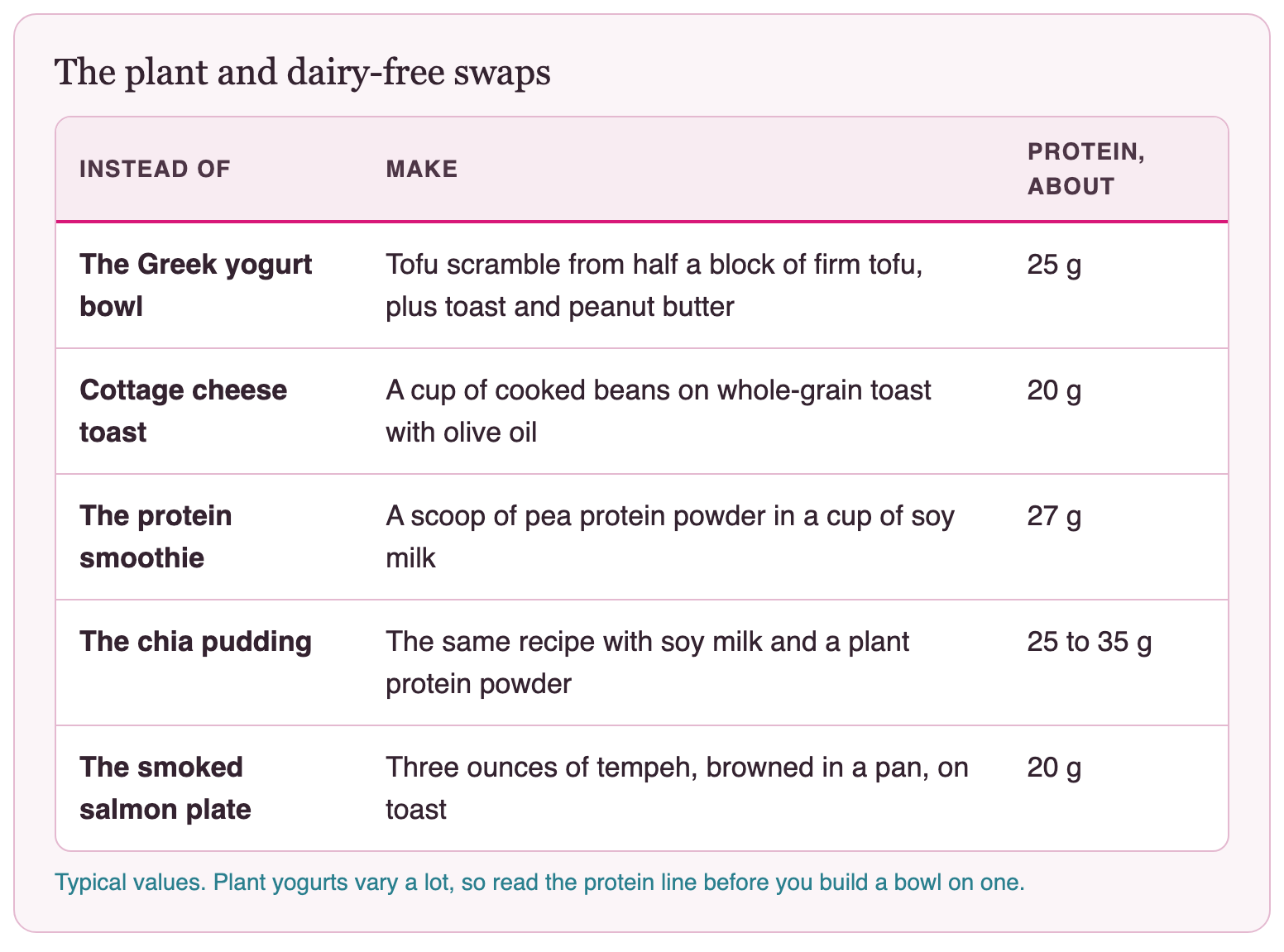
The most popular options for protein-rich breakfasts include yogurt, cottage cheese and eggs. For vegetarians or vegans, tofu, tempeh, edamame, soy milk or a scoop of plant-based protein powder mixed into a smoothie or chia pudding can deliver protein. Beans are another option I’m a big fan of, especially Rancho Gordo beans. This is how much protein various items contain.
Greek yogurt: Many of us grew up thinking of yogurt as a food for kids or as an item to accompany granola or berries, but Greek yogurt is a great source of protein. A 5.3-ounce container has about 15 grams of protein, a 7-ounce container about 20. Look for plain to avoid added sugars, as plain Greek yogurt contains 5 to 7 grams of the milk sugars naturally occurring in the product, and flavored yogurts can have twice or three times that amount.
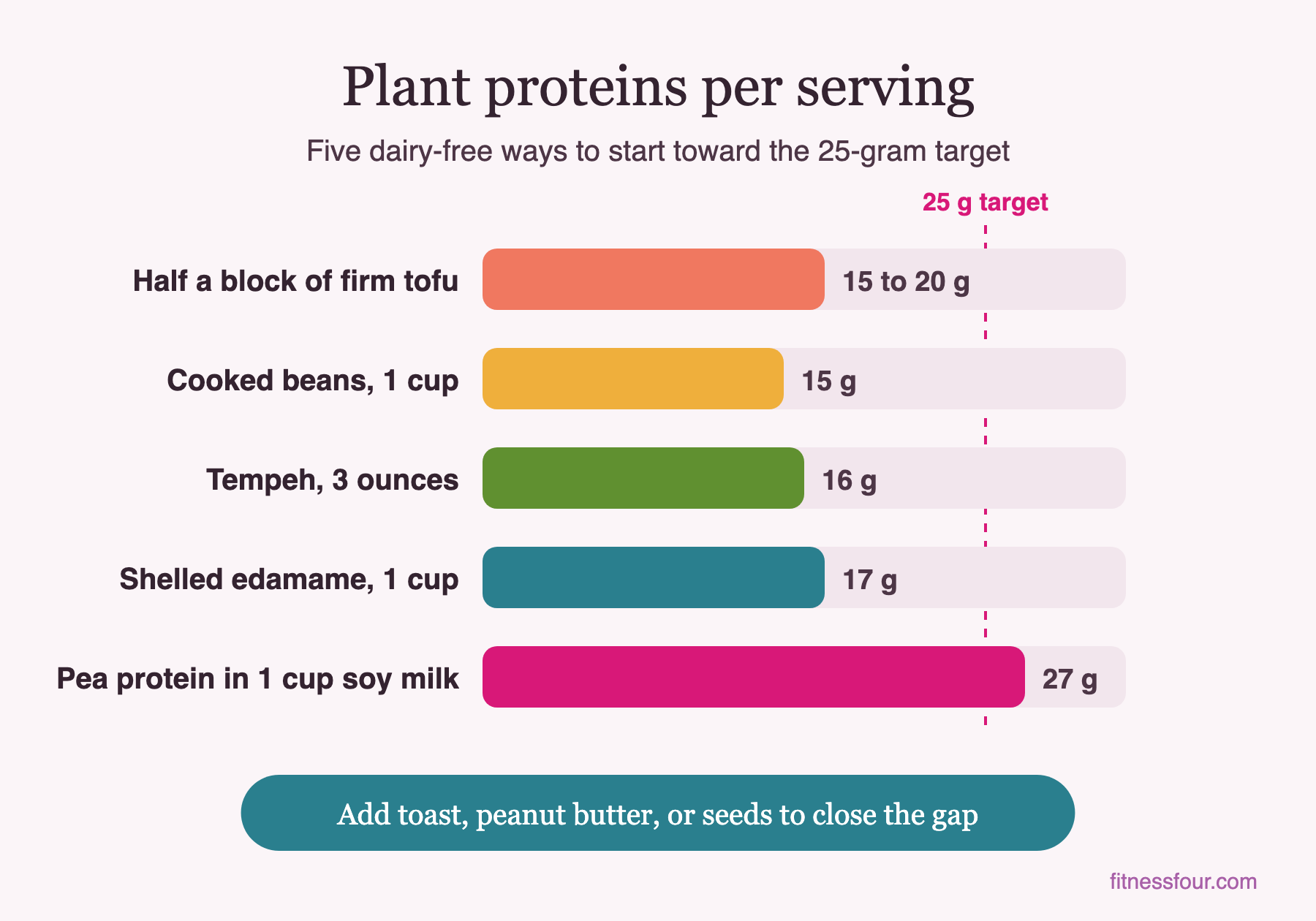
Tofu: A half-block of firm tofu has 15 to 20 grams of protein. Try crumbling it and cooking it with turmeric and salt as a scramble. Even though tofu alone won’t make it to 25 to 30 grams of protein, adding whole-grain toast with peanut butter will.
Tempeh: Three ounces has about 16 grams of protein. Try tempeh browned in a hot pan as a stand-in for bacon.
Edamame: A cup of shelled edamame has 17 grams of protein. Just nuke frozen edamame for three minutes and serve with soy sauce, salt, lemon, lime, sriracha or other favorite condiment.
Soy milk: A cup of soy milk combined with a scoop of protein powder (one with about 20 grams per scoop) will have about 27 grams of protein. This is the fastest, easiest, healthiest breakfast around, done in 30 seconds.
Plant-based yogurts and protein powders: Check labels; protein content varies widely. Many plant-based yogurts made from almond, coconut and other bases have fewer than 7 grams of protein. To compensate, try adding plant-based protein powders made from pea, soy or other sources. A great option is to make chia pudding with soy milk and a plant-based protein powder rather than with whey protein.
Beans and the rest of the dairy case
Cottage cheese: Half a cup will have 12 to 14 grams of protein. Brands vary widely in sodium, so look for a favorite.
Beans: One cup of cooked beans will have around 15 grams of protein as well as heart-healthy fiber. Make a big pot on Sunday and freeze them in cups or buy frozen black or pinto beans at the store. Heat some up and have a bowl with salsa, half an avocado and a small handful of pumpkin seeds for a tasty, nutritious, dairy-free bowl with about 25 grams of protein.
Skyr: Strained longer than Greek yogurt for a thicker, richer product. Expect to get 15 to 17 grams of protein in a small cup.
Kefir: Nine to 11 grams per cup makes kefir a good option for a protein-packed smoothie instead of starting with juice or milk.
Ricotta: Anywhere from 8 to 16 grams of protein in a half-cup depending on the brand, with part-skim at the top of that range, so read the label. Try it spread on a piece of toast, drizzled with honey and sprinkled with cracked pepper.
Five-minute habits that make it stick
If you’re interested in increasing your morning protein, these are some tactics to get started.
Choose a few items you enjoy and have them in the fridge/freezer at all times. Try having these on hand: berries, pre-portioned and frozen, along with a way to defrost them quickly; frozen black or pinto beans; chia puddings made ahead and portioned individually so they’ll freeze and unfreeze into single servings; protein-packed pancakes cooked ahead, laid between parchment paper and frozen. With these items on hand, breakfast will be done in five minutes.
Devote five minutes in the evening to breakfast prep. Portion out a container of chia pudding or overnight oats for breakfast. Make one smoothie bag to toss in the freezer. Scan the fridge for Greek yogurt cups, eggs, cottage cheese, fruit, nuts, soy milk, whatever you like, to make sure there are options for breakfast.
If you’re a coffee-until-noon person
If you’re not much of a morning person, have a protein-rich latte. A large, 12-ounce latte made with dairy milk will have 8 to 10 grams of protein. Later in the morning, have a cup of Greek yogurt for more protein.
Add a scoop of protein powder to your morning coffee. Unflavored whey mixes well. Note that collagen is missing an amino acid necessary for muscle repair, so a collagen powder doesn’t count as a complete protein like whey would. Or, if you prefer plant-based drinks, choose soy milk rather than almond milk to increase the amount of protein.

Thank you so much for all this information on food. I’m 86yr now and I’ve been adjusting my way of eating for 3 yrs now and My blood test indicates that this change in the way I’m eating is helping my body!. I use to spend $300.00 on groceries every month, then I decided to change my way of eating to a plant base diet, I now spend $150.00to$100.00 on groceries and I love cooking this way know that My choice is a lot better and tasty, I’m always trying to improve my diet to decrease any inflammation and arthritis!. This really helps in aging well in years, always have a blood test dn to see what you are definite in. I decided to find out before changing my way of eating to see if I was low in any protein or other nutrients for My body, I discovered I was lacking B-12,Mag,Folate,D3, I had a plan now and it’s working by changing the way I eat,thank again I now eat the rt things for My body to age well, I’m not on any meds and I Walk every day, blessings to you all.
You are an inspiration!
I plan to share this topic on how to eat well with other seniors,thank you again.
Yahoo sounds yummy
Great ideas for making breakfast more varied while still getting enough protein. I especially like the overnight oats and smoothie options because they can fit into a busy training schedule. Having convenient, balanced food choices makes it easier to stay consistent with fitness goals.