
8 Habits for Better Sleep As You Get Older

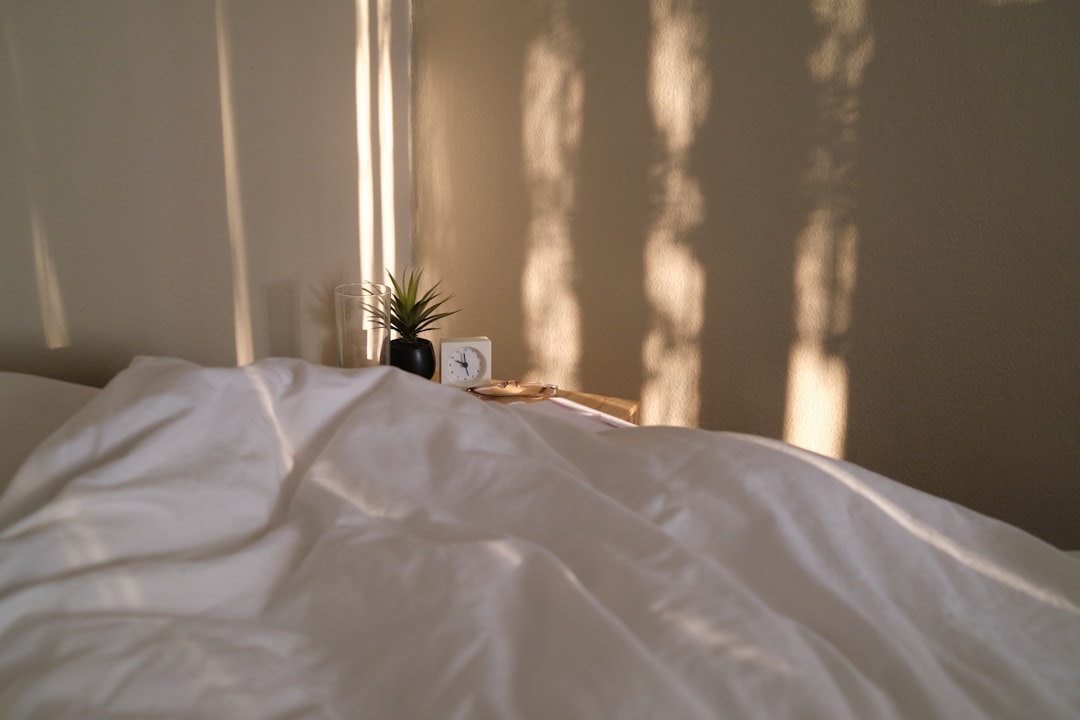
In my mid-fifties, I started waking at 3 a.m. after years of sleeping comfortably through the night. Sometimes I worried about “that thing you said in 2009” or “do we hear dripping.” Other nights, I was simply awake, wondering when sleep had become so much work.
If you’re over 50, chances are your sleep has gotten a little wonky. Maybe you’re waking at odd times in the middle of the night and can’t seem to fall back to sleep as easily. Or, it’s taking longer to fall asleep. Our bodies produce less melatonin, the sleep-inducing hormone. Melatonin production shifts earlier in the evening. Another change that occurs as we age is a decrease in slow-wave sleep, the stage involved in physical repair. These two changes result in lighter, more vulnerable sleep.
There are things you can do to promote more satisfying, uninterrupted sleep at night. Many of those strategies revolve around changing your habits during the day. Here are eight to consider:
1. Get up at the same time every day, yes, weekends too
One of the most consistent recommendations from sleep clinicians is waking at a consistent time each day, weekend included. Our circadian clocks are regulated by getting up each day, and having an erratic wake-up time can result in less-than-ideal sleep at night. When you get up two hours later on some days than others, you give it a changing schedule to follow.
For me, it’s 6:45 each morning, thank goodness for the dog. Getting up at that time on Sundays felt difficult for the first two weeks. Then my nights began improving. For those who are getting up multiple times during the night, implementing a consistent wake-up time can help regulate that within two to three weeks.
Watch: the eight habits as a three-minute video, in the order your day runs.
2. Go outside within an hour of waking
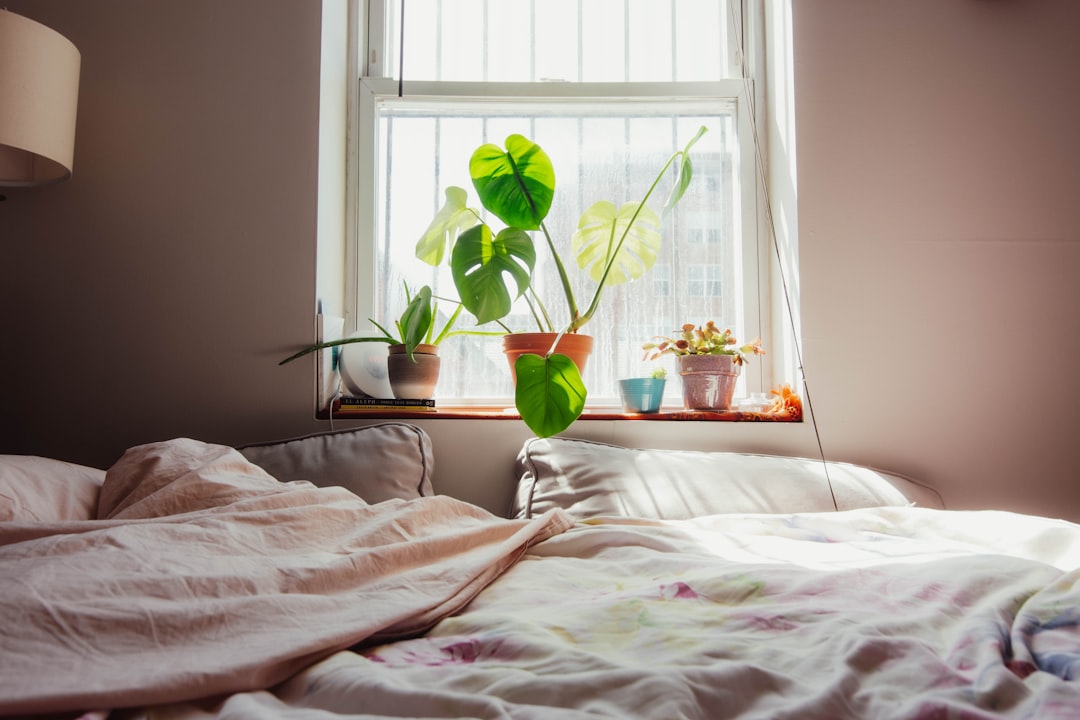
Emerging out of the house within the first hour after waking for 10 to 15 minutes also helps regulate your circadian clock. Outdoor light helps our brains realize it’s daytime and get ready for nighttime. We need to be more intentional about it as we age. Changes to our eyes result in less light getting in, so make sure you aren’t wearing sunglasses and enjoy that morning coffee on the back steps.
Even a bright kitchen provides much less light than an overcast sky. I take my coffee onto the back step or get outside for the first part of the dog walk. On miserable mornings, I’ll stand at an open door for a while.
3. Land your last caffeine by noon
Caffeine has a half-life of five to six hours. If you drink coffee at 3 p.m., a substantial amount can still be in your system at 9 or 10 that night. Consuming it in the afternoon can prevent the build-up of chemicals that make us sleepy (aka sleep pressure) in preparation for a good night’s rest.
We can also clear caffeine more slowly as we get older. The afternoon coffee you tolerated at 40 may affect your sleep differently at 60. You might still fall asleep without difficulty. Caffeine can affect the restorative stages of sleep, leaving you tired after what seemed like a full night.
Cutting back on caffeine was easier said than done for me, but making sure I had my last coffee by noon has done more for my sleep than any of the fancy teas, pillows, and weighted blankets I’ve invested in.
4. Rethink the nightcap
There’s nothing like a glass of wine with dinner to induce some sleepiness, however, drinking too close to bedtime can result in poorer quality sleep later in the night. You may find yourself awake at 2 or 3 a.m. Alcohol can result in elevated body temperatures and louder snoring. It can also interrupt slow-wave sleep which is already on the decrease as we age.
Limiting alcohol in general, and finishing that last glass about 3 hours before bedtime can improve your sleep. Notice how you sleep on nights when you skip alcohol altogether. I was reluctant to try that comparison, but the difference was hard to ignore.
5. Keep naps short and early
Many older adults inadvertently undermine the effects of daytime light exposure, exercise, etc. that help them fall asleep at bedtime. For example, long and/or late naps can rob them of sufficient sleep pressure at night. Limit naps to around 20 minutes, setting a timer or napping sitting up so you’re less likely to doze off for two hours, and nap before 3 pm. If your sleep is significantly out of kilter, it’s OK to skip naps for a couple of weeks as you get your nighttime sleep back on track by getting up at the same time each day. You can bring back a short nap once your nights are more settled.
6. Move every day, and finish the sweaty stuff early
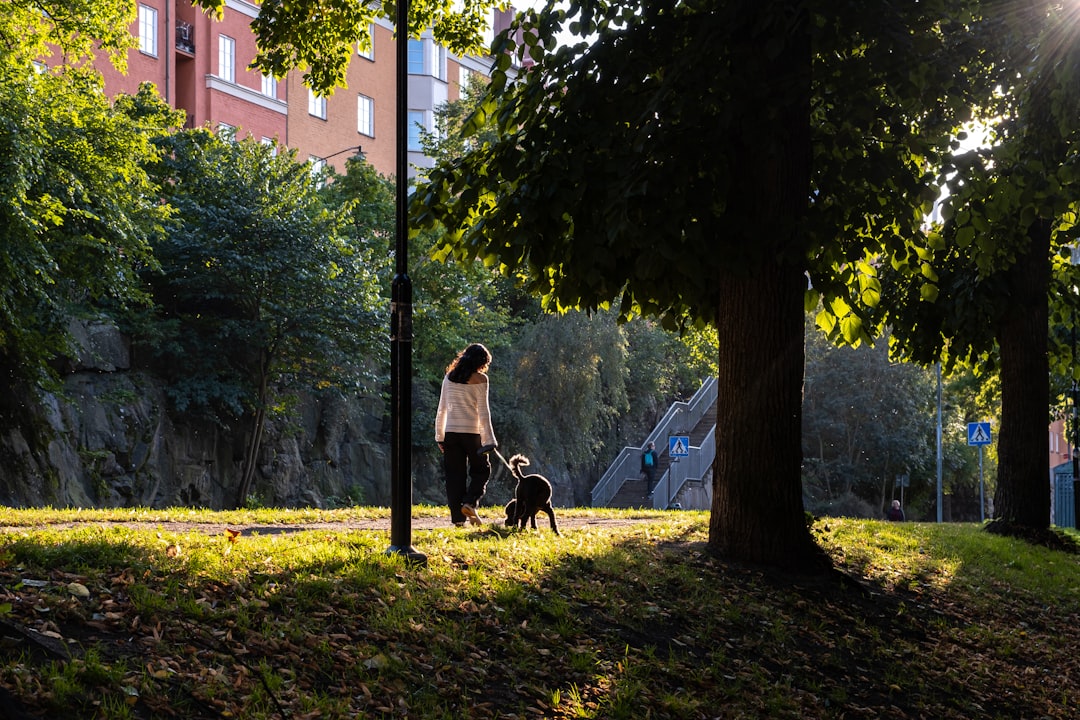
Older adults who exercise on a daily basis fall asleep faster and enjoy deeper sleep. Walking has been linked with sleep benefits and resistance training has been linked with enhanced slow-wave sleep. Save the tougher workouts for the a.m. or afternoon, though. Vigorous exercise right before bed raises core body temperature, making it hard to fall asleep when your temp should be starting to decrease. Save easier, more calming forms of exercise, such as a leisurely walk, some stretches, or easy yoga, for the evening.
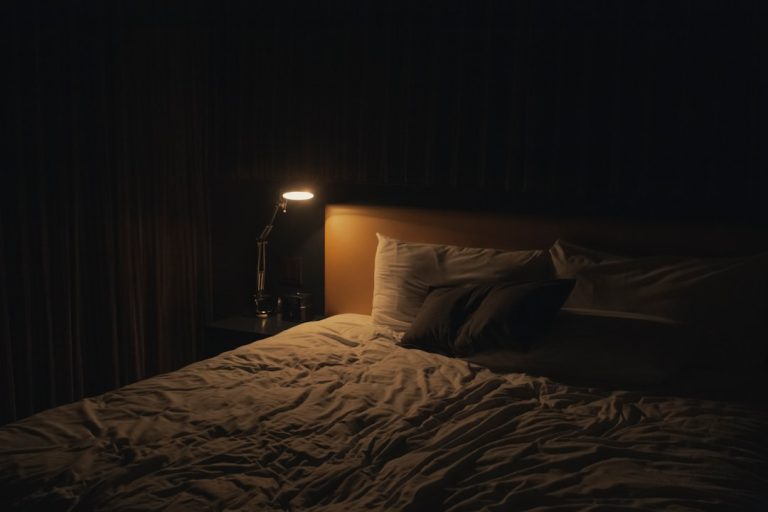
7. Make the bedroom cold, dark, and boring
Our bodies need to decrease in temperature, by one to two degrees, in order to fall asleep. Keeping your bedroom between 65-68 degrees can help that happen. A fan, a partly open window, or a thermostat adjustment may help you get there.
Leaving your phone and other electronics out of the bedroom to charge can also help with falling and staying asleep. Research has shown that even small amounts of light can impact the quality of sleep in older adults. Blackout curtains or a comfortable eye mask can help if streetlights shine into the room.
Watching television, dealing with bills, and scrolling on your phone can make it harder to associate the space with sleep. I charge my phone in the kitchen so it isn’t beside me all night.
8. When you can’t sleep, get up
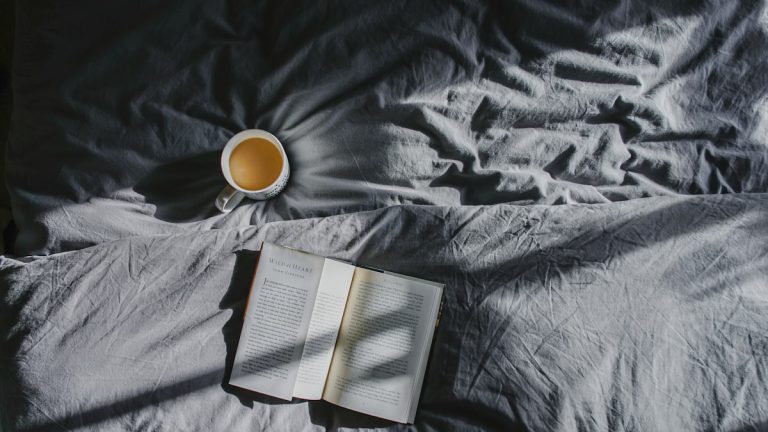
Lying in bed tossing and turning teaches your brain to associate being in bed with being wide-awake and/or feeling anxious. The insomnia treatment, CBT-I or cognitive behavioral therapy for insomnia, recommends getting up if you’ve been awake for much more than about 20 minutes and going to a dimly-lit room where you can engage in a boring, relaxing activity such as reading a print book or magazine, or doing a crossword. Return to bed when you start to feel sleepy.
You may need to repeat this process three times during a difficult night. It feels silly but it teaches your brain that bed is sleep. I’ve had to do this on occasion and it works. Studies have found CBT-I to be beneficial for older adults, providing benefits compared with sleeping pills without medication side-effects.
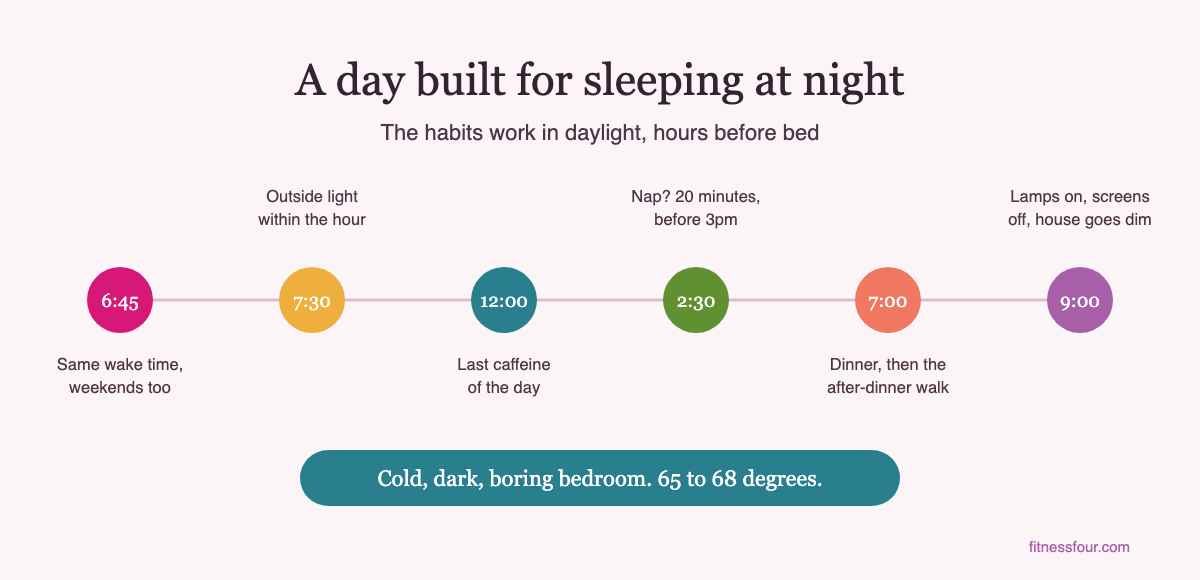
The honest timeline
Different changes take effect at different times. Cutting back on alcohol/caffeine may pay off sooner. Getting up at the same time each day, even on weekends, and getting outside in the morning will start to pay off within 2-3 weeks. Training your brain that being wide-awake in bed means getting up will take about a month to feel like an ingrained habit.
That’s OK. Sleep habits take time to adopt. Don’t get discouraged. Pick two to start with, find ways to make them sustainable, then add another couple down the road. Especially on weekends and super-tired days, you’ll be glad you’ve created routines to help you enjoy better-quality sleep.


I read if I can’t get back to sleep. But on my kindle. It goes to dark mode at night. A regular book would require a bright light for me to read and that will wake me up for the day! I also take a Valerian if I wake up, it helps me get back to sleep.
Try clove tea before bed you will sleep all throughout the night.
Where do you buy clove tea & does it come in a decaffeinated type, please?
Great article!
When I had trouble sleeping, the best advice given was to drink Oraganic Tart Cherry Juice. I’ve been sleeping like a baby since the first cup.
What time of day do you drink it?
When I can’t sleep I say to myself: since you’re wide awake, how about getting up and clean the windows. When you’re done, clean the doors. I turn around and I sleep like a baby. It works every time.
What to drink after noon besides water
This was very enlightening and informative! Thank you . Chamomile Tea does it for me.