The 5-Minute Daily Habit That Made My Clothes Fit Better

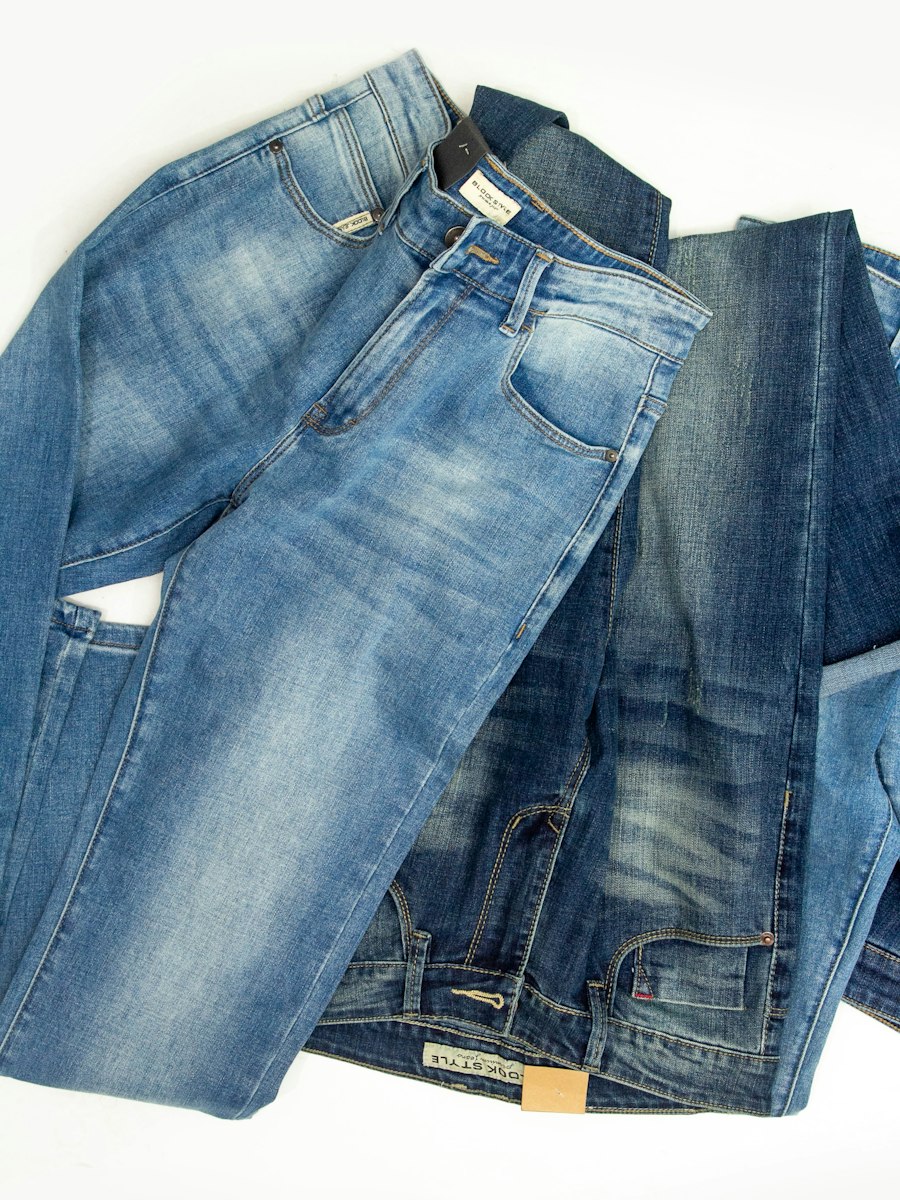
I can tell you that for the first three weeks I didn’t notice a thing. But somewhere in the sixth week my waistband felt a teeny bit easier to manage. Now, at the three month point, a pair of jeans that I haven’t fit into for about three years fits fine, and the zipper closes with ease.
There’s been a small decrease on the scale, specifically four pounds. But the real benefit of this walk for me has been in composition – fitting into jeans again. For me, that’s been more important than what the scale says.

- Weeks 1 to 3: nothing. This is exactly where most people quit.
- Around week 6: the forgiving-waistband pants started loosening.
- Month 3: the old jeans from three years ago zipped without the lying-flat trick.
- Scale: about four pounds, but the real change was where the weight sat.
What I actually did
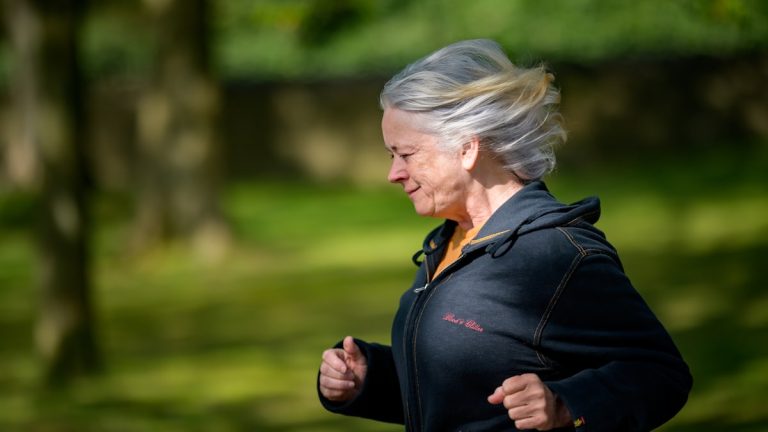
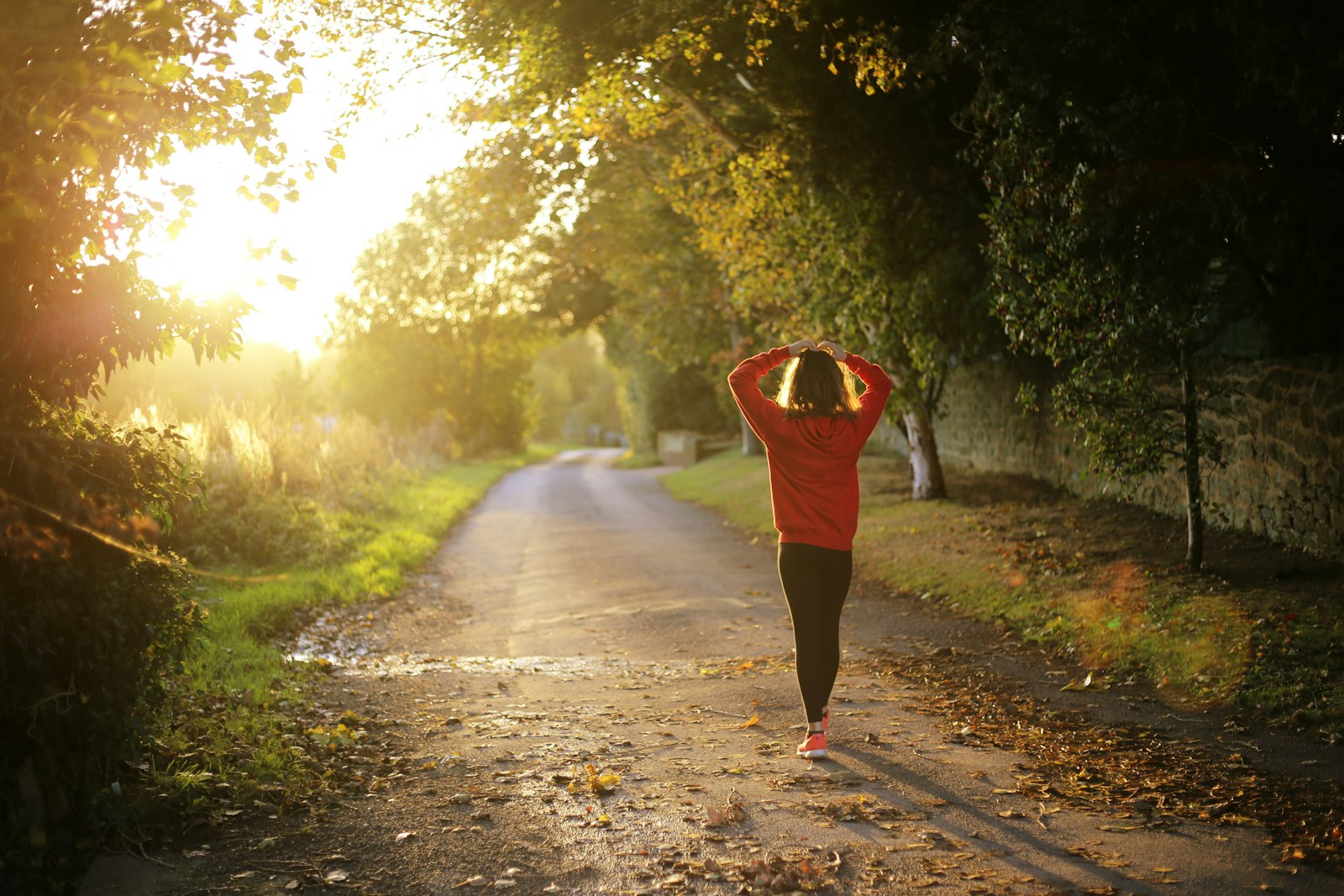
It’s ridiculously simple, just simple enough that I haven’t skipped it. After dinner, even if dinner was later than usual, I say to those around me “I’m just stepping outside,” head out the door, go down our street and come right back. That’s it. Five minutes tops. If it’s raining, I walk around my dining room table. It’s five minutes, not more.
If I happen to walk longer, that’s fine, but the commitment remains five minutes. That’s why I haven’t skipped it: It’s such an easy habit to keep. There’s no way I can justify skipping it because I’m too tired, as what’s five minutes?
This is why I’ve been taking a “just stepping outside for a minute” walk for the last three months, and why I encourage other women to do the same.
Why I chose to walk after dinner
When you eat, your blood sugar rises. At menopause, our bodies are less efficient at dealing with these spikes, which means more sugar (aka glucose) circulating in your bloodstream. The hormone insulin deals with that excess sugar, which can contribute to extra fat being stored in your body, often around the middle.
One way our bodies use glucose is when we’re walking. When we flex and extend our muscles during walking, we pull glucose from the bloodstream independently of insulin, essentially dealing with that excess.
Why do I encourage walking after meals? Aside from using up some of that excess sugar, recent research backs it up. a major study showed a connection between easy, casual walks taken shortly after a meal, even walks that last just a few minutes, and decreased spikes in blood sugar.
The change I hadn’t expected
Getting up from the table and going right out the door takes the wiggle room out of rationalizing staying on the couch after dinner or grazing in the kitchen. Getting up and heading out the door makes it very clear that the meal is over and there’s nothing else to discuss, accomplish, etc. It’s a transition.
And it’s easier to implement when you don’t have to convince yourself that now is a good time to go outside, especially after a tiring day.
For me, getting up and going outside, even if it’s for just five minutes, has also curtailed the post-dinner aimless kitchen grazing that often comes from boredom. Of course I still indulge in ice cream or other treats – just knowingly, not mindlessly.
What helped me keep doing it
Why have I taken an “after-dinner” walk, not an “at 7 p.m.” walk? Because linking my five-minute walk to an action, getting up from the table after dinner, has made it easier to implement and adhere to than linking it to a particular time. Holidays and traveling make it much easier to make sure I walk after dinner regardless of when that might be than it would be to adhere to a particular time.
What a five-minute walk can reasonably promise
It’s worth separating the personal story in this article from what the research can show.
A 2022 systematic review and meta-analysis in Sports Medicine pooled seven one-day studies of adults, most of them with overweight or obesity, finding that frequent, light-intensity walking breaks led to lower blood sugar (glucose) and insulin responses after meals than sitting the whole time. Walking breaks also fared better than standing breaks for blood sugar and insulin after meals.
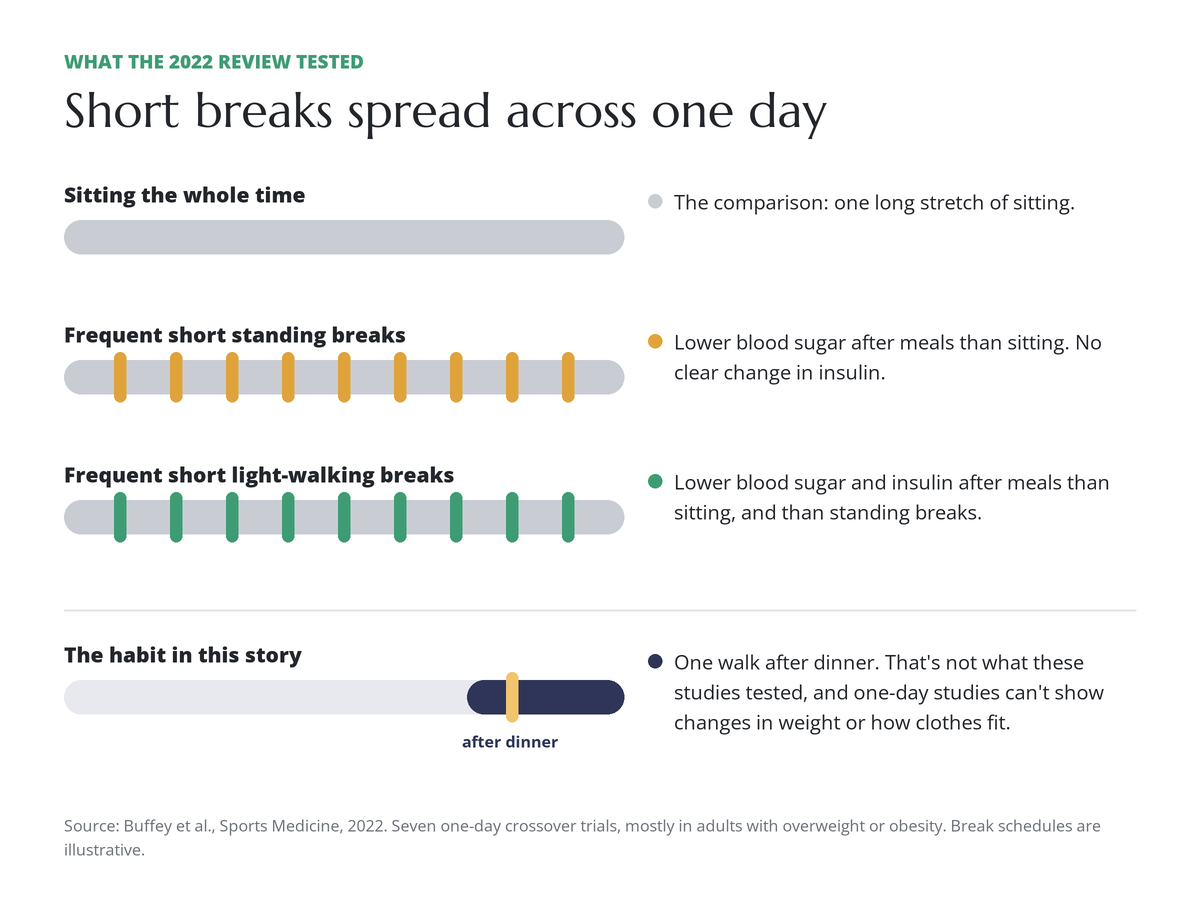
But those were single-day studies that used multiple breaks throughout the day, not just one. And they did not show that a single, five-minute walk after dinner leads to weight loss, let alone a smaller waistline. So temper your expectations accordingly.
Breaking up sitting time with movement is still a good idea, just without a timetable for fitting into an old pair of jeans. Your results may not show up on the same schedule as anyone else’s.
Choose a route that ends before it becomes a project
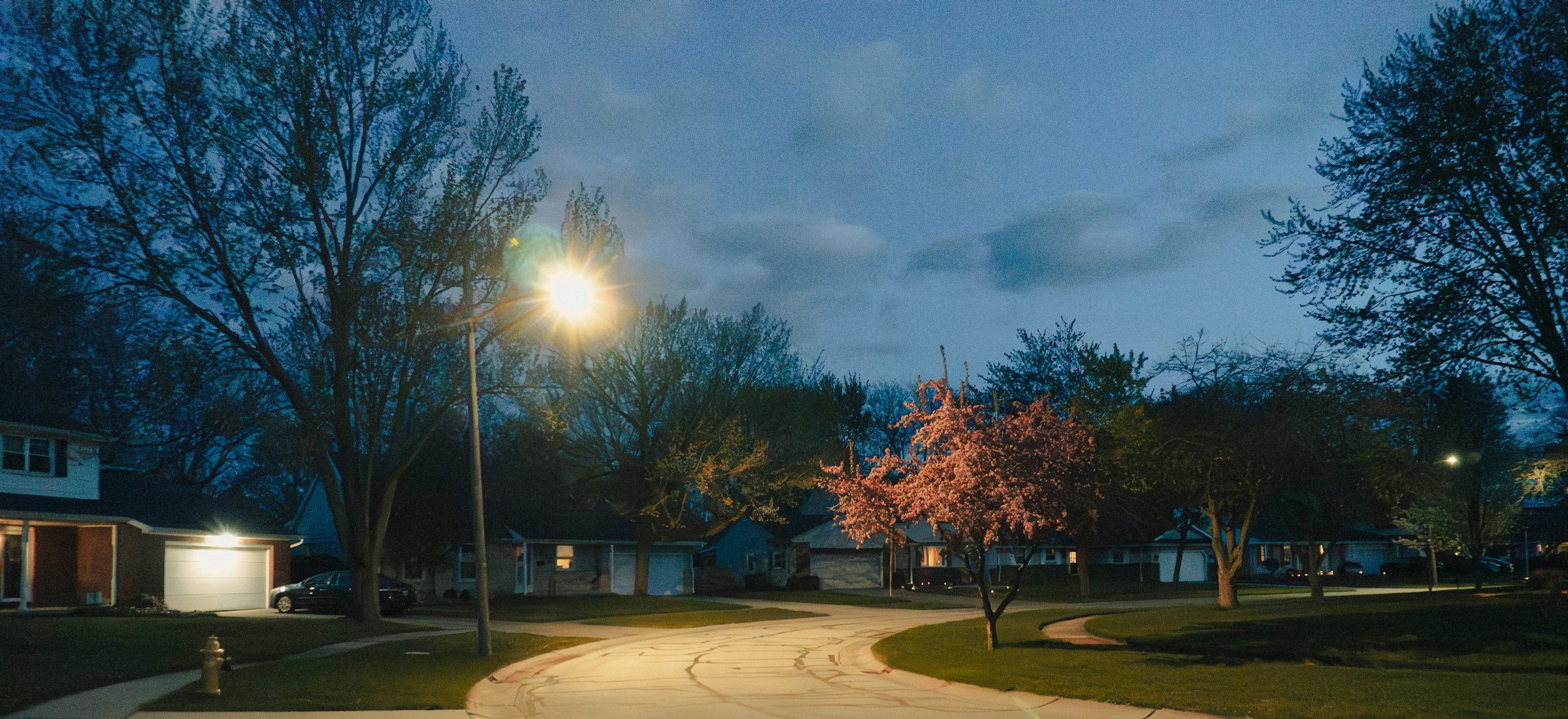
Pick an easy route and go on that same route every time, initially, like down the block and back, around your building, or down the hallway and back. Don’t worry about distance, let alone breaking your own distance record. If you use a timer, turn around at about two and a half minutes and come home.
Make sure you’ve thought about any practical considerations in advance, like whether you can get to your shoes easily, if the route is adequately lit, and whether you need your keys or a jacket, so you can head out as soon as dinner is over. Don’t let a five-minute walk require fifteen minutes of preparation.
Make sure you’re wearing practical, non-slippery shoes, but other than that, don’t worry about dressing for the occasion. Whatever you’re wearing is fine.
Keep the first walks comfortable
You don’t have to bust a move during those walks. There’s no need to alternate periods of fast with slow, conquer hills, or leave yourself panting for air. The studies on breaking up sitting used light-intensity walking. These walks should be comfortable, not difficult workouts. Find a pace at which you can walk comfortably and take note of the world around you.
Save the challenging hikes and treks for another day. Listen to your body and start at a level that works for you. The National Institute of Diabetes and Digestive and Kidney Diseases (NIDDK) says people who have problems moving or staying steady on their feet, or who get out of breath easily, should talk with a health care professional before they start.
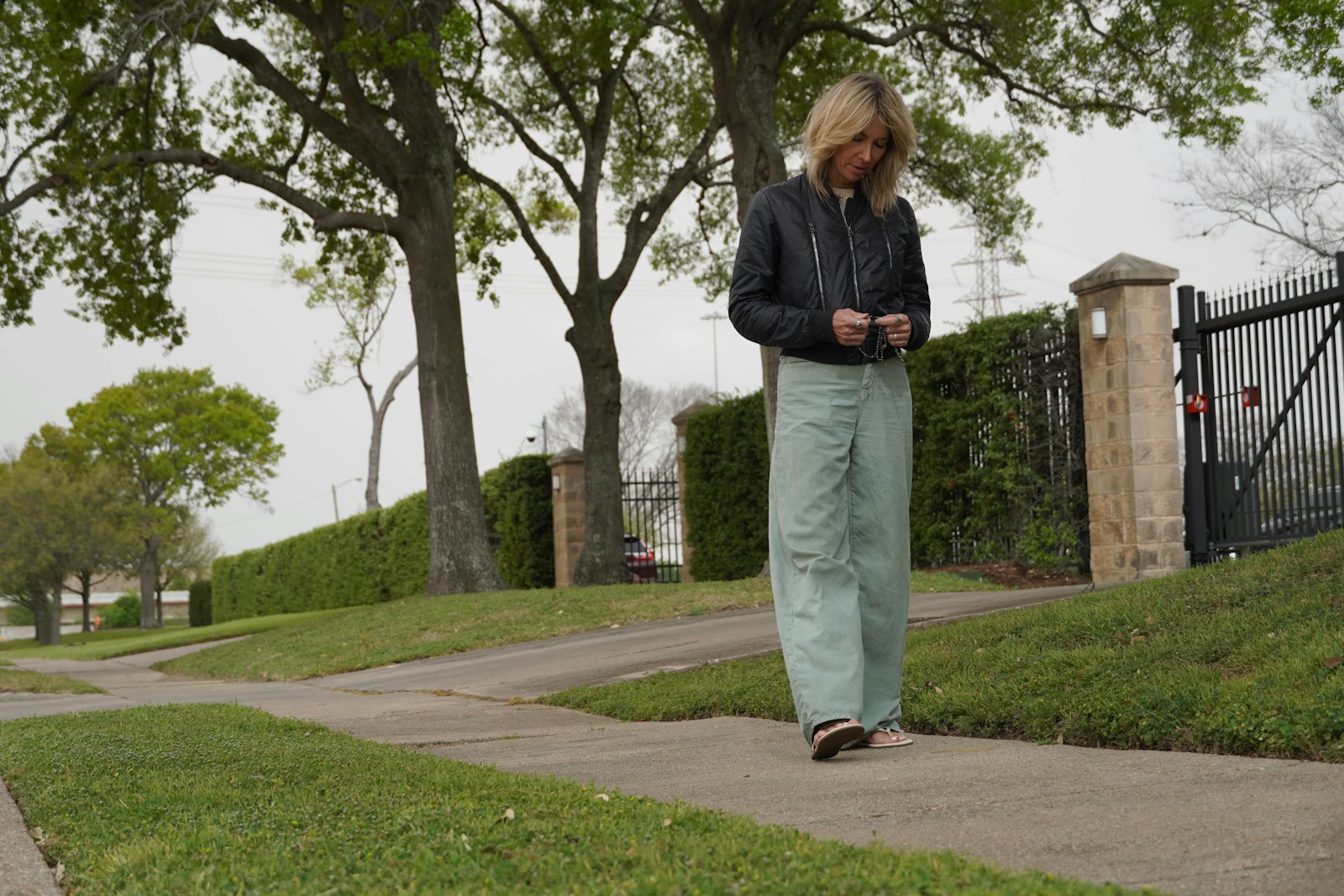
Also, people who haven’t been active or are resuming exercise after an illness may need to begin at a different level. A good rule of thumb is five minutes, but it’s more of a goal than a rule.
Have an indoor version ready
Rain is pretty predictable. Before the first rainy night of the year, figure out a route that you can walk in your house. Try to avoid pets, loose rugs and other obstacles. Back and forth down the hallway may be easier than trying to circle the living room table. Take your time and turn slowly.
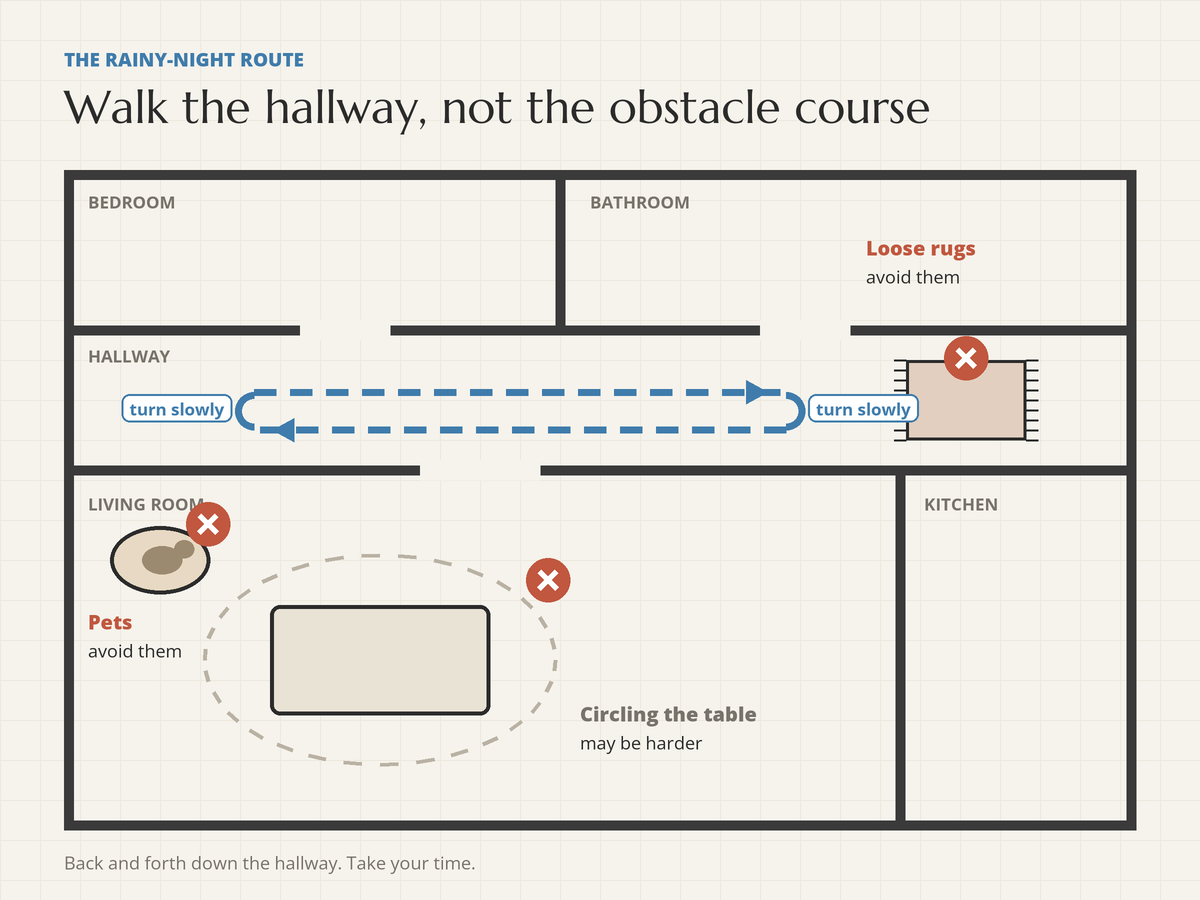
Having a back-up plan will save you from wasting precious walking time hunting for a walking video or debating whether or not you should brave the elements.
And if you’re traveling? Find a good place to walk, rather than try to recreate your walk. Make sure it’s safe and convenient. If there’s not a good choice to walk one evening, that’s OK. Start walking again when there is a good opportunity. Missing a day doesn’t erase all of your walks.
Let the habit interrupt more than one long stretch of sitting
After-dinner walks are an easy place to start, but dinner doesn’t have to be your only opportunity for movement. When the walk feels like a reasonably ingrained habit, consider scheduling in some other short walks.
Perhaps after lunch, or during a long stretch of desk work. The 2022 review looked at frequent breaks from long periods of sitting, which is a good reason to look for more than one chance to move. You don’t have to do this straightaway, so keep your new habits manageable.
Useful prompts may be easy to arrange in your workday (think calendar reminders). At home, it’s worth considering natural prompts, such as finishing a phone call or finishing lunch. Choose whatever fits the day you actually have.
If you take diabetes medication, include walking in your plan
According to the NIDDK, if you take medications to lower your blood glucose, such as insulin or a sulfonylurea, be aware that your blood glucose can go down during exercise and for hours afterward. Some people may need to check their blood glucose before, during, and after exercise.
Some may also need to adjust the amount of food or diabetes medicine they take. Don’t change the amount of your diabetes medications on your own because you’re going to take a short walk after meals. Instead, talk with your diabetes care team about how to work walking after meals into your diabetes management plan.
Learn how to recognize the symptoms of low blood glucose (hypoglycemia), and how to treat it. Follow the same advice for treating low blood glucose as your care team recommended. The goal is to enjoy the benefits of incorporating more movement into your day, but in a way that feels comfortable for you.
Notice progress that has nothing to do with your jeans
How your clothes fit can feel meaningful, but it can’t tell you exactly what changed in your body or what caused it. The CDC notes that most weight loss comes from eating fewer calories, and how much physical activity someone needs to maintain a healthy weight varies from person to person.
There’s also value in noticing that getting started has gotten easier, you’re more comfortable on your usual route, you’re looking forward to that little break in the day after dinner. Those are not insignificant victories even if the fit of your waistband stays the same. And it’s fine to track your walks, so long as you’re judging yourself kindly. Let it be a source of encouragement, not discouragement.
Keep the rest of your movement in view
A 5-minute walk every day adds up to 35 minutes a week, which is a good addition, but it doesn’t replace a broader activity routine. According to the CDC, adults need at least 150 minutes of moderate-intensity aerobic physical activity per week, as well as 2 days of muscle-strengthening activity per week.

And a nice, leisurely stroll might not meet the bar for moderate-intensity, which means that not all of those minutes count. But that’s OK. Your gentle stroll doesn’t have to do it all. Leave that walk after dinner in place and find ways to work in additional activity throughout the week at whatever pace feels manageable.
Maybe you’ll walk for longer, do some strength training, or find another way to move that you love.
Decide what happens after an interrupted week
Inevitably, dinner will run late one night. You’ll travel, or you’ll forget. Don’t punish yourself by planning an especially long walk next time, and don’t wait for Monday. There will be another meal, another opportunity. All you have to do is start again.
If you find yourself missing your walk again and again, re-examine practical considerations. Maybe your planned route is dark and inconvenient. Maybe you’re walking after the wrong meal. Change the setup. It’s easy to attribute these kinds of lapses to a lack of willpower, but it’s more productive to look for practical sources of friction.
Remember that your commitment is simple. It’s a short, comfortable walk when circumstances allow. You repeat this until it’s a familiar and pleasant part of your daily routine. Keep it simple and focus on the next walk you can take.
What five minutes gave me
Now, five-minute walks won’t fix everything, as women still need strength training, adequate protein and sleep, but I’m impressed with what they’ve done for me. And you may be surprised what small changes can do.