10-Minute Wall Pilates Routine for Women Over 50 (No Equipment)

You may wonder whether wall pilates is a real workout system, or just another 30-day-challenge graphic floating around on Pinterest. It absolutely is real, and the wall is likely one of the best pieces of exercise equipment you own, providing immediate support, instant feedback and resistance, as well as constant correction for your form.
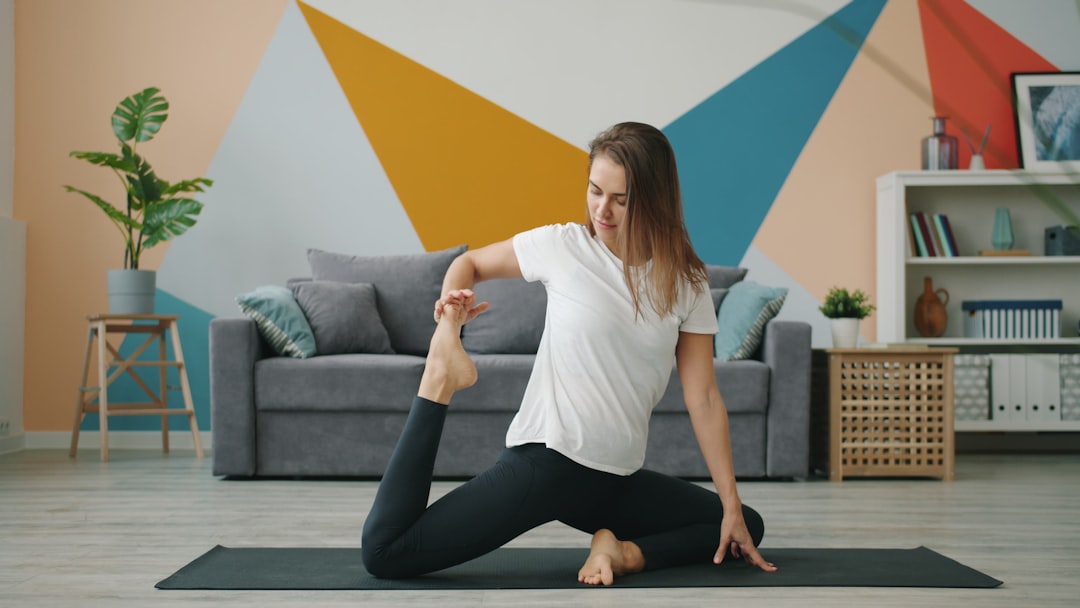
For many of us over 50, having that support can mean a lot more than we let on. A number of traditional pilates workouts happen on the floor, and getting down to the floor and back up 20 times during a single workout can be its own workout, and not necessarily the good kind if your knees are protesting.
With wall pilates, most exercises occur either standing or leaning against the wall, so you get the core strength, glute strength and posture benefits without needing to continually go down and come up.
This ten-minute routine does require some clear wall space, but no special equipment except bare feet or grippy socks. Take your time moving through each portion, because in pilates, slower is harder, and harder is where it counts. Breathe out when applying effort. If you experience any pinching or discomfort, simply bypass that one and continue with the next.
1. Wall roll-down (5 reps)
Position yourself with your back against a solid wall, feet approximately six inches away from it, with soft knees. Slowly peel your spine away from the wall starting at the very top of your head, letting your arms and head hang loosely, until you’re folded as far as comfortable. Then slowly stack yourself back upward again, beginning at the bottom and working your way up.
This stretches the entire spinal column so that instead of functioning as one stiff board it begins to function segment by segment, and it also feels great after a long day of sitting.
2. Wall bridge (10 reps)
Lie flat on your back with your feet positioned firmly against the wall, both knees bent at about 90 degrees. Push through your feet while peeling your hips up off the floor, briefly squeeze your glutes at the peak for about one breath, then slowly lower down, vertebra by vertebra, until you reach the starting position. Your hamstrings and glutes do the heavy lifting here, protecting your lower back while giving you power for climbing hills and stairs.
3. Wall push-up (10 reps)
Stand facing the wall, placing both hands flat on it at shoulder height and slightly wider than your shoulders, feet far enough back that an imaginary straight line runs from head to heels. Bend your elbows, bringing your chest toward the wall, then extend, pushing back to the original position, maintaining full-body rigidness like a plank throughout, because if you sag at the hips during the movement, it stops being a push-up and starts becoming leaning. To add difficulty, walk your feet farther from the wall.
4. Wall sit with arm raises (30 seconds)
Slide downward along the wall so your thighs rest anywhere between chair and squat, based on how much your knees accept, with your knees tracking over your ankles. While holding there and keeping your lower back pressed into the wall, raise both arms slowly overhead and return them slowly to the previous position. Your thighs will start weighing in around second fifteen. That’s the exercise.
5. Marching bridge (10 total)
Return to the bridge position, feet on the wall, hips lifted using that glute and hamstring strength. Keeping your hips as level and even as possible, raise one foot several inches from the wall, place it back in its original position, and repeat the process with the other leg. Keep the side-to-side hip movement minimal throughout, because when you do, you are engaging the deep core muscles, which translates directly into better balance.
6. Standing side leg lifts (10 per side)
Stand sideways to the wall with one hand on it, for stabilizing only. Sweep your outside leg outward at an angle away from your body while maintaining flexion in the foot, returning it without touching the ground between repetitions. These strengthen the muscles along the sides of the pelvis responsible for maintaining stability during walking, and weakness here is behind a large share of the hip and knee pain experienced by women our age.
7. Wall calf raises (15 reps)
Face the wall, fingers resting lightly on it as a balancing point only. Rise onto the balls of your feet, pause a brief moment at the top, and lower slowly, taking the same amount of time coming down that you took going up. The slow lowering builds calves faster than quick bouncing ever will, and strong calves help ankle stability through every step.
8. Wall angel finish (5 slow reps)
Finish standing against the wall, arms forming a goalpost shape with the backs of your hands reaching toward the wall. Gradually slide your arms upward toward a V formation and return back down to the goalpost shape, continuing to remain the closest possible distance to the wall. Almost nobody’s hands touch the wall the whole way, so don’t chase perfect, because the reaching is what opens up a chest and shoulders that spend all day rounded forward.
How to use this
Ten minutes, once a day, and consistency trumps intensity by a wide margin. Attach the routine to something you already do, because the sequence you perform while the coffee brews will outlast any workout plan built on motivation. Within a couple of weeks the wall sit gets longer and the push-ups get easier, and you’ll stand noticeably taller, which people tend to notice before anything else changes.
The wall’s right there. It’s been holding your framed photos this whole time, and it’s ready for a promotion.