Why Women Over 60 Are Ditching Cardio for This Instead

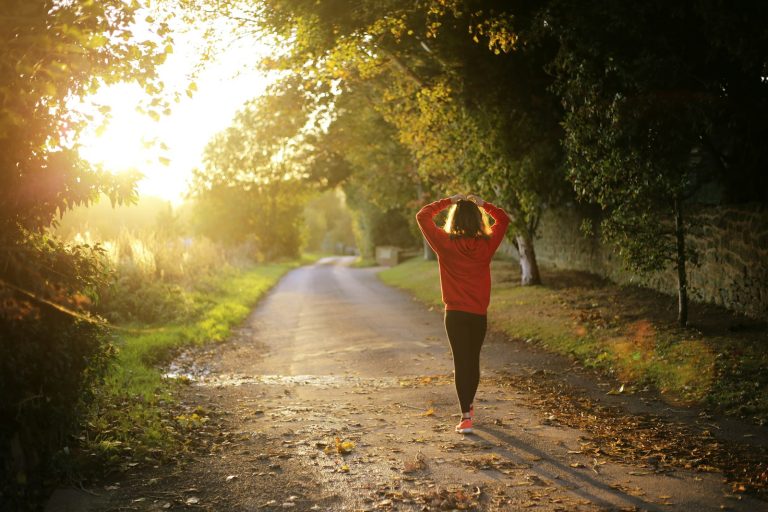
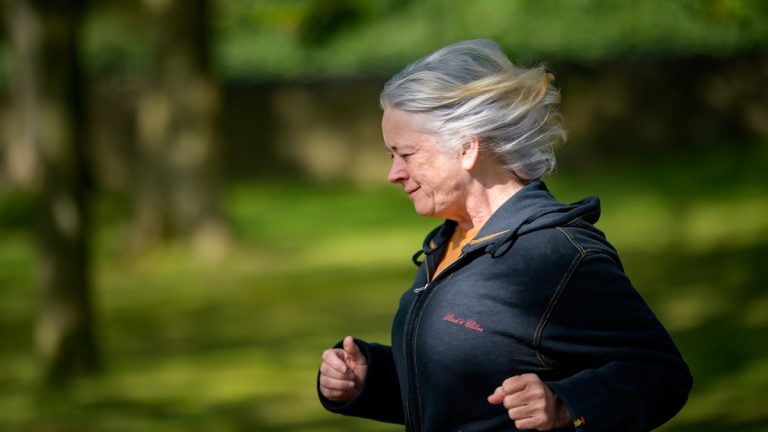
For decades, the default women’s workout was some version of cardio: step class, the treadmill, spin, aerobics.
Cardio is great for your heart, and for plenty of other things too. But another kind of workout is starting to gain popularity among women, including women over 60: strength training.
Strength training itself is nothing new. But in previous decades, many women were discouraged from lifting weights, out of a fear that it might make them “bulky”.
These days it’s clear that resistance training is unlikely to make you bulk out, unless you’re actively trying to bodybuild (in which case, good for you!). Instead, it’ll help you maintain muscle mass, support bone strength, and reduce your risk of falls and fractures.
This isn’t to say that cardio is bad. It’s an excellent form of exercise for cardiovascular health, and any form of exercise is better than no exercise. But there’s a good reason why strength training is having a moment among women over 60.
What Exactly Is Strength Training?
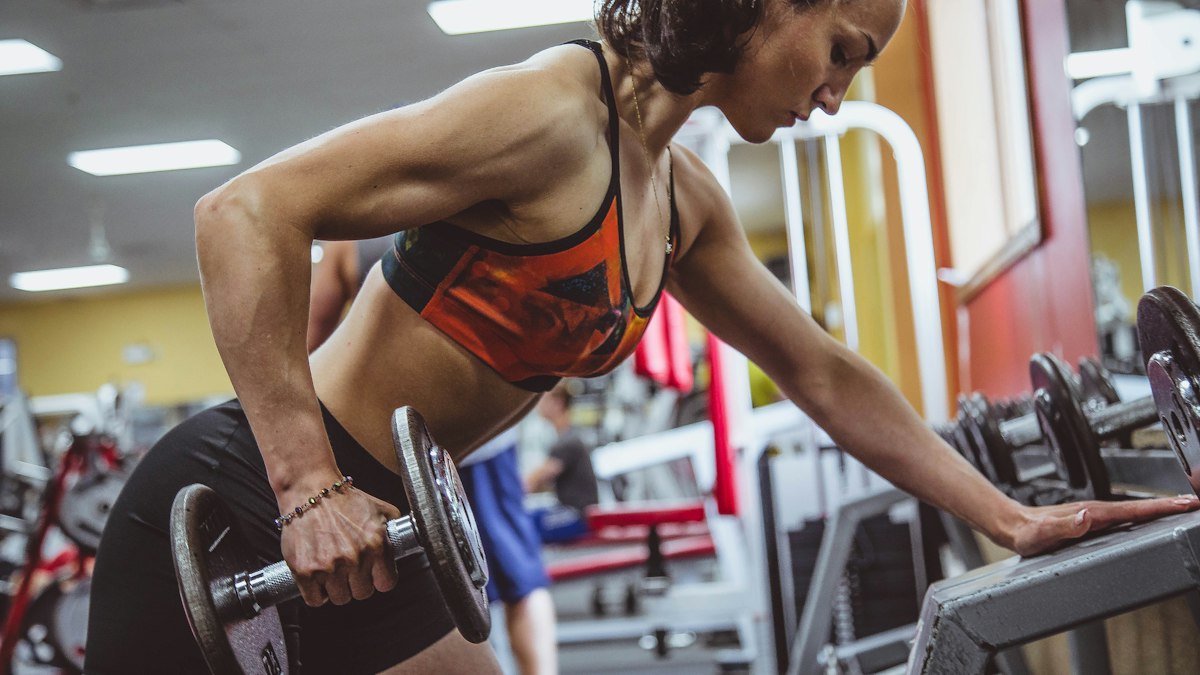
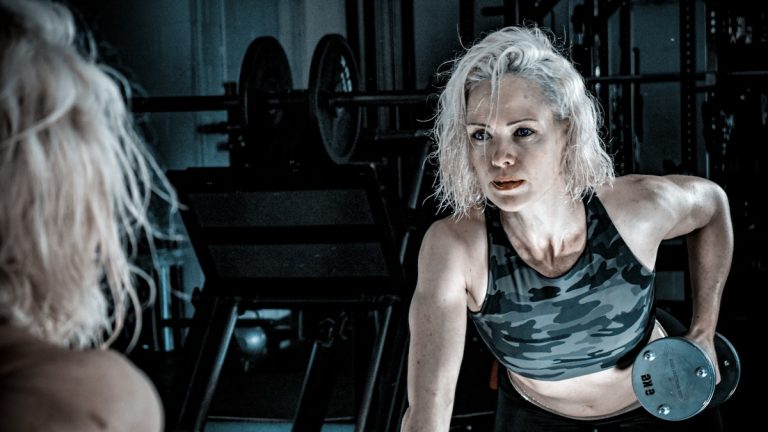
Strength training, also called resistance training, is about working your muscles against some form of resistance, like a weight. You’re basically asking your muscles to work harder than they usually do, which makes them get stronger over time.
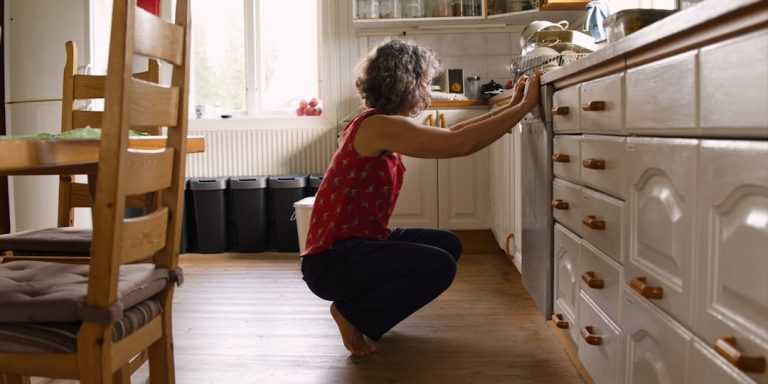
Most people think about “strength training” as a guy deadlifting a heavy barbell in the gym. But it can look many other ways. The resistance could be your own bodyweight, a resistance band, a dumbbell, a kettlebell, a gym machine… the possibilities are endless.
Resistance training is a different kind of challenge than cardio, which is mostly a workout for your heart and lungs. Strength training targets your muscles directly.
Why is Strength Training So Good for Women Over 60?
While anyone can benefit from strength training, there are a couple of reasons why women over 60 should seriously consider adding it to their routine.
Prevents Muscle Loss
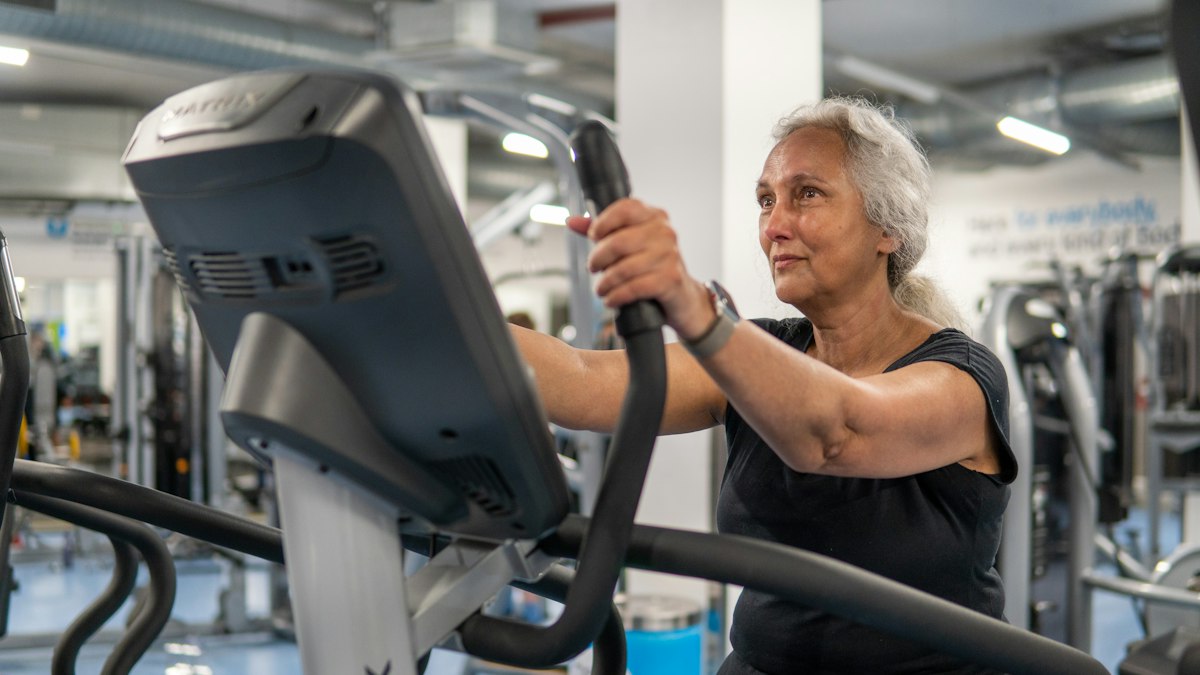
You may already know that you lose muscle as you age. You might not realize that it starts earlier than most people think — often around 30. According to Cleveland Clinic data, most people lose muscle at a rate of roughly 3% to 8% per decade.
It’s not just the size of your muscles that counts, but the strength. Research shows that strength disappears two to five times faster than muscle size does, which is why your arms can look about the same as a decade ago but feel far weaker.
Weaker muscles are linked with a higher risk of falls and a higher risk of dying earlier, independent of other health factors.
Strength training can help keep your muscles strong even when time is working against you. While you still may lose muscle, you’ll lose it faster if you don’t do any resistance training.
Promotes bone health
Bone loses density with age too, especially for women — and it’s fastest in the years right around menopause. Plenty of women don’t realize that it’s an issue until they’re diagnosed with osteopenia or osteoporosis.
For years, women with low bone density were told to avoid strength training or intense exercise, out of a reasonable-sounding fear that heavy lifting could cause a fracture.
But research suggests otherwise. A clinical study called the LIFTMOR trial found that postmenopausal women with low bone mass did eight months of closely supervised, heavy resistance training, while a control group did gentle exercise.
Nobody in the heavy lifting group was injured. But their bone density improved. In comparison, the gentle exercise group lost bone density.
Why exactly does strength training improve bone density? It’s a principle called Wolff’s law. When you apply some force to bone tissue, it remodels itself, becoming stronger over time.
Reduces Falls and Fractures
Falls and trips can be pretty dangerous as you age, partly because weaker bone density means you’re more prone to fractures.
Catching yourself when you trip on a curb isn’t really about having fast reflexes — your strength also matters here.
A 2025 review looked at how strength- and balance-based exercises can prevent falls in older adults. The review, which looked at 27 trials, found that these training programs reduced falls by 20% to 45% across studies.
It’s worth investing in strength training for this reason alone. A fracture can have a serious effect on your quality of life — think hospital stays, medical bills, months of rehab, and seriously reduced mobility.
Improves Grip Strength (and Longevity)
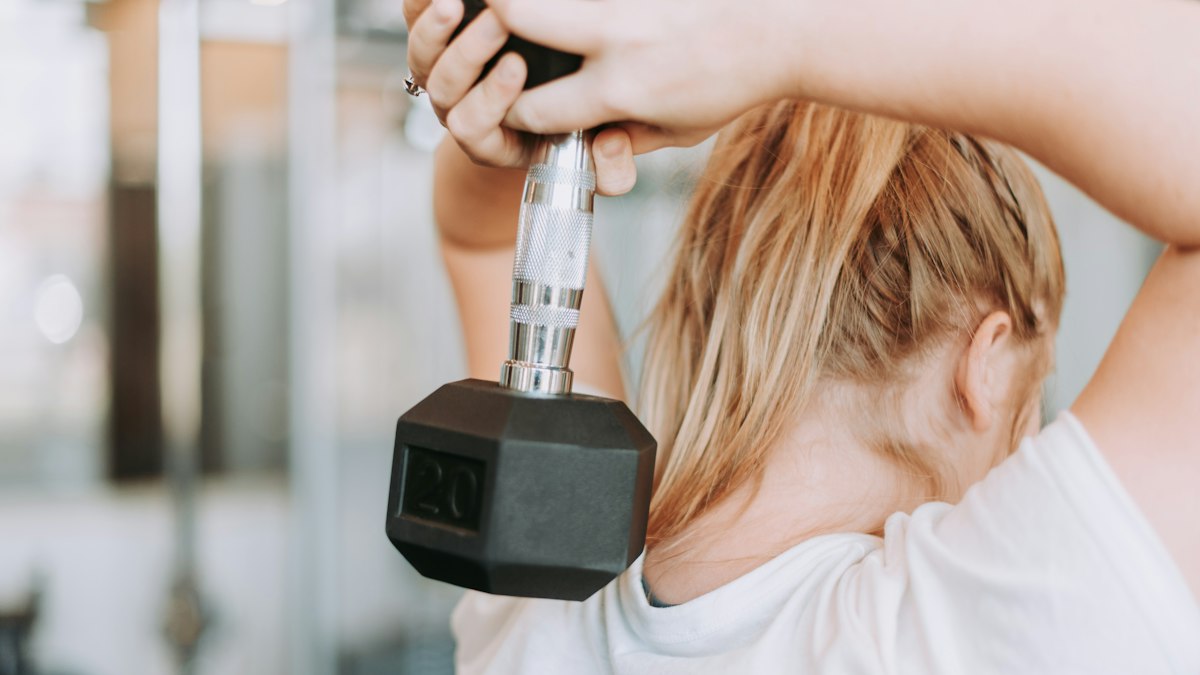
This sounds strange, but a hand squeeze can predict how long you’ll live.
The PURE study, which followed more than 140,000 adults across 17 countries, illustrated this link. Every 11-pound drop in grip strength was associated with a 16% higher risk of dying during the study period.
In fact, the study found that grip strength was a stronger predictor than blood pressure.
Why grip strength, though? Basically, it’s an indicator of overall muscle health. And for the reasons mentioned above, muscle strength is important for your well-being, in general.
The good news is that your grip strength — like other types of strength — can improve with training. A meta-analysis of 12 randomized trials, which specifically looked at older women with sarcopenia, found that resistance training improved handgrip strength.
Supports Mental Health
While this applies to all forms of exercise, it’s worth mentioning.
A systematic review looked at the effects of strength training on older adults. Several studies suggested that resistance training can improve the symptoms of depression and anxiety, both in people with diagnosed disorders and without.
You don’t even have to hit the gym every day to feel the benefits.
How to Get Started With Strength Training After 60
No need to walk into a gym and pick up a barbell on day one — you can reap the benefits of strength training while gently easing into a routine.
- While lifting heavy is great, start small and slow. Focus on getting your form right before adding extra weight.
- To help with form, start with bodyweight moves, a resistance band, or gym machines, which guide the movement for you and take some of the guesswork out early on.
- Twice or three times a week is genuinely enough. The LIFTMOR results came from a twice-weekly program, not a daily one.
- Progress by adding small amounts of weight or a few extra reps over time.
Pro tip: consider working with a trainer or physical therapist at first, even if it’s only for a few sessions. One session with a trainer or physical therapist to get your form right is worth more than months of guessing alone, and many gyms offer a free consultation.

Should You Actually Ditch Cardio?
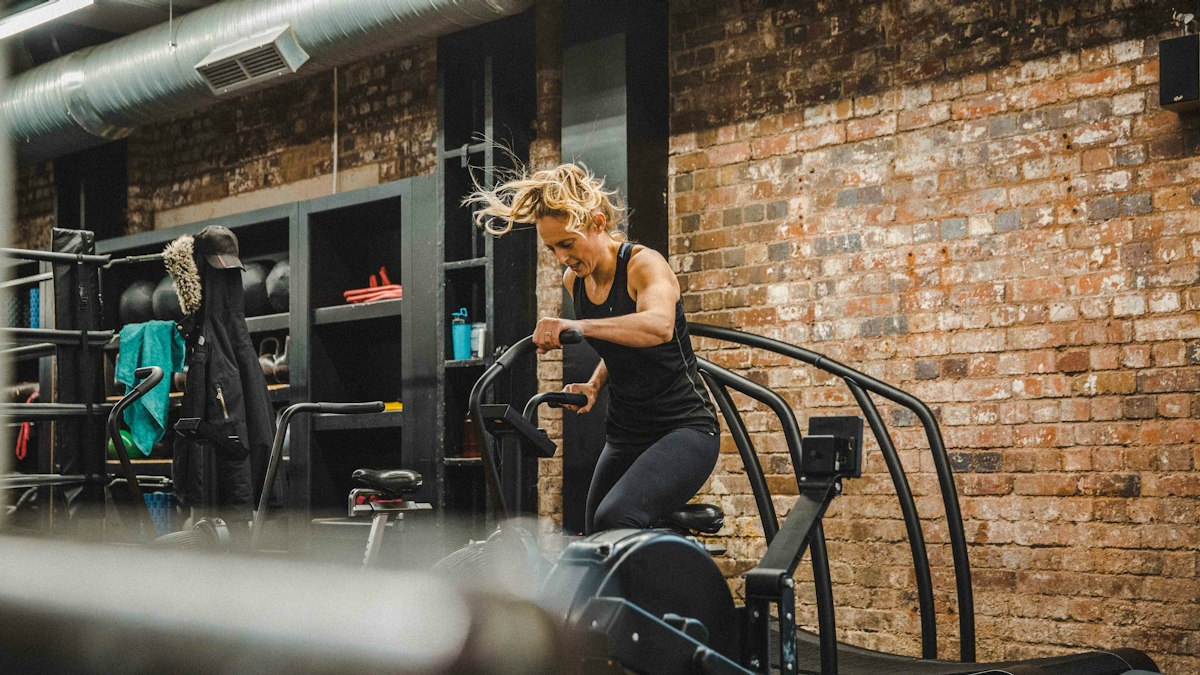
No. But if you tend to hit the treadmill several times a week, swapping one or two sessions with a half-hour in the weight room can be a great idea.
It’s not a case of “cardio bad, lifting good.” Your heart still needs cardio, and it can make a positive difference to your overall health. The better approach is to combine the two.
Even the American Heart Association recommends both. Their own guidelines call for 150 minutes of moderate cardio a week, or 75 if it’s vigorous, plus muscle-strengthening activity at least twice a week.
Wellness culture loves a black-and-white answer, but this isn’t one of them. Try a bit of cardio and a bit of strength training. And remember, any form of exercise is better than zero exercise.

It’s Not Too Late to Start
For decades, women were told to avoid weights in case it made them “bulky.” But regular resistance training is likely to make you healthier, not bulkier.
Stronger bones, fewer fractures, and a longer life are three good reasons to pick up a resistance band or dumbbell twice a week. You don’t need to ditch your morning walks or aerobics class — just add a little resistance to your routine.
Lastly, remember that it’s never too late to start. If you’re over 60 and you’ve never lifted anything in your life, you’re not behind. In fact, you’re getting started at the exact point the research says it matters most.