9 Healthy Breakfast Ideas for Women Over 40

Breakfast is where I win or lose the whole day, and I suspect I’m not alone in that. Get 25 to 30 grams of protein into the first meal and everything downstream behaves: I’m not circling the kitchen at 10:30, lunch is a decision instead of an emergency, and that steady, fed feeling carries into the afternoon. Skimp with toast and jam, and by mid-morning I’m negotiating with a sleeve of crackers.
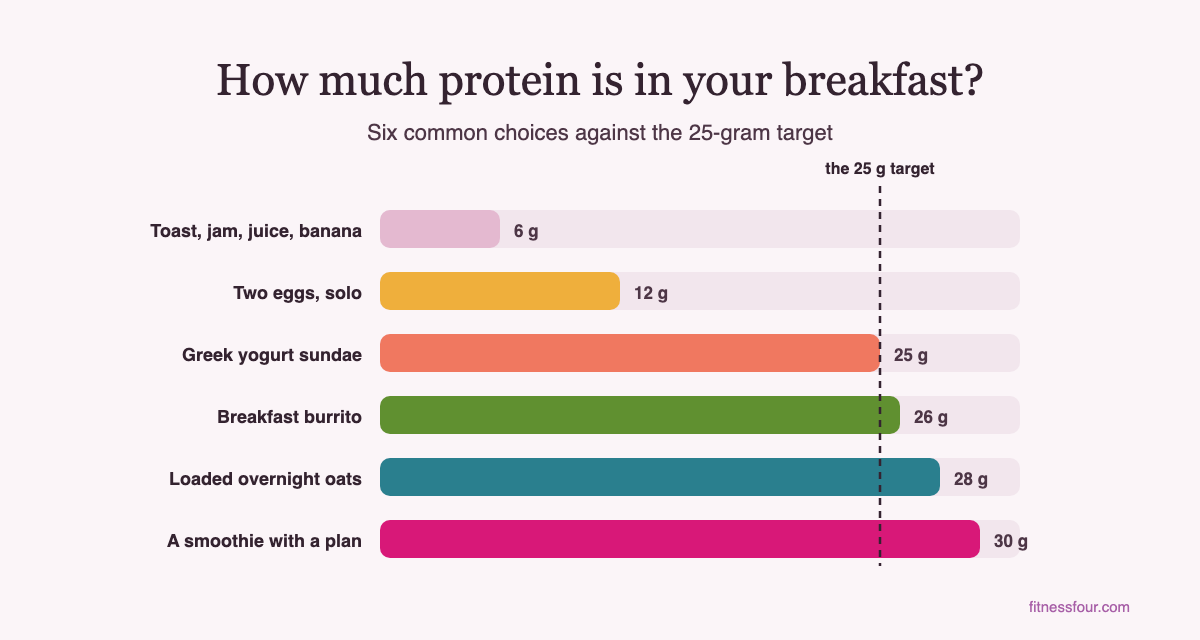
That protein number isn’t me being bossy, either. After 50, our bodies get worse at turning the protein we eat into muscle, a thing researchers call anabolic resistance, which is a fancy way of saying the same breakfast that maintained your muscle at 35 no longer gets it done at 60. The fix is front-loading, aiming for a solid dose of protein at every meal instead of saving it all for a big dinner, and breakfast is where most of us fall shortest. The classic American breakfast, toast, cereal, juice, a banana, is a lovely bowl of carbohydrates wearing a health halo, and it delivers maybe 6 grams.
So here are nine breakfasts that actually hit the mark, none of which require cooking skills beyond what a Tuesday morning can handle, and all of which pass my personal test, which is that healthy food should still taste like a treat.
1. The Greek yogurt sundae
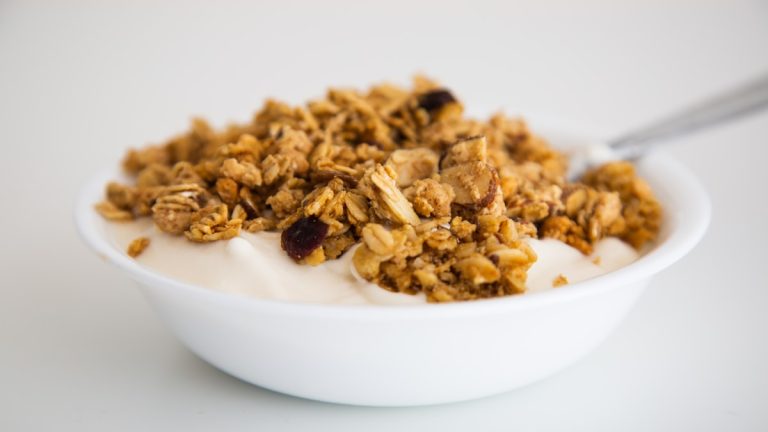
Start with a cup of plain full-fat or 2% Greek yogurt, which lands around 20 grams of protein all by itself, then build it like dessert: a handful of berries, a spoon of chopped walnuts, a drizzle of honey, maybe some granola for crunch if you keep the portion polite. You’re at 25 grams before you’ve tried, plus calcium your bones are actively requesting these days.
Two notes from my kitchen. Buy plain and sweeten it yourself, because the fruit-on-the-bottom cups run half the protein and triple the sugar. And if plain Greek yogurt tastes like sour spackle to you, try a different brand before giving up on the category, they vary wildly, and Fage and Chobani in particular don’t taste like punishment.
2. Cottage cheese toast, sweet or savory
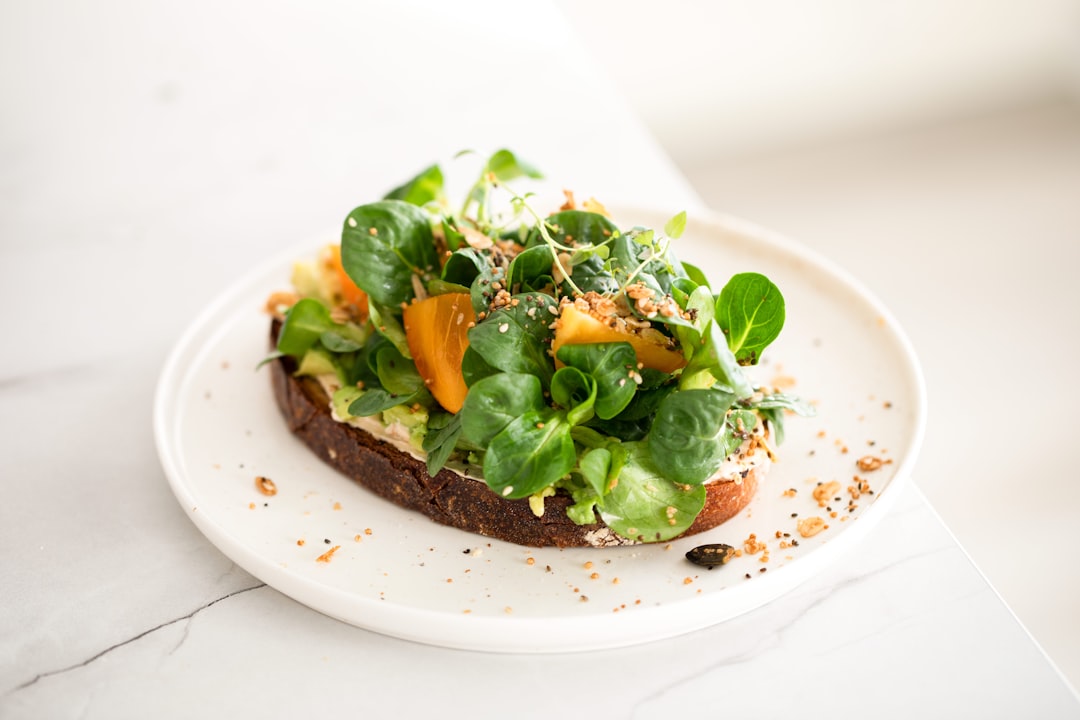
I’ve already written a whole love letter to cottage cheese, so I’ll keep this short: half a cup carries about 13 grams of protein, and it has become my favorite toast topping in either direction. Savory means a thick layer on good sourdough with sliced tomato, everything seasoning, and black pepper. Sweet means the same toast with sliced peaches or berries and a little cinnamon, and it eats like cheesecake that’s somehow good for you.
Put an egg on the savory version or a spoon of hemp seeds on the sweet one and you clear 25 grams without any of it feeling like a supplement routine. Whipped cottage cheese, if your store carries it, converts even the curd-averse.
3. Eggs are back, they just need backup
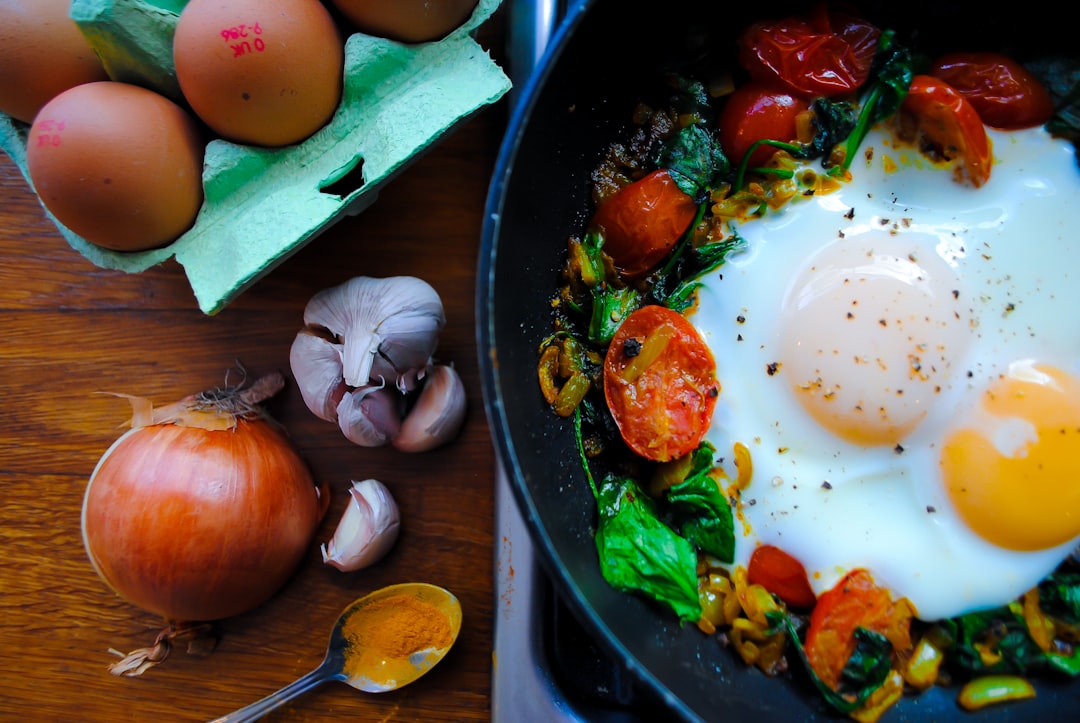
Eggs spent a couple of decades on the nutrition naughty list and have been fully pardoned, for most of us, with current research showing an egg or two a day fits fine in a heart-healthy diet, though anyone with specific cholesterol marching orders from their doctor should follow those. They bring more than protein to the table too, including choline, a nutrient tied to brain function that most of us run short on.
The catch is that two eggs alone are only about 12 grams of protein, which surprises people, so eggs need backup. Scramble two with a big handful of spinach and a slice of cheese, put them on whole grain toast, and you’re in the mid-20s. Or do what I do on busy weeks: bake a dozen egg muffins with vegetables and feta on Sunday, and breakfast becomes 90 seconds of microwave all week.
4. Overnight oats with a protein upgrade
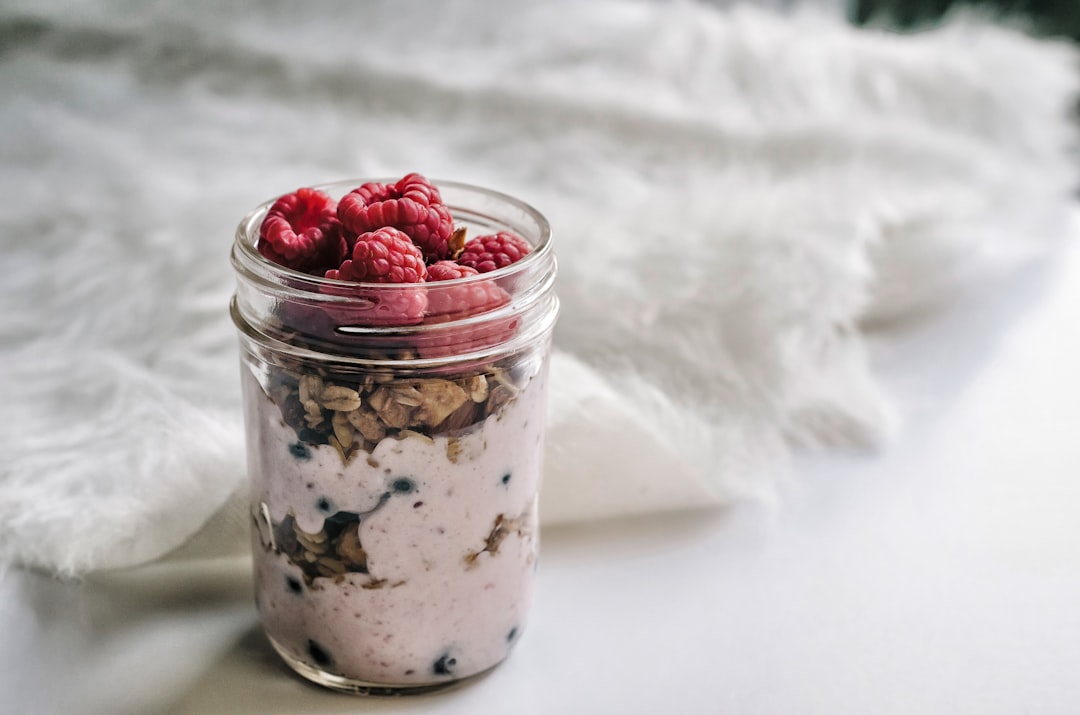
Plain oatmeal is fine, but it’s a 6-gram breakfast dressed up as a virtuous one, and it needs reinforcements. The overnight version makes that easy: half a cup of oats, milk, a big spoonful of Greek yogurt, a tablespoon of chia seeds, stirred in a jar and left in the fridge while you sleep. The oats do their own cooking, and the additions triple the protein.
A scoop of protein powder takes it near 30 grams if you like it, vanilla plays nicest with oats, or skip the powder and add more yogurt and a spoon of peanut butter instead. Top with frozen berries the night before and they thaw into a jammy layer by morning. I make three jars on Sunday, and future me is grateful every single time.
5. A smoothie with an actual plan
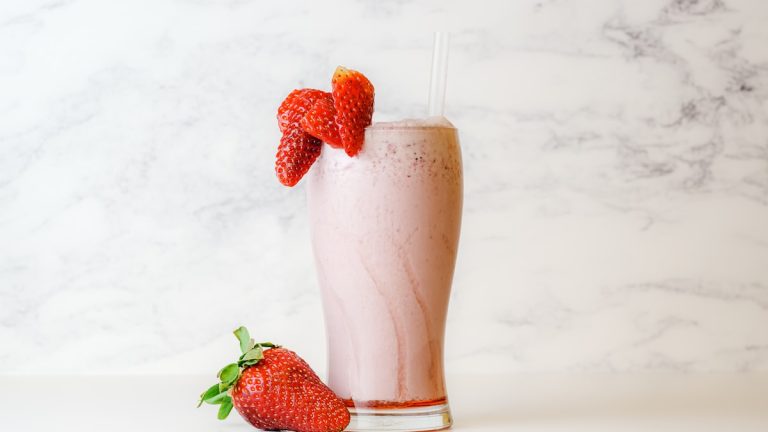
A smoothie can be a 30-gram triumph or a 4-gram juice with better marketing, and the difference is whether protein got invited. My template: a cup of milk or soy milk, a big scoop of Greek yogurt or protein powder, a handful of frozen fruit, a handful of spinach that you will not taste, I promise, and a spoonful of peanut butter or chia to keep you full past mid-morning.
I’ve shared full recipes elsewhere on this site, so here I’ll just say the frozen fruit matters more than people think, because it makes the whole thing cold and thick enough to feel like a milkshake, and feeling like a milkshake is the reason you’ll still be making these in February.
6. Smoked salmon on whole grain, when you’re feeling fancy
Three ounces of smoked salmon runs about 15 grams of protein, and stacked on whole grain toast with a schmear of cream cheese or mashed avocado, cucumber, and a squeeze of lemon, it’s the kind of breakfast that makes a regular Wednesday feel like a hotel. Salmon also brings omega-3 fats, which most of us don’t get enough of and which keep earning good research for hearts and brains alike.
Yes, it costs more than eggs. It also costs less than the cafe breakfast it replaces, and the packages keep for weeks unopened in the fridge, so I treat it as my standing Saturday order from my own kitchen.
7. The savory leftovers breakfast
Somewhere along the way we all agreed breakfast food had to be its own category, sweet, beige, and boxed, and I’d like to formally dissent. Last night’s salmon flaked over greens, leftover chili with a fried egg on top, rice and beans with avocado and salsa: these are outstanding breakfasts, usually the highest-protein option in the whole house, and they require zero new cooking at the hour when your patience is thinnest.
Cultures all over the world eat savory, dinner-shaped breakfasts on purpose, and once I gave myself permission to join them, my mid-morning crashes mostly disappeared. If it was good enough to cook last night, it’s good enough at 8am.
8. Chia pudding that thinks it’s dessert
Three tablespoons of chia seeds soaked overnight in a cup of milk turns into a tapioca-like pudding, and the seeds punch far above their size: fiber, omega-3s, calcium, and a respectable protein start that milk and toppings build on. Make it with soy milk, which is the sneaky protein champion of the milk case at 7 to 8 grams a cup, add a dollop of yogurt and some mango or berries, and you’re in the low 20s with a breakfast that looks like a parfait from a hotel brunch.
Stir twice in the first ten minutes of soaking or you’ll get a clump, learn from my clumps, and sweeten with a little maple syrup at serving time so you control the sugar instead of a package doing it for you.
9. The breakfast burrito you built on Sunday
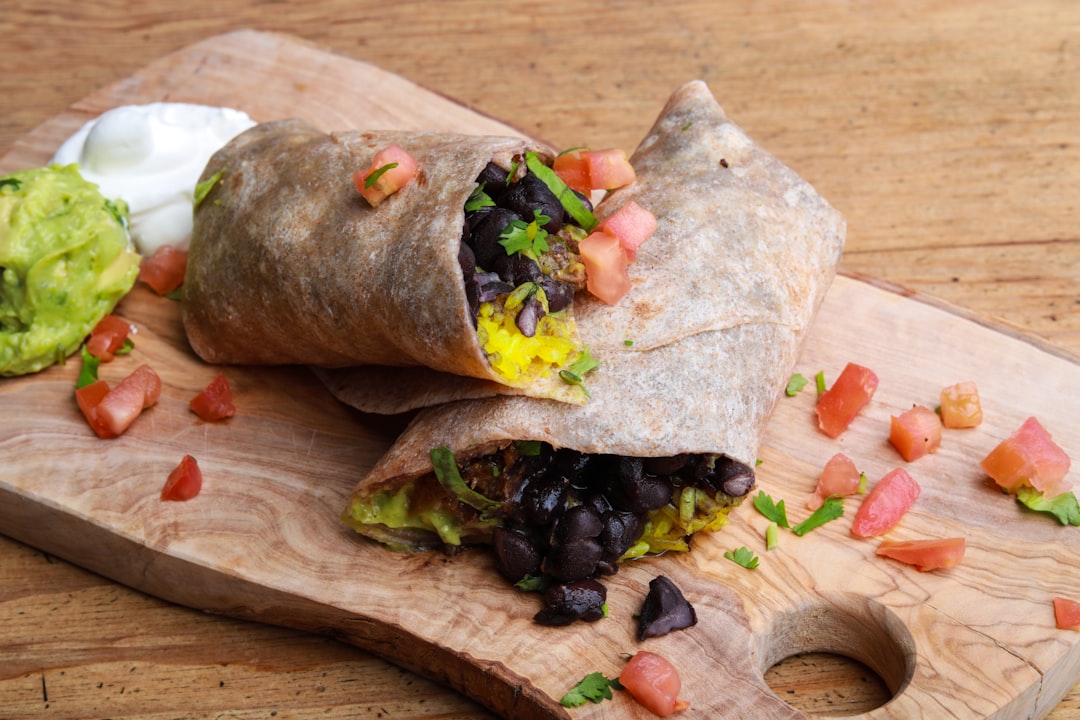
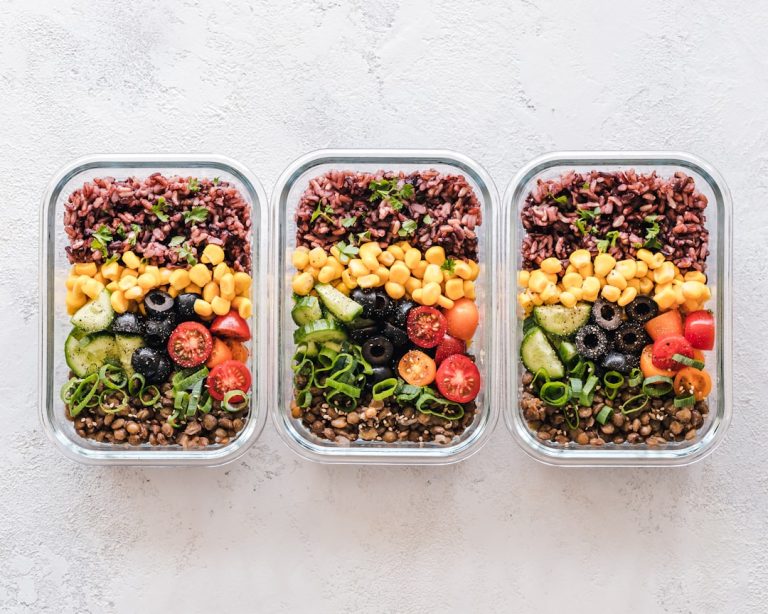
Scrambled eggs, black beans, cheese, and salsa in a whole wheat tortilla: that combination clears 25 grams of protein, brings the fiber breakfast almost never has, and freezes like a dream. Make six on Sunday, wrap them in foil, and a weekday breakfast becomes two minutes in the microwave, which is faster than the drive-through and roughly four dollars cheaper every single morning.
The beans are the underrated player here, and not just for protein. Fiber intake drops with age right as it matters more, for cholesterol, blood sugar, and the digestive reliability nobody writes greeting cards about, and beans at breakfast are the easiest fiber I know of that doesn’t taste like obligation.
Making it stick without thinking about it
Nine options is really three habits: keep the fridge stocked with the workhorses, Greek yogurt, cottage cheese, eggs, milk, do ten minutes of Sunday prep so weekday mornings require no decisions, and check any breakfast against the 25-gram bar before you call it done. A food scale and a label will teach you the numbers in about a week, and after that you’ll eyeball it forever.
And keep the treat rule in force. Every breakfast on this list tastes like something you’d choose on vacation, because that’s the entire trick to eating well after 40: the healthy choice has to beat the pastry on its own merits at least most mornings, or February wins. A cheesecake-adjacent toast that also feeds your muscles is not a compromise, it’s just breakfast done right.