Superfoods That Help Older Women Age Backwards

In my late 40s, I realized that everything I ate was showing up on my face very fast, and it wasn’t in a good way. I remember after a weekend of salty takeout and wine, for three days after, I looked tired. No amount of eye creams were going to work with that. So, I started paying attention to the foods that seemed to put the brakes on the whole process.
And it turns out there’s a lot more scientific evidence supporting this than what your local beauty counter will tell you.
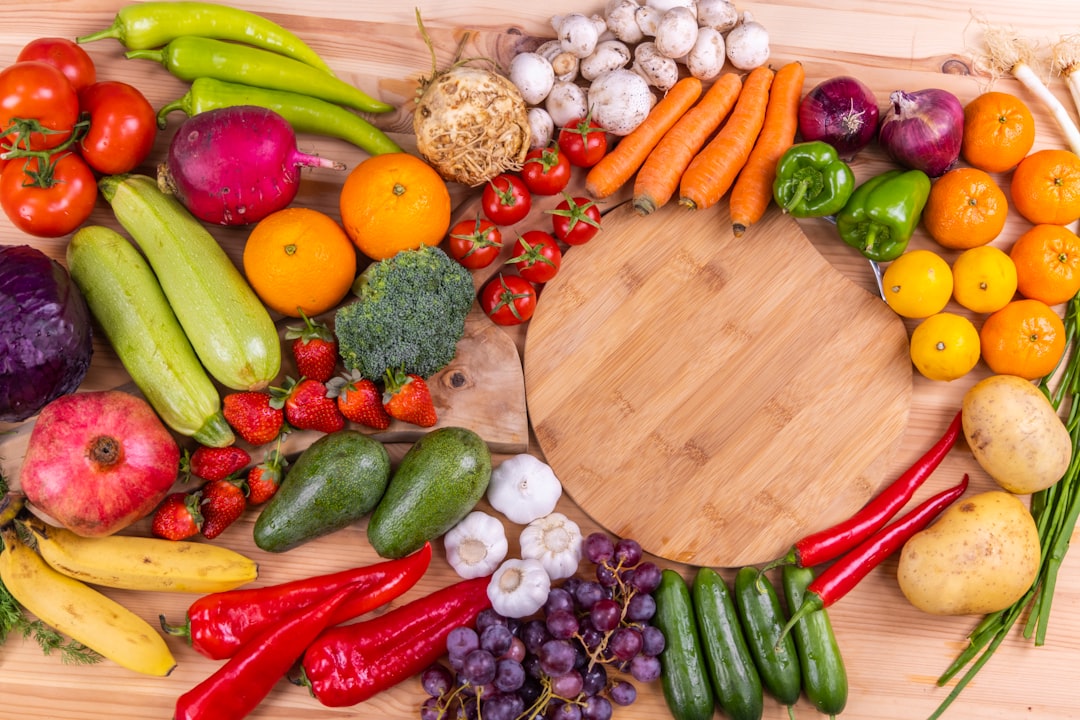
Before we get into the foods, let me cover one quick science point, because it explains why this becomes much more relevant post-menopause. When estrogen levels drop during menopause, collagen production declines with them, and dermatologists estimate women lose a big chunk of their skin’s collagen in just the first five years after menopause. And as we age, our cells experience more oxidative stress, the normal wear-and-tear caused by unstable molecules known as free radicals.
We can’t eliminate this entirely, but these foods either combat oxidative stress directly or provide your body with the raw materials needed to replace what’s been lost. None of these foods are exotic, and many are likely at your local grocery today.
Blueberries
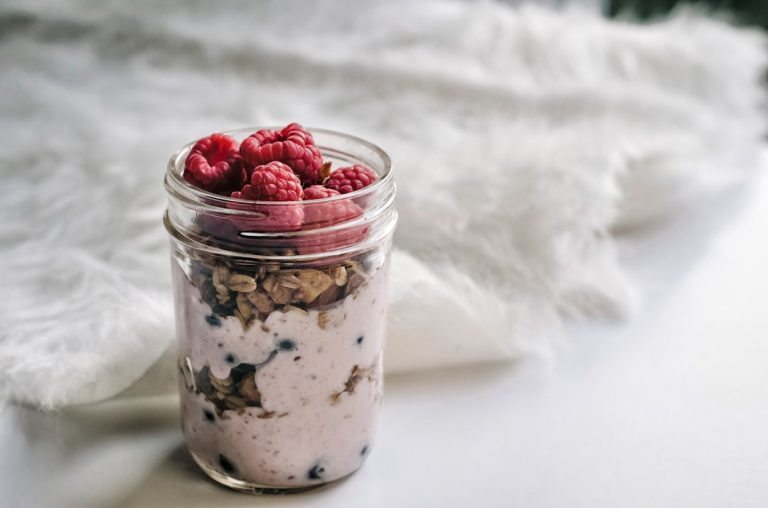
If I had to pick one food from this list to eat every single day of the year, hands down it would be blueberries. They contain an abundance of anthocyanins, which are deep blue-purple pigments that both combat oxidative stress AND protect against UV damage from within the skin. Most studies reference consuming about 1/2 cup per day, and that’s relatively easy because they’re one of the few “good for you” treats. I mix them into yogurt or oatmeal, and sometimes eat them straight from the container like popcorn.
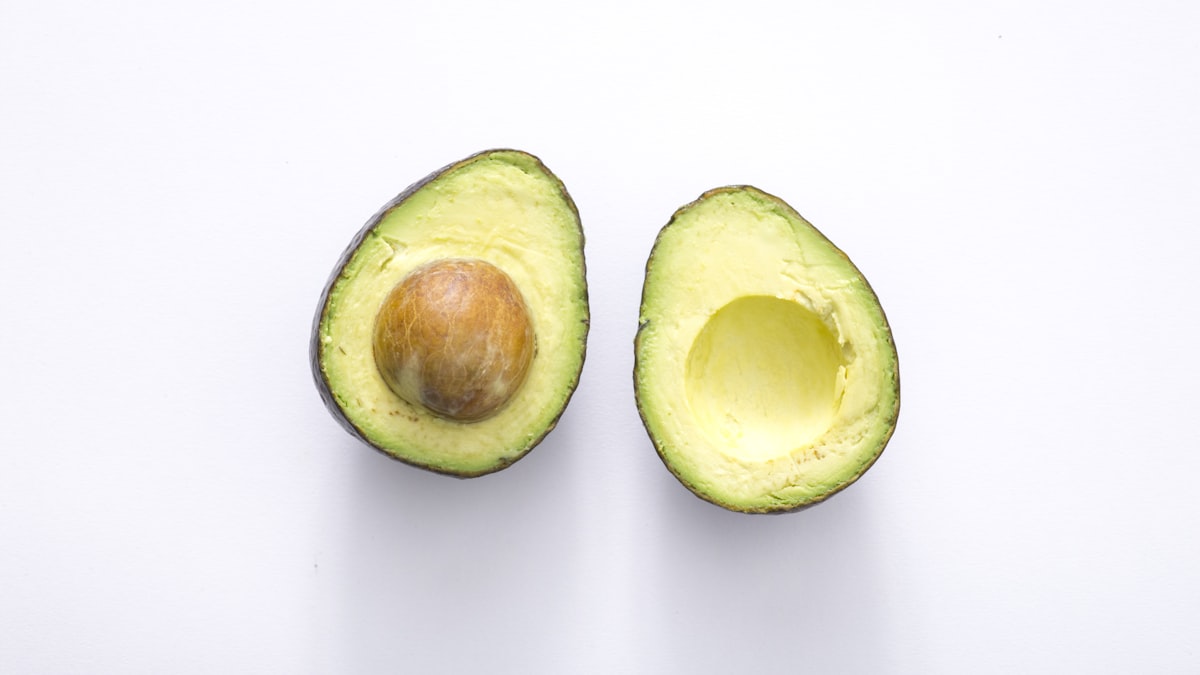
Avocados
Avocados made this list for their monounsaturated fat, vitamin E, and lutein, all of which your skin uses to stay soft and elastic. There was even a study in women where eating one avocado per day for eight weeks resulted in measurable firming of facial skin, which sounds like an excellent ROI on guacamole. One avocado every other day is sufficient if an entire daily serving seems too large (or if current prices make you cringe). Slice one in half, put half on toast and half in a salad… done.
Sweet potatoes
Sweet potatoes are among the richest sources of beta-carotene found in common dietary staples, and once eaten, beta-carotene gets converted into vitamin A, which is essentially what skin relies upon for cell turnover as well as elasticity. Vitamin A provides a warm glow effect on skin too; research indicates that eating carotenoid-rich foods produces a subtle radiant appearance perceived as youthful.
Eating one sweet potato every other day should meet requirements, and preparing them couldn’t be simpler: poke holes throughout one using a fork, nuke it for five minutes, sprinkle butter and salt atop… dinner’s halfway done.
Chia seeds
Chia seeds offer omega-3 fatty acids, fiber, AND protein all within a single spoonful… each becoming increasingly important as we grow older. Omega-3s reduce inflammation, fiber regulates digestion and blood sugar stability, and protein enables you to keep your muscle mass. Aim for 1-2 tablespoons a day, easily incorporated into oatmeal or smoothies, OR create chia pudding prior to bed using almond milk.
Almonds
Almonds represent perhaps the best natural food source of vitamin E, which protects skin cells from damage and helps with regeneration. Researchers even ran a study on postmenopausal women, and the group snacking on almonds daily had measurably fewer and shallower wrinkles after several months than the group that didn’t. A small handful every other day covers it, and their shelf life makes them ideal candidates for lunch bags and desk drawers.
Green tea
Green tea delivers polyphenols, plant-based compounds associated with fighting inflammation and with longevity across numerous studies. Two cups per day is the standard recommendation, and the afternoon may prove a convenient time slot if you’re accustomed to drinking coffee in the morning (as I am). It has enough caffeine to pull you through the 3pm slump without wrecking your sleep the way a late coffee can.
Tomatoes
Tomatoes are among the best everyday sources of lycopene, an antioxidant that helps protect skin against premature aging, including UV-induced damage. One medium tomato daily meets requirements, and interestingly, processed tomatoes (canned, paste, sauce) yield greater amounts of absorbable lycopene than fresh ones, so Sunday pasta sauce counts toward your intake.
Kiwi
Despite being smaller than an orange, one kiwi still yields as much vitamin C as its larger cousin, and vitamin C is what enables your body to produce collagen. Consume two kiwis daily. Slice them in half, eat them with a spoon, and skip the peeling.
Dark chocolate
Yes, chocolate made the list… no, it’s not trickery. Dark chocolate above 70% cacao contains flavanols beneficial to circulation and skin hydration, demonstrated by real results over time across various cocoa flavanol studies. The amount is 1-2 squares per day, NOT the full-size bar, which requires self-control beyond the required portion sizes. Buy the good stuff, keep it at home, and enjoy it regularly, like a ritual.
How to easily do this without thinking about it
Looking at nine superfoods listed here can feel like homework, yet it collapses into simple routine actions when practiced consistently. Breakfast completes three items simultaneously if you combine blueberries, kiwi, and chia seeds with yogurt or oatmeal. Lunch and dinner add the avocado, tomato, or sweet potato into meals created anyway. Green tea takes the afternoon snack breaks, and the almonds and dark chocolate become the snack options. None of it requires altering your overall diet, you’re merely adding ingredients to food already being consumed.
No form of nutrition reverses aging literally, regardless of what the packaging says. However, consuming a majority of the foods above most days for a few months results in clearly visible changes within your skin and a noticeable difference in your energy level. These factors equate closely toward feeling “younger,” even if technically nobody is aging backward.