
Best Mattresses for Your Health After 50: What Actually Matters

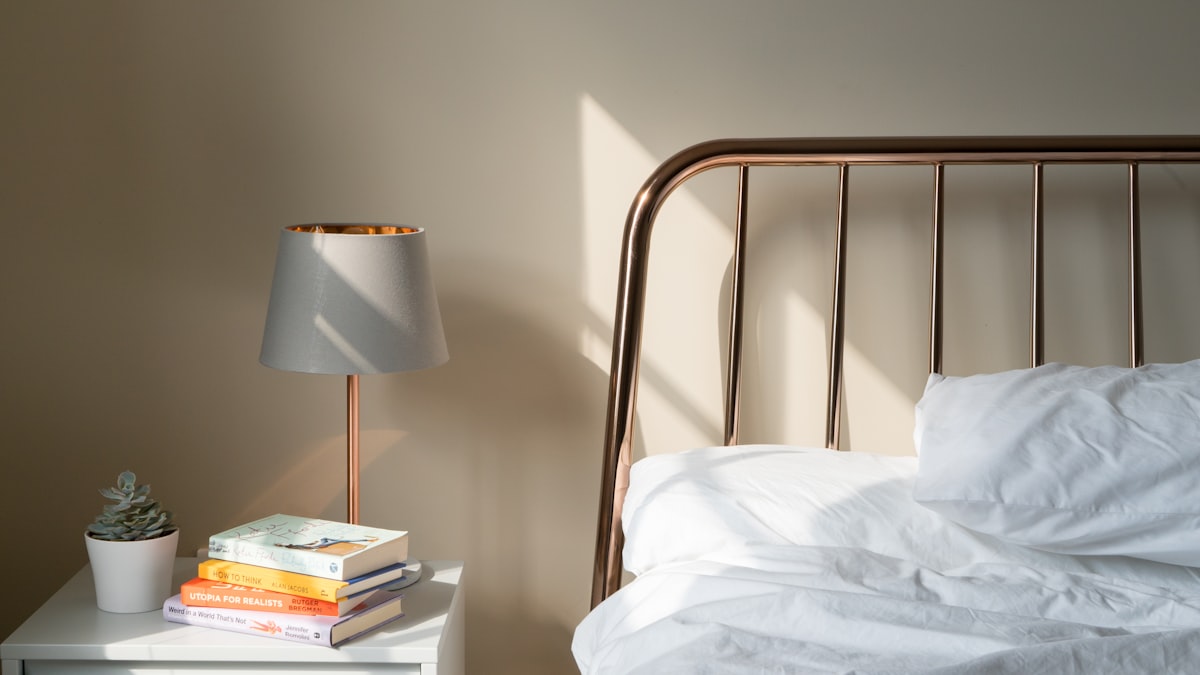
You may wonder whether there is a mattress designed to provide your body the comfort and support it demands after 50, because at some magical number, somewhere around fifty, the mattress goes from being merely furniture to medical equipment. The same bed that was perfect for twenty years begins to show evidence: the hip that hurts until noon, the shoulder you can no longer lie on, those drenched 3am wake-ups, and the slow-motion negotiations required to simply get out of bed.
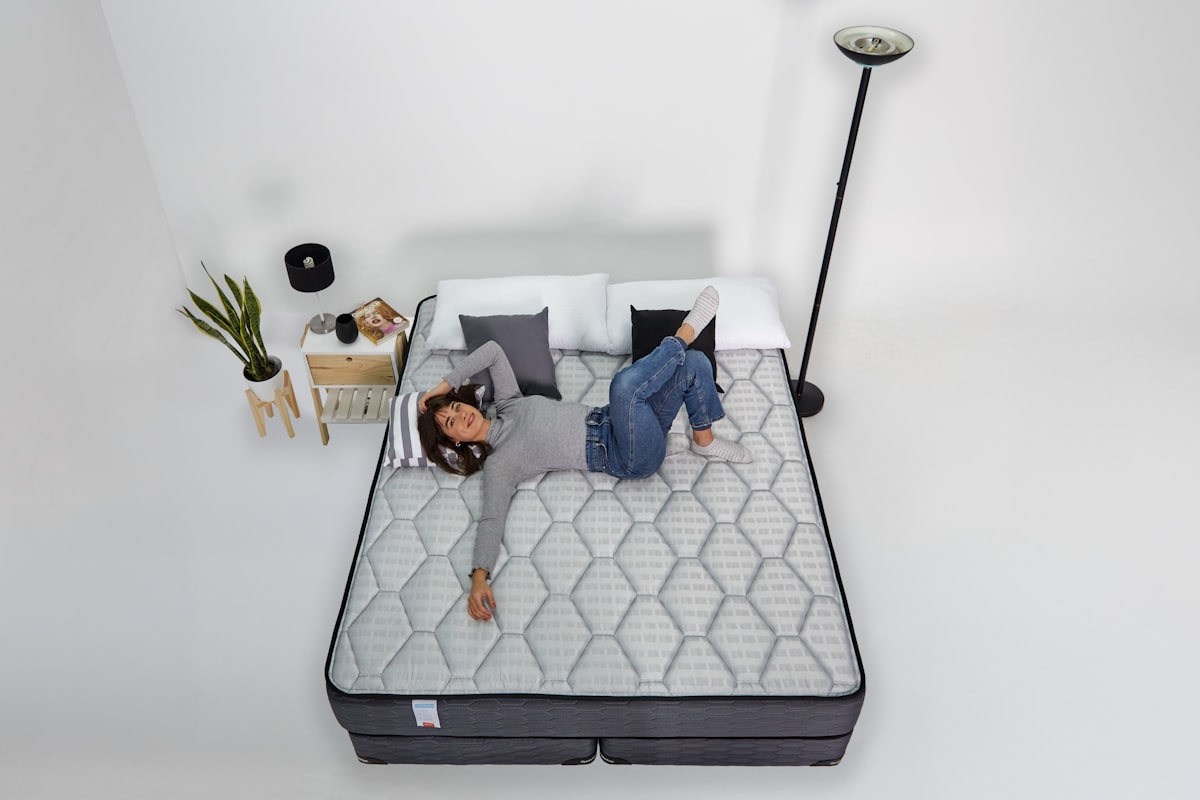
First, full disclosure: this article is not a review roundup. This is a guide to what features to look for based on how you sleep, what hurts, and what the research indicates will help. Since mattress manufacturers create new models every year or two, the framework below will continue to apply regardless of brand name.
The one-question shortcut: how old is your mattress?
Regardless of price point or quality, approximately eight to ten years after purchase, a mattress has generally lost the structural support for which it was purchased. There are two methods for determining whether this applies to you. First, remove all the bedding and observe whether there is an indentation of your body where you sleep.
If so, it’s time. Second, do you always sleep better in hotels than at home? If so, it’s the bed, regardless of how much money you invested in it, and a structurally failing mattress cannot be saved by adding a topper. That hotel test might be the most valuable diagnostic tool in this entire article, and it costs nothing.
Firmness: the myth that won’t die
Your mother probably heard her whole life that a firm bed was good for your back. Researchers have since demonstrated otherwise, and far too many people have been sold far-too-firm beds, especially side sleepers. What you want from a bed is a surface that allows your spine to maintain proper alignment while providing ample room for your greatest masses, hips and shoulders, to comfortably sink in, and medium-firm provides this for most adults, as indicated by the research on back pain.
By sleep position: side sleepers, which includes most women, need sufficient give at both hips and shoulders, so target medium, and if you’re waking with numb arms or sore outer hips, odds are high that your current bed is too firm. Back sleepers do best with surfaces rated medium-firm, receiving enough support that their hips don’t form a hammock shape during the night.
Stomach sleeping is discouraged by spine specialists, but if it’s unavoidable for you, a firmer surface results in less curvature within your lower back throughout the night.
| How you sleep | Aim for | The tell you got it wrong |
|---|---|---|
| On your side (most women) | Medium | Numb arms and sore outer hips mean too firm |
| On your back | Medium-firm | Hips sagging into a hammock shape |
| On your stomach | Firmer | A lower back that over-curves all night |
| Petite, any position | One notch softer than the label | A “medium” that feels like a brick |
Weight also impacts perceived firmness, since lighter individuals perceive the same surface as firmer, which is why petite women often find “medium” labels brick-like and should shop one notch softer than the label suggests.
Aching joints: pressure relief is the feature you are buying
If you wake with joint pain that vanishes upon rising and being active, pressure relief is what should be addressed, and pressure relief stems from the comfort layers: memory foam, latex, or a plush pillow-top above a coil system. Hybrid construction appears best suited for most aging bodies, offering supporting coils underneath for ease of movement, and foam or latex above, which addresses what aging joints require.
Zoned constructions are also worth seeking, as they vary firmness depending on location within the bed, firmer under the midsection and softer at the shoulders, reflecting true spinal alignment requirements.
Night sweats: foam isn’t on your side
If any portion of your night involves tossing off the covers, mattress choice contributes more toward creating or solving that issue than anyone realizes. Dense all-foam beds, memory foam specifically, will trap heat against you like an overly enthusiastic dog. In contrast, anything with coils allows air to flow through it, latex naturally runs cooler than memory foam, and breathable natural covers such as cotton and wool help cool things down further still.
Additional aids include cooling pillows and breathable sheet sets, yet start with a cooler mattress, because a hot one ruins every layer added atop it.
The unmentioned checklist for people over fifty
Edge support isn’t something most of us think about until we need it. It means the perimeter of the mattress has been reinforced, so it doesn’t collapse under your weight when sitting at the edge, which is exactly where you sit to put on socks, and exactly what you push off from each morning to get out of the bed. Cheaply made mattresses tend to fail at their edges first.
Motion isolation matters when sharing a bed, since we wake more easily as we age, and a bed that transfers motion means each roll-over takes a turn waking the other person. Hybrids and foam beds generally perform better than innerspring mattresses regarding motion transfer.
Height matters much more than most realize. When standing next to the bed, its top surface should be around knee level, so no one has to launch themselves off it every time they want to get up. Low platform beds photograph beautifully but hurt older knees terribly.
And adjustable bases have gradually lost their hospital implications and become plain useful tools, assisting with reflux, snoring, swollen ankles, and reading in bed. Many hybrid and foam mattresses work well with adjustable bases, so ask about compatibility prior to purchase.
How to acquire a new one
Buy from someplace offering a long home trial period, preferably at least 90 nights, because ten minutes lying fully dressed on a showroom floor tells you almost nothing regarding actual comfort, and the research indicates people predict very little of their long-term comfort from short tests. It takes approximately two to four weeks before your body adjusts enough for you to judge a new surface, so evaluate any potential purchase based on an entire month rather than a weekend.
Also review the warranty information regarding the sag depth covered, because good ones typically cover dips around an inch, and read the return fine print carefully prior to falling deeply in love.
A good mattress works on your health eight hours per day without any effort on your part. No reps, no recipes, no willpower. Fix the thing you sleep on, and every other habit on this site gets easier, because they all run better on real sleep.