The Cottage Cheese Comeback: 8 High-Protein Ways to Eat It

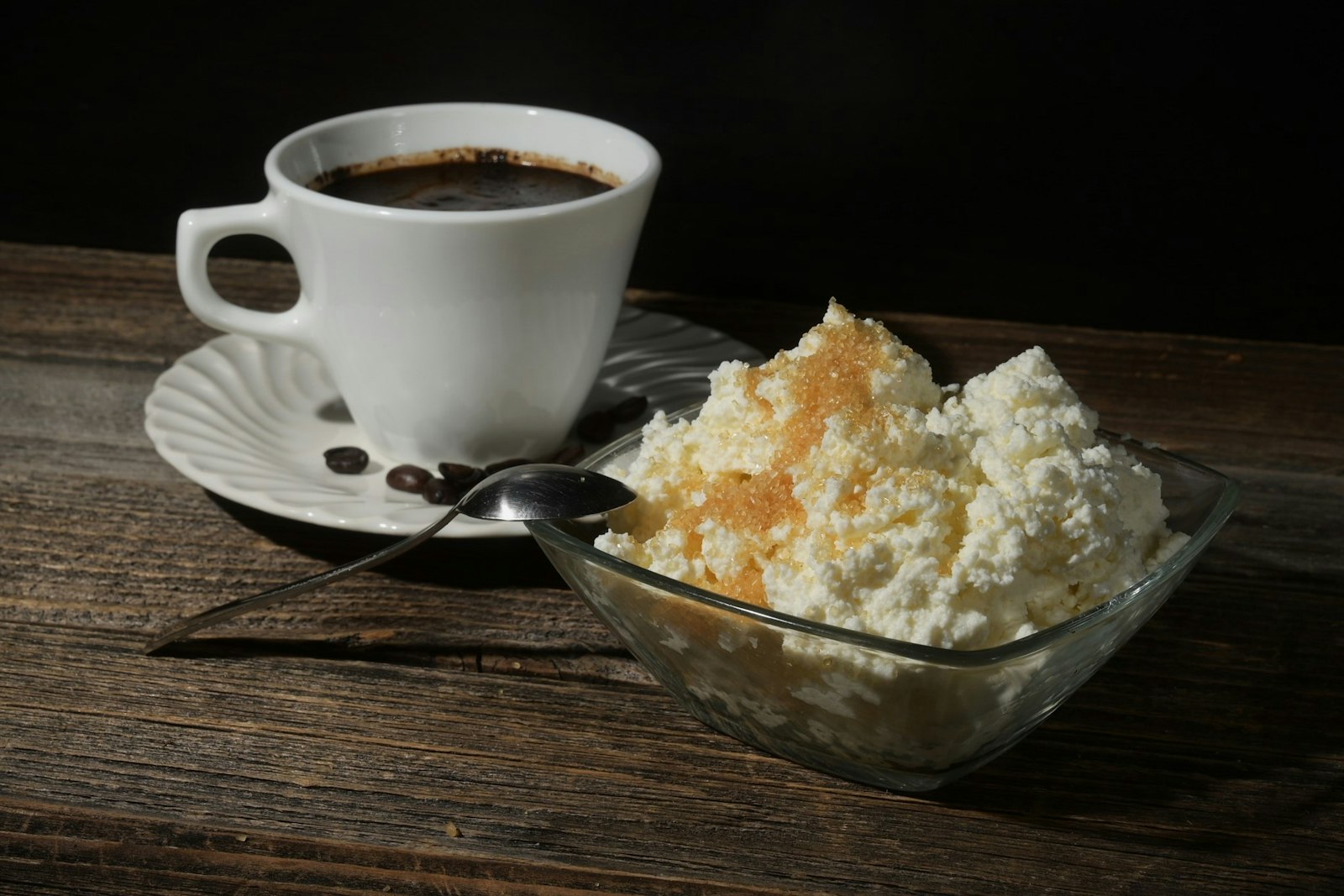
Cottage cheese has fallen victim to bad rep. Even if it’s been lurking in your fridge, chances are you’re using it in the same tired old ways. If you’re not a fan of cottage cheese, or if you are but are looking for new, fresh, exciting and delicious ways to use it, keep reading.
Cottage cheese is a relatively inexpensive source of protein. With protein needs increasing as we get older, such as aiming for 25-30 grams of protein at meals after 50, cottage cheese can come in clutch. A cup of cottage cheese offers a hefty 25 grams of protein for about 180 calories, depending on the brand. Plus, much of this protein is casein that digests more slowly, keeping you full for hours.
1. Whip it smooth
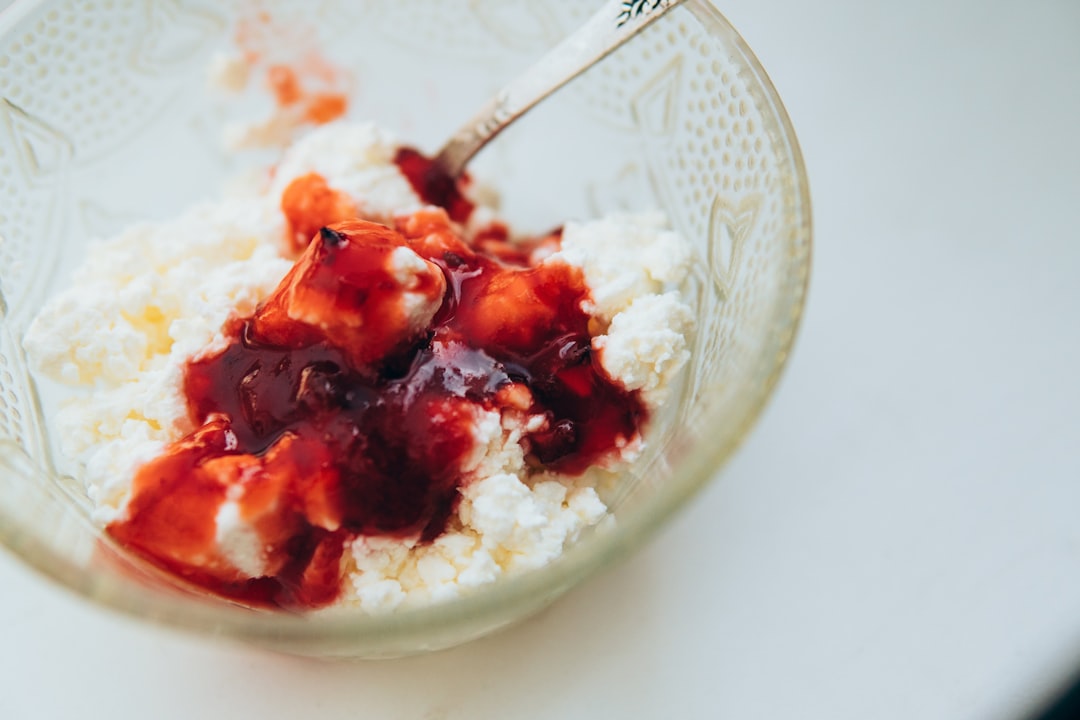
I can’t even count the number of people I’ve shared cottage cheese recipes with who’ve been hesitant to try it because they don’t care for curds. Fortunately, all you have to do is put cottage cheese in a blender or food processor, let it whirl away for about two minutes, and voila: smooth, creamy, whipped cottage cheese.
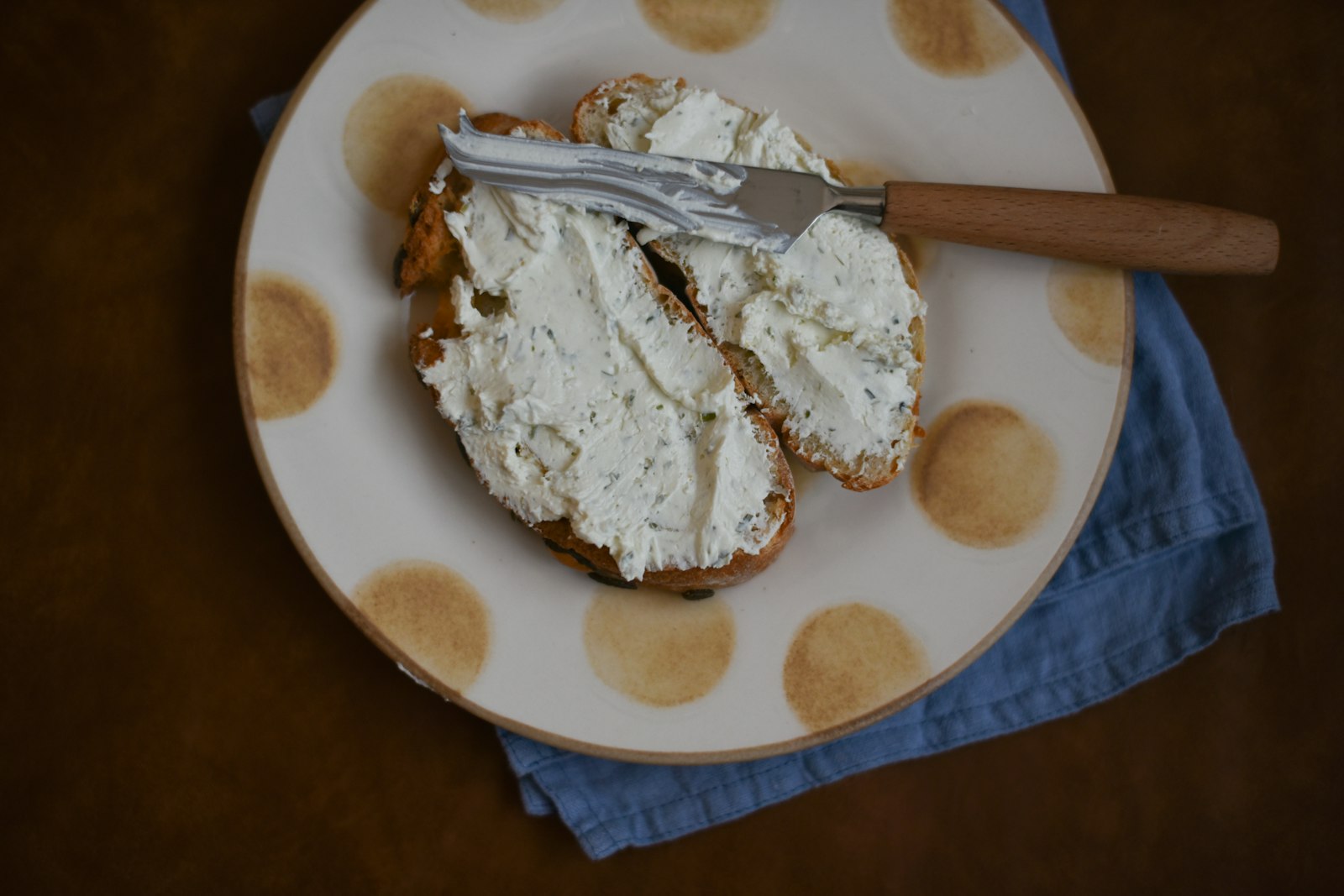
Doubtful eaters are more than happy to consume it in recipes without realizing it’s cottage cheese they’re eating. It has a texture somewhere in between cream cheese and Greek yogurt and can be used in recipes that call for those items.
You can use it as a sub for sour cream in pretty much anything, as a topping on chili, spread on bread, etc. Make a batch in advance and keep in the fridge to use as needed.
2. Make a savory lunch bowl
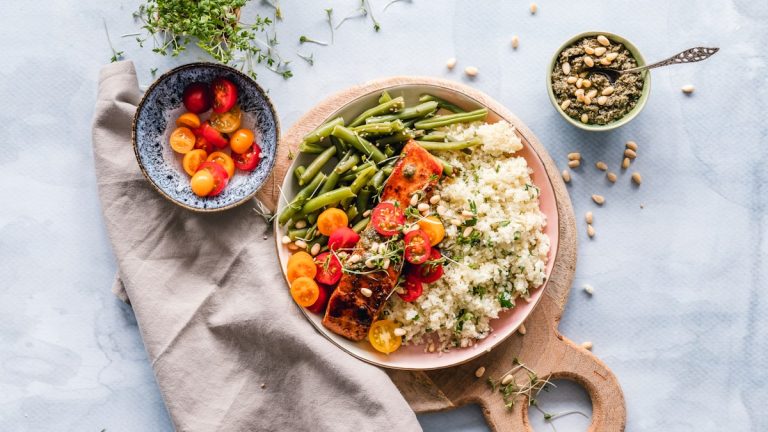
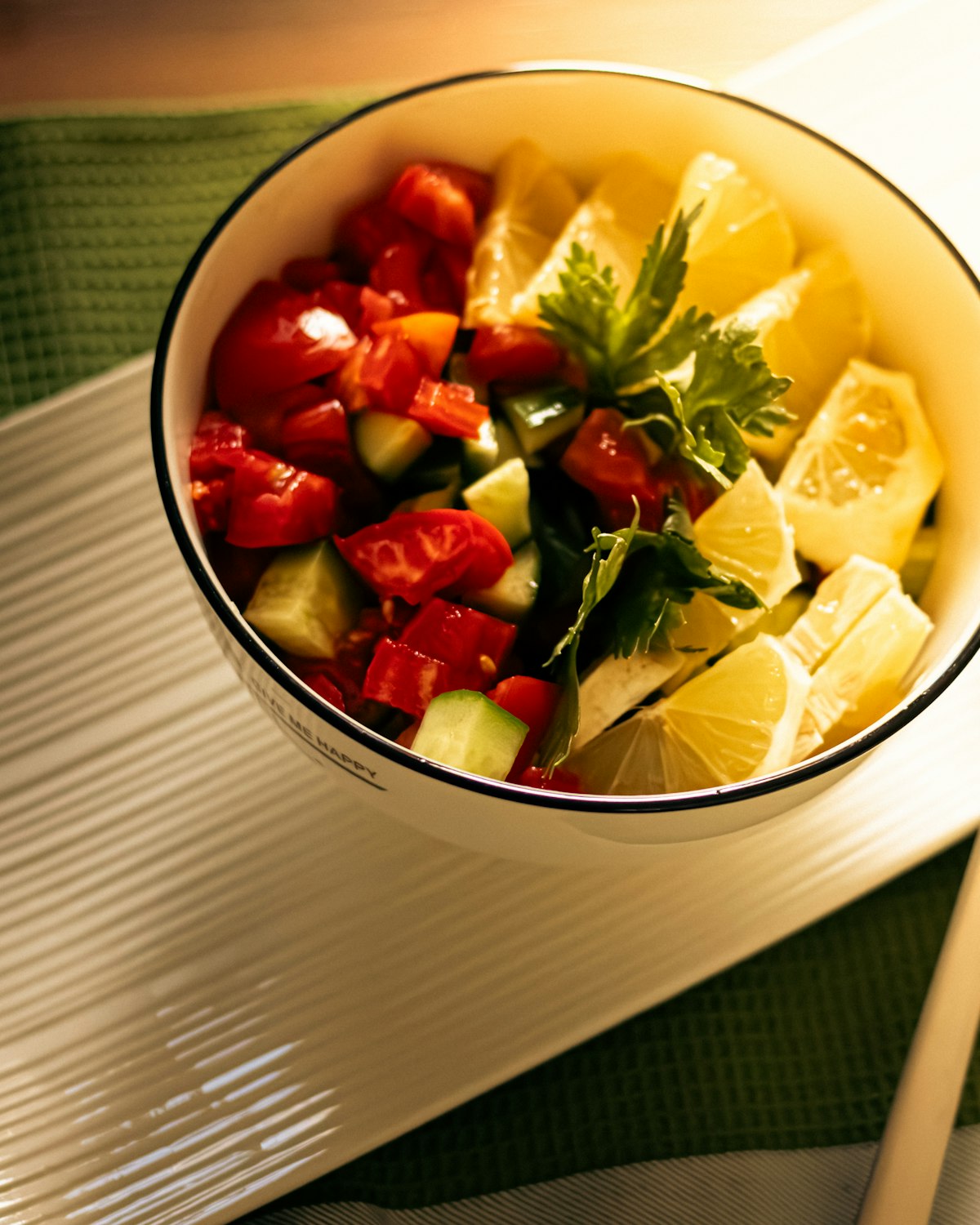
When I’m not sure what to eat and need to make something quick and easy, I’ll toss together a bowl of cottage cheese with cherry tomatoes (halved), diced cucumber, drizzle of olive oil, salt, pepper, everything bagel seasoning. I’ll sometimes top it with olives and/or leftover roasted veggies. Easy, healthy, delicious.
Photo by The Design Lady on Unsplash
3. Turn it into a creamy pasta sauce
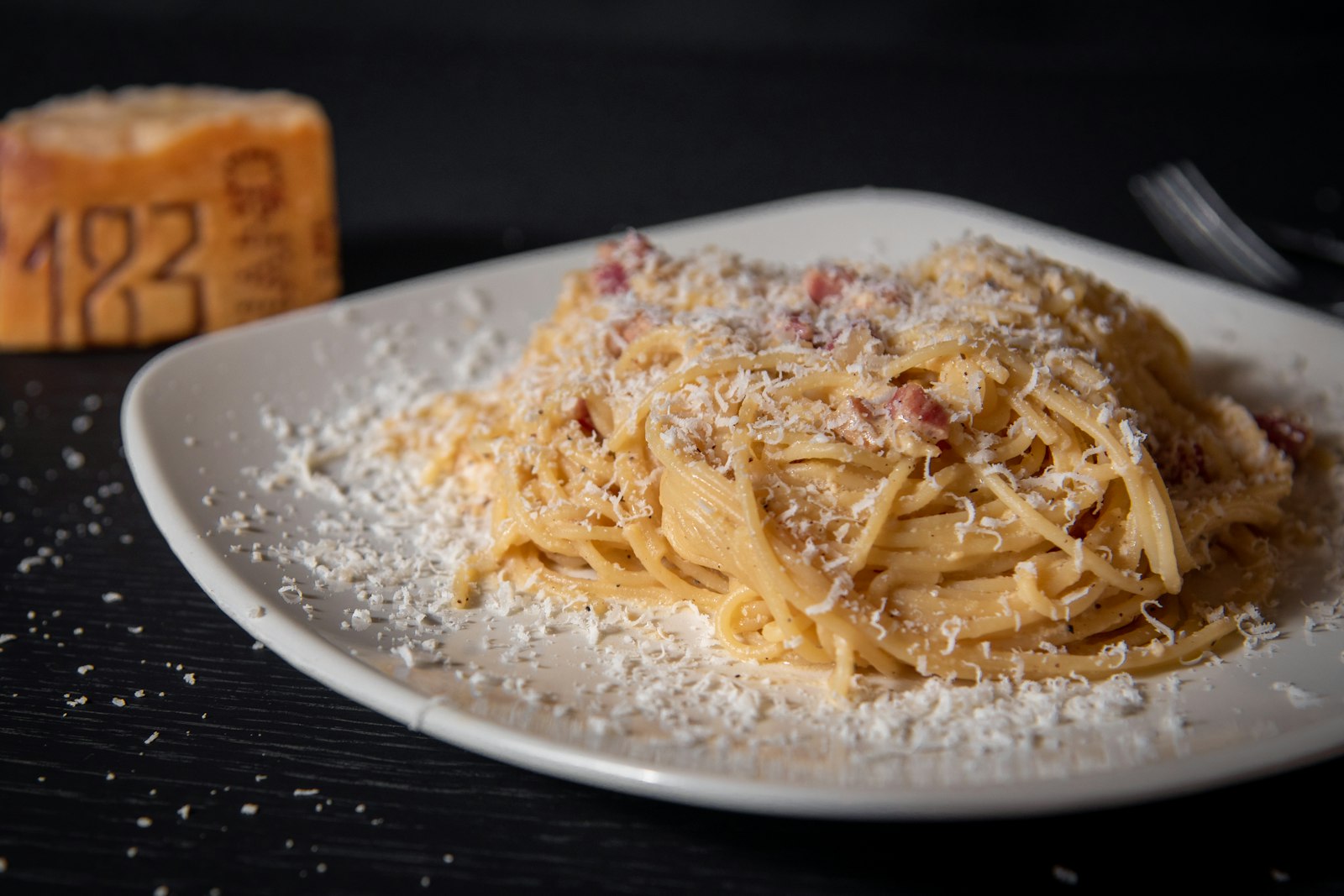
Add one cup of cottage cheese, blended or unblended depending on texture preference, to a bowl along with some starchy cooking liquid from cooked pasta, minced garlic, handful of freshly-shredded Parmesan, and lots of freshly-cracked pepper. Mix well, adjust seasoning, stir into pasta. It’s not quite Alfredo, not quite cacio e pepe, but somewhere in between.
4. Add it to pancake batter
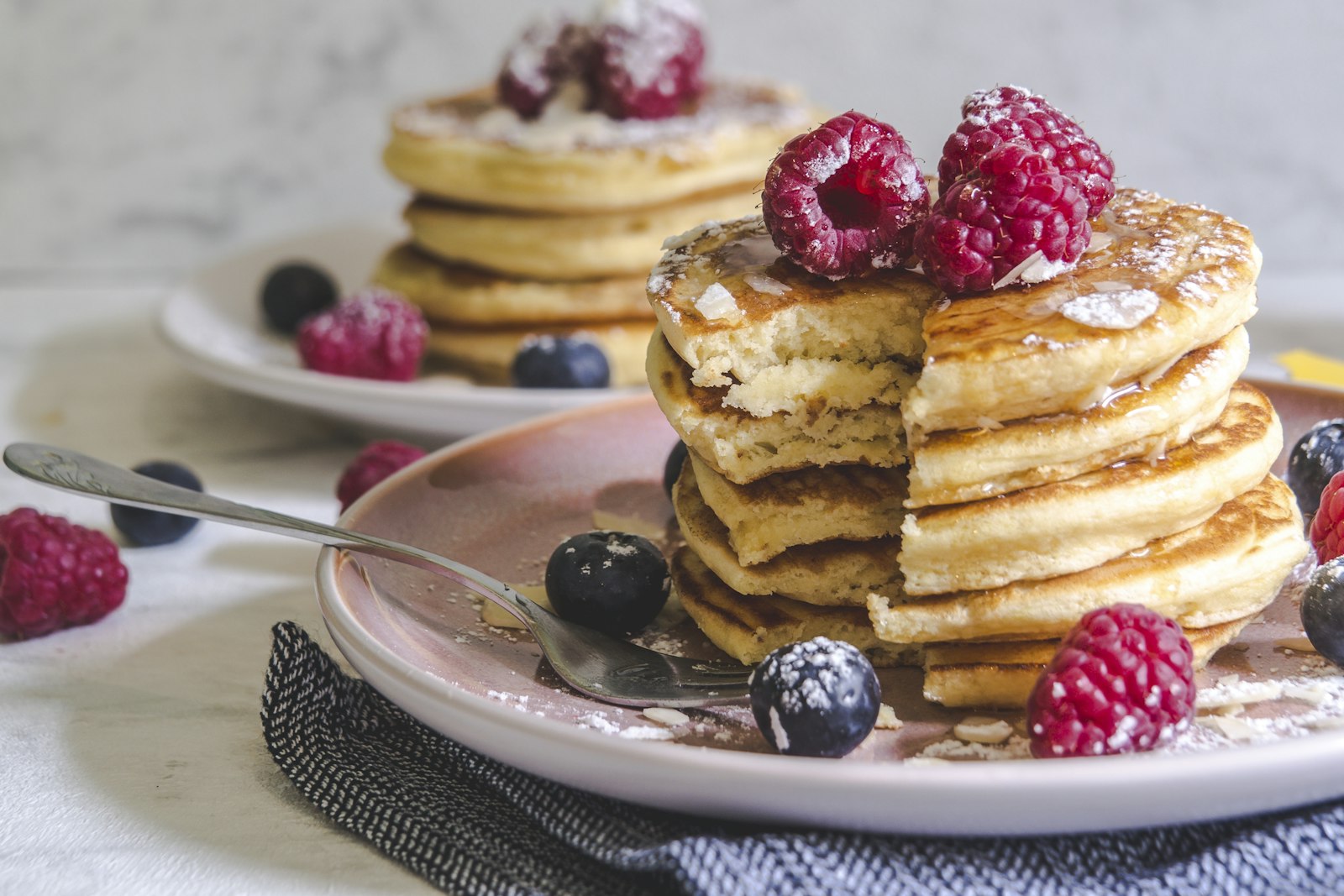
- One cup of cottage cheese
- Half a cup of oats
- A splash of milk
- One teaspoon of baking powder
When I make cottage cheese pancakes I blend the cottage cheese with the remaining ingredients so curds aren’t really noticeable. These days, I’ll just make them without telling people ahead of time, and they’re surprised to learn that cottage cheese is an ingredient. The pancakes are very light and tender.
5. Pile it onto toast
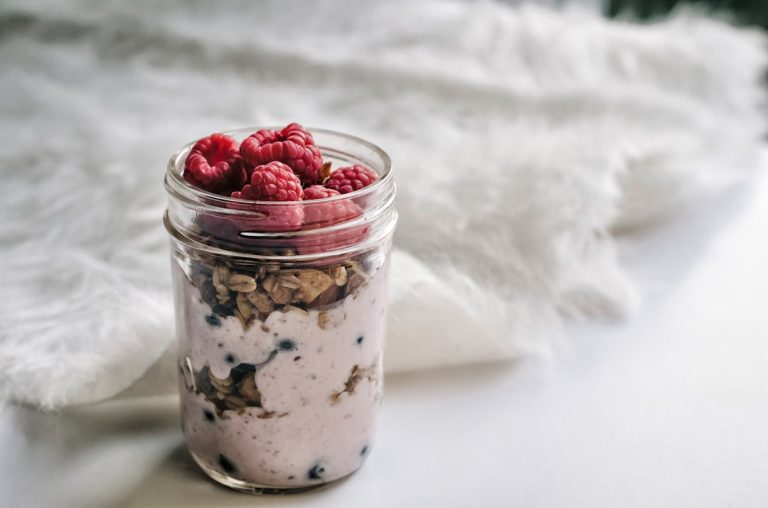
In the same way that people are spreading almond butter instead of peanut butter onto their morning toast, try slathering on whipped cottage cheese instead of butter, or just go easy on the butter and add an extra helping of cottage cheese on top. Top as you normally would. Fruit lovers can drizzle on honey and add berries.
Peach lover’s dream: Top toast with whipped cottage cheese, sliced peaches, dash of cinnamon. In addition to all of those lovely flavors, you’ll be adding more protein by using cottage cheese.

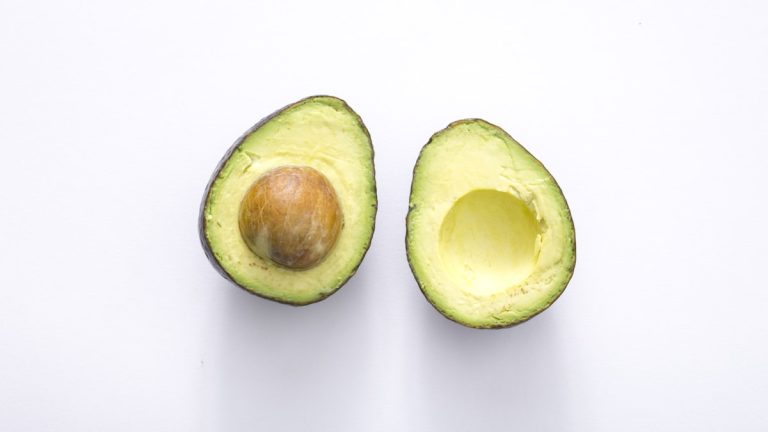
- Avocado and chili flakes
- Smoked salmon and capers
- Sliced tomatoes and salt
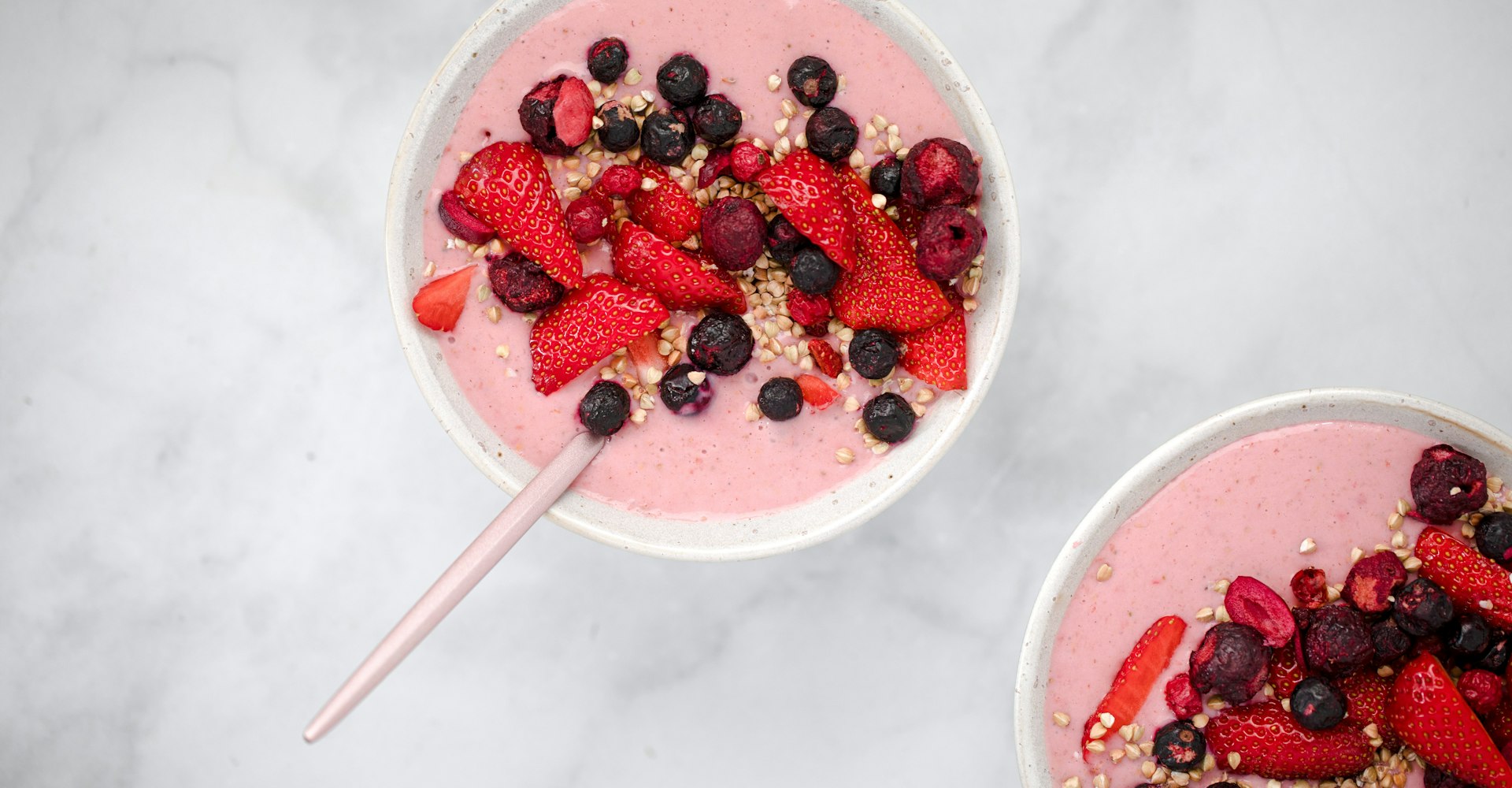
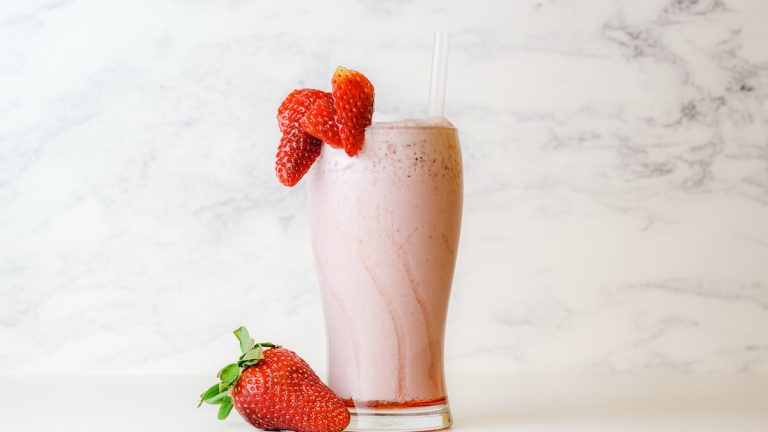
6. Blend a high-protein “ice cream”
Photo by Bakd&Raw by Karolin Baitinger on Unsplash
Blender or food processor required. Combine an equal part of frozen fruit such as mango or berries and cottage cheese and a drizzle of honey. Blend until creamy. Eat immediately as a sort of healthy soft-serve OR transfer to container, place in fridge, enjoy after about an hour like traditional scoopy ice cream.
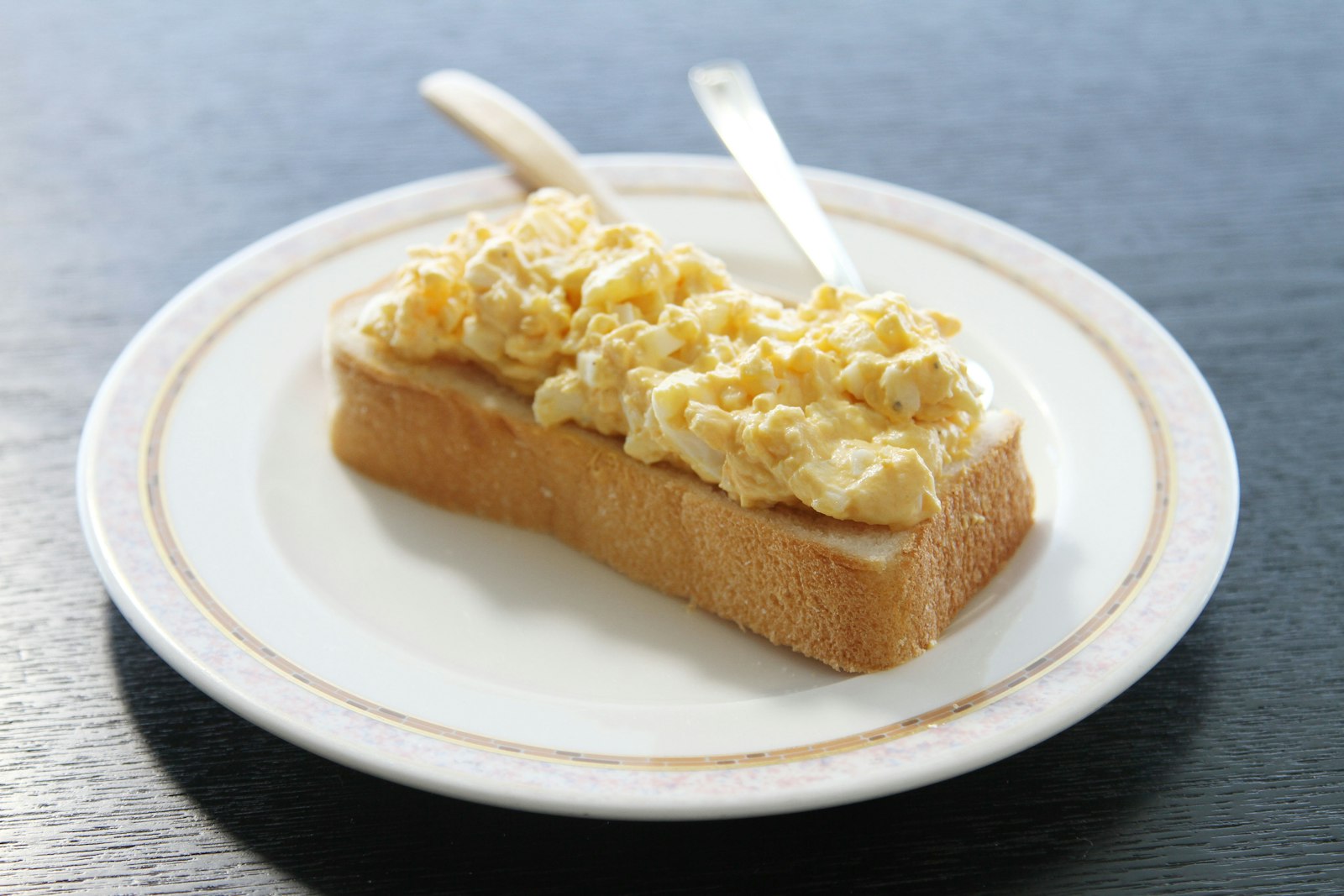
7. Make an egg-salad-style sandwich filling
Mix cottage cheese with a spoonful of mustard. Add finely-diced celery, dried or fresh dill, salt, pepper. Eat as-is or use as a lighter and egg-free sandwich filling. For an even greater protein boost, toss in some canned tuna or salmon.
8. Stir it into what you’re already cooking
Take a scoop of cottage cheese and stir into already-cooked scrambled eggs at the end, adjust seasoning. That’s it. They’re ready to eat. Cottage cheese adds a bit of moisture and creaminess and bumps up the protein. Same idea applies to adding a scoop into other dishes such as oatmeal, soups like pureed tomato-based soups or butternut squash.
Cottage cheese lends itself well into these kinds of dishes because they’re soupy to begin with. Just stir in some at the end, adjust seasoning, eat. Cottage cheese basically sneaks in, creaming up the dish and bumping up nutrition, without really calling attention to itself.
What to look for when buying it
You’ll find that some are tastier than others. Texture varies too, curds are softer with some and firmer with others. Experiment with different brands and find one you like.

Though protein content is pretty similar between full-fat and low-fat varieties, full-fat might keep you full a bit longer. Pick whichever appeals to you and you’ll enjoy adding cottage cheese into things.
Some cottage cheeses are higher in sodium than others. If you’re watching your sodium, look for low-sodium versions so you can season to taste as you’re cooking.
Check how much cottage cheese you’re actually using
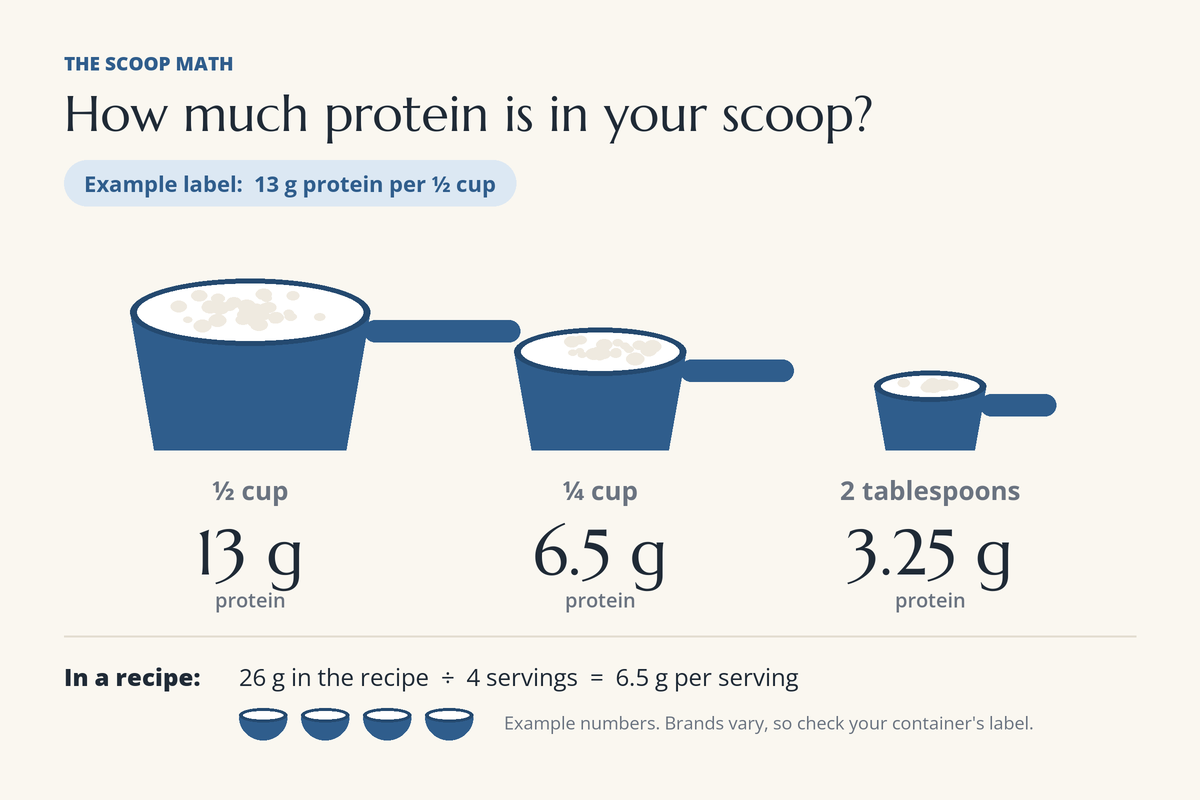
While cottage cheese is a high-protein food, that doesn’t mean you can dollop a little onto a piece of toast and call it a day. Say a made-up nutrition label reads there are 13 grams of protein per half cup. Then you’re getting about 6.5 grams when you scoop a quarter cup onto your toast.
And if you’re adding a couple of tablespoons to a recipe, that’s about 3.25 grams for this particular brand. This might seem like overkill, but it’s helpful to be aware of serving sizes. According to the FDA, the nutrition information on a label applies to the serving size listed.
The numbers also vary from brand to brand, so it’s helpful to look at the label on the cottage cheese container. And if you’re making a recipe with cottage cheese in it and want to figure out how much protein it contains: Say there are 26 grams of protein in the amount of cottage cheese used.
If the recipe makes four servings, you’re getting 6.5 grams of protein from cottage cheese, not including other ingredients, per serving. You’ll soon get an idea of what your usual helping looks like if you measure it out once, and you won’t have to do it each and every time you make a smoothie.
Build a meal around it
Rather than eat it straight from a bowl, consider adding fruit and eating it with a couple of slices of whole-grain toast for breakfast. Cottage cheese and peaches and cinnamon is a great combo. At lunch, serve it with a couple of vegetables and a baked potato.
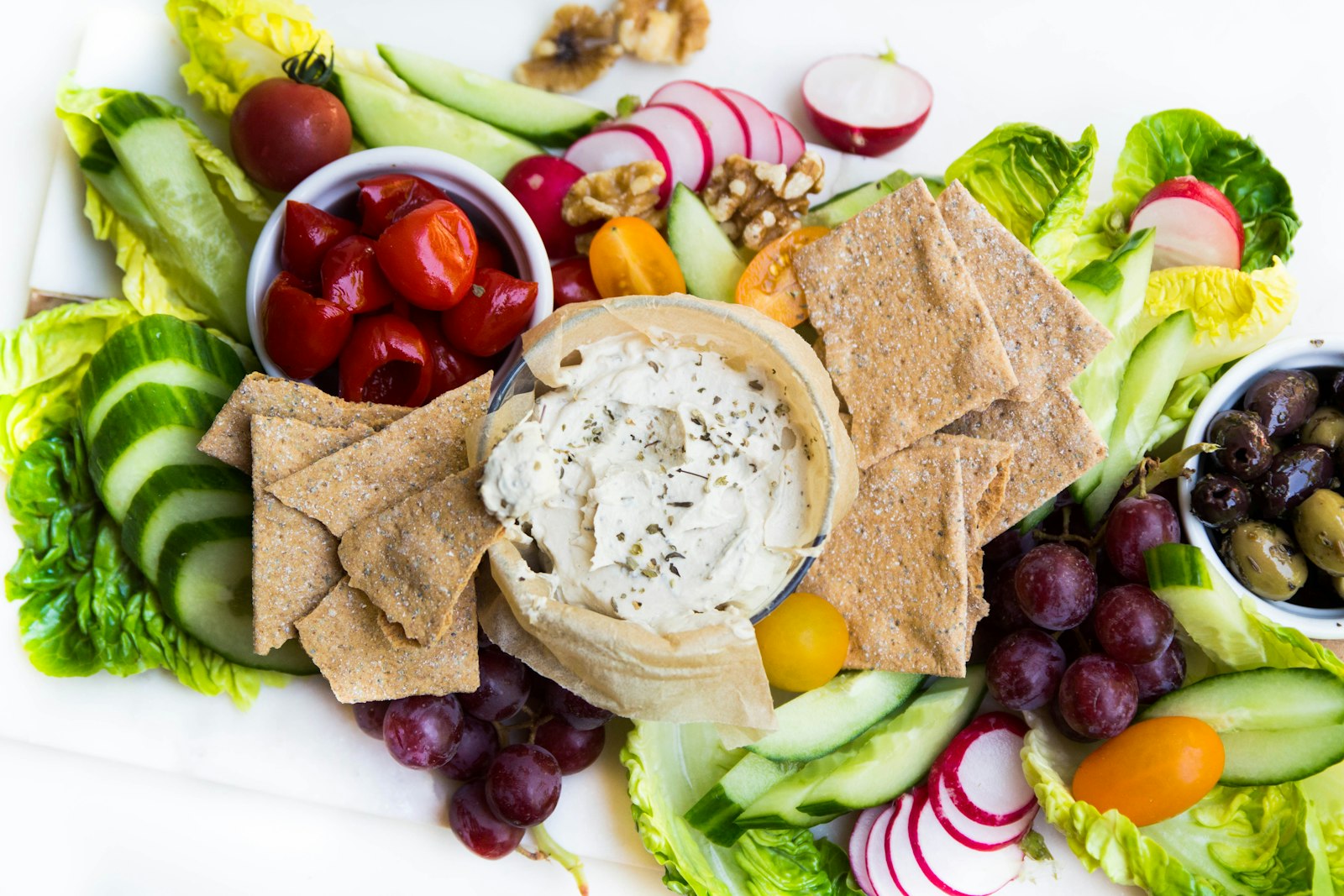
Use it as a dip with vegetables, but instead of eating it with just cucumber slices, which is OK but might leave you feeling a bit hungry, serve it with a couple other items. Cottage cheese and tomatoes and herbs is another tasty combo. It’s OK for cottage cheese to remain a simple food. It’s nice that you can grab some quickly.
But it’s more filling and interesting if you combine it with a couple other foods. And making it interesting helps you want to keep eating it regularly. Have one sweet combo and one savory combo in mind so you’re not trying to think of something new each time you reach for cottage cheese.
Compare calcium as well as protein
Cottage cheese isn’t necessarily loaded with other nutrients just because it’s high in protein. Take calcium. The NIH’s calcium fact sheet says that one cup of 1% milk fat cottage cheese has 138 milligrams of calcium. But the same fact sheet lists eight ounces of plain, low-fat yogurt at 415 milligrams of calcium.
Women ages 51 and older are recommended to consume a total of 1,200 milligrams of calcium daily through foods, beverages and any supplements. That means cottage cheese won’t get you there on its own. Products vary, so check the label for the amount of calcium in any given food. Try to incorporate other calcium-rich foods into your diet, such as milk, yogurt or calcium-fortified plant-based milks.
If dairy bothers you, distinguish intolerance from allergy
If you don’t like cottage cheese, then you don’t like cottage cheese. There are plenty of popular foods that don’t float everyone’s boat. That’s totally okay. If dairy bothers you, though, it helps to know what’s going on. Cottage cheese typically contains lactose, the sugar in milk. Some people with lactose intolerance can eat more lactose than others.
According to the National Institute of Diabetes and Digestive and Kidney Diseases (NIDDK), most people with lactose intolerance can eat or drink some amount of lactose and have no symptoms. NIDDK says lactose-free and lactose-reduced products may help people eat a diet with less lactose.
So if you do get symptoms from traditional cottage cheese, a lactose-free version may be worth trying. But NIDDK also says a milk allergy is an immune system disorder and is different from lactose intolerance. So lactose-free cottage cheese isn’t a workaround for a milk allergy, since it still has milk proteins.
Blend a small amount before committing the whole container
Add only enough cottage cheese for one meal and whip in a blender. Start out with no additional flavors. Blend until desired texture is achieved, occasionally scraping down the sides of blender as necessary. At this point, be careful not to add too much liquid, which can leave you with something pourable when you wanted a spread.
Once the consistency is right, add flavors. Dill, lemon zest and black pepper make a nice savory combination. Vanilla and cinnamon make a nice sweet one. For the sweet version, add the vanilla or cinnamon first and then decide how much sweetener to add. Save the rest plain and it will be more versatile for other meals. That way you won’t turn the entire tub into something you don’t like.
Be a little cautious with recipe substitutions
Blended cottage cheese works well as a spread or a topping, but don’t expect it to perform exactly like cream cheese, sour cream or cream in every recipe. The texture will be different. And for baking, it’s best to start with a recipe that is already written for cottage cheese instead of swapping out a major ingredient since differences in moisture and texture can change the result.
For the pasta sauce, don’t dump in all of the pasta water at once. Add it little by little and toss it together off the heat, which gives you more control over the consistency.
Different brands have different consistencies and moisture levels. If it turns out a little too thin, tweak the recipe a bit next time. Some trial and error is expected but you don’t necessarily have to shell out extra bucks for name-brand cottage cheese if another brand turns out a little off.
Set realistic expectations for the frozen version
Note that frozen cottage cheese will not have the same texture as ice cream. USDA says that soft cheeses like cottage cheese don’t freeze well.
If you’re looking for a soft-serve kind of texture, try blending cottage cheese and frozen fruit together, then eating it right away.
Alternatively, if you want to serve it out of a dish like ice cream, you can put the mixture into a freezer-safe container and stick it into your freezer, though you should keep an eye on the texture as it freezes. It won’t freeze into a frozen treat in the fridge.
You may find it helps to let it sit out for a few minutes to soften up for scooping.
Start with a small batch to see if you like the results. And don’t assume every bowl has the same amount of protein. Figure out how many servings your recipe makes and calculate the protein from there.
Keep it cold, including after you blend it
Whether in the original container or whipped together as a dip, cottage cheese should be stored in the refrigerator. FoodSafety.gov recommends keeping your fridge at 40°F or lower. Cottage cheese and other perishable foods should go into the refrigerator within 2 hours, or within 1 hour if it’s above 90°F. That includes a bowl of dip left out while everyone helps themselves.
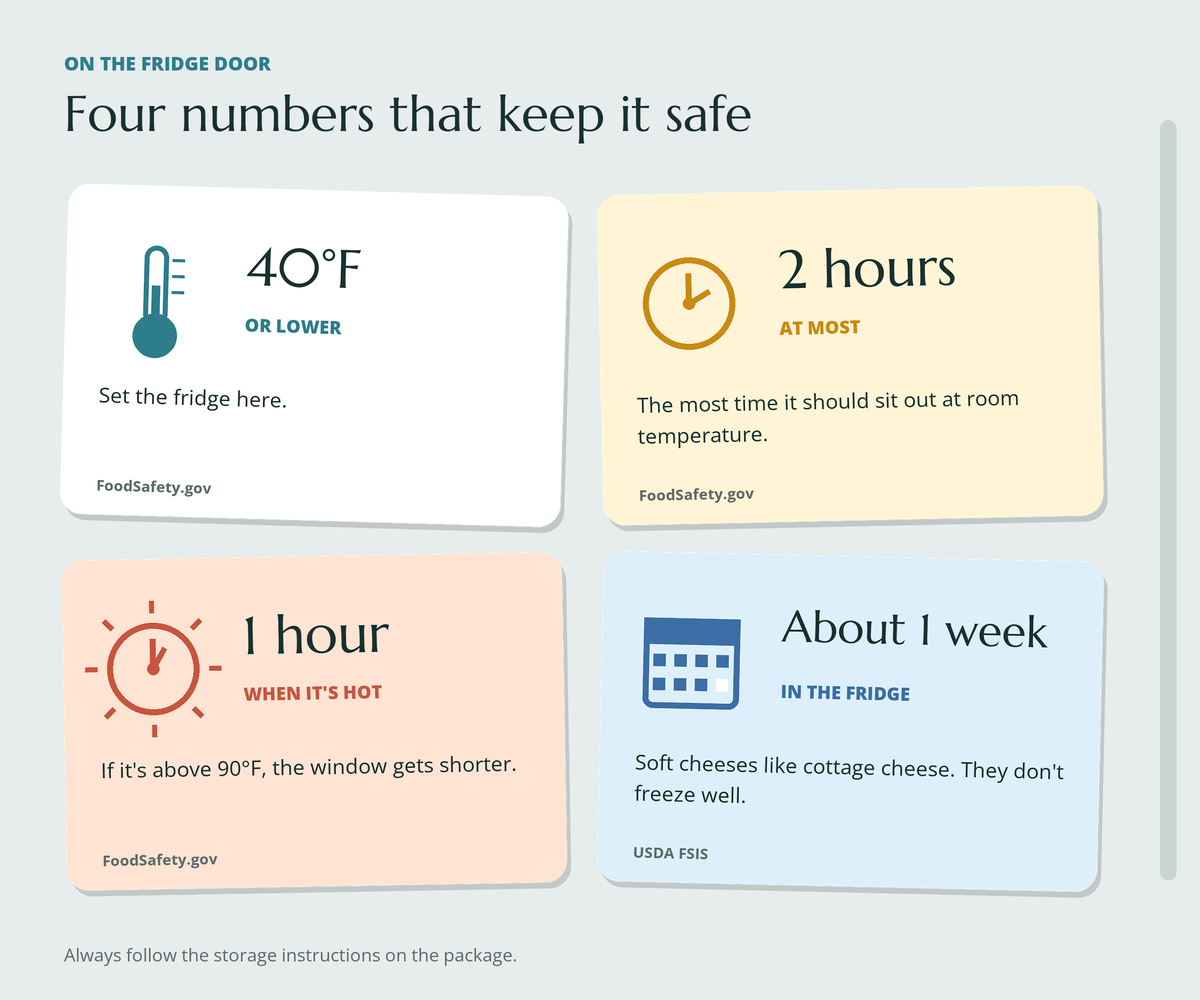
The USDA notes that soft cheeses, such as cottage cheese, can be refrigerated for about one week. Always follow the storage instructions on the package. Follow any shorter storage guidance for a recipe you’ve made, too, and keep in mind that blending an older container doesn’t restart the clock.
Use a clean utensil, refrigerate it right away and make only as much as you’ll eat. And a smaller container you actually use can be a better buy than a bargain tub you keep forgetting about.
Find the version you actually want again
You don’t have to make all eight. If toast is your usual breakfast, start there. If you regularly cook up a pot of pasta, try a small batch of the sauce. Which of these eight ideas tickled your taste buds? Which sounded easy to prepare? Which sounds like it would fit into your eating habits?
Which sounds like you’d happily eat it again and not just because it’s a great source of protein? Stick with whichever recipe or recipes earned a resounding yes. Cottage cheese will be the easiest to incorporate into your diet if it’s a food you enjoy eating and reach for when you open the fridge because you know exactly what it’s for.