The Anti-Inflammatory Grocery List for Women Over 50

You may be wondering what I mean by “inflammation,” considering how often the word is used today to describe virtually every condition imaginable. For a short period of time, inflammation is beneficial, because it’s your body healing from injury. Chronic inflammation causes different issues entirely, though, in terms of aging and particularly through menopause. Low-grade inflammation over long periods has been linked to heart disease and joint trouble, as well as general fatigue.
While it is impossible to eliminate it entirely, the food choices you consistently make will affect your body’s overall inflammatory response, and according to the research, the strongest evidence belongs to a traditional Mediterranean-style eating pattern.
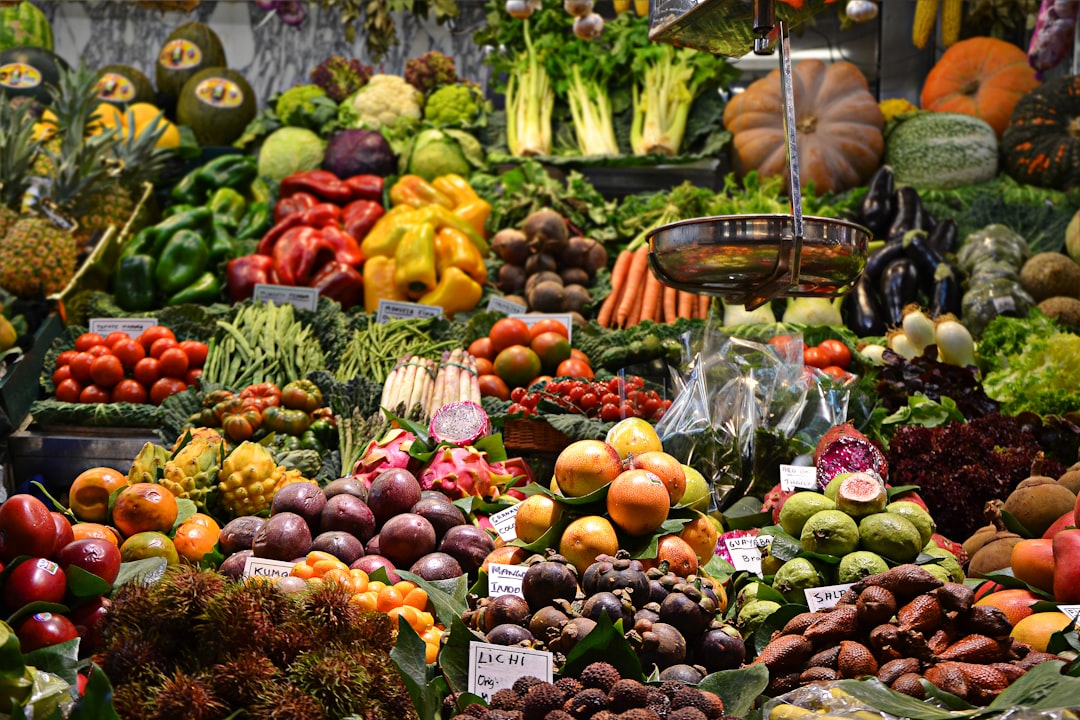
I know that nobody really wants to hear about the health benefits of the Mediterranean diet yet again. So instead I am providing you with a grocery list, organized in the order you would typically encounter the items in a supermarket. You don’t need to purchase all of these items every week. As long as most of them find their way into your cart most weeks, you have successfully completed the program.
Produce
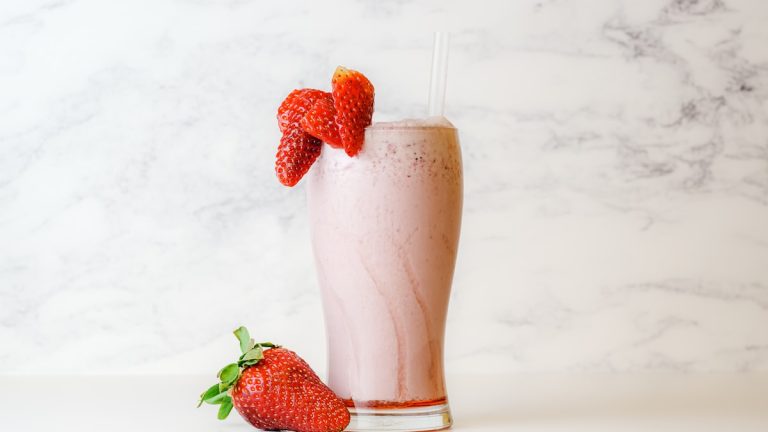
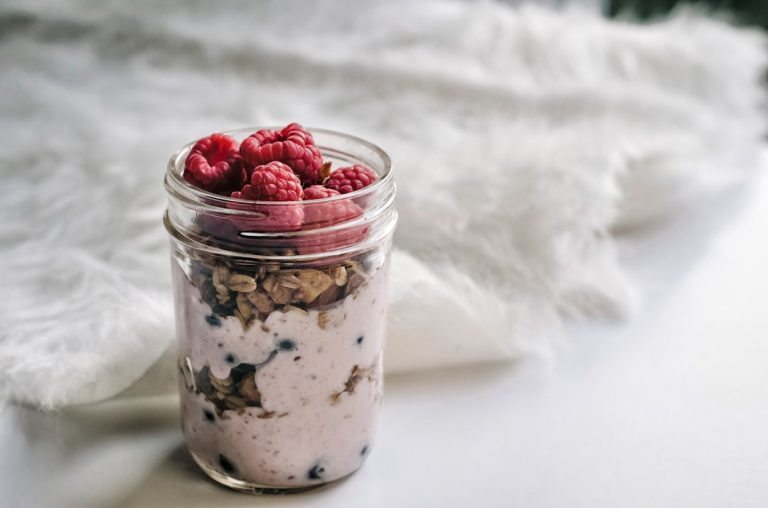
First choice: berries, fresh or frozen, and frozen berries are picked at peak ripeness and cost roughly half as much as fresh. The anthocyanins found in blueberries, strawberries and raspberries help counter oxidative stress, and numerous studies show individuals who consume berries regularly receive better outcomes in nearly all the areas we care about.
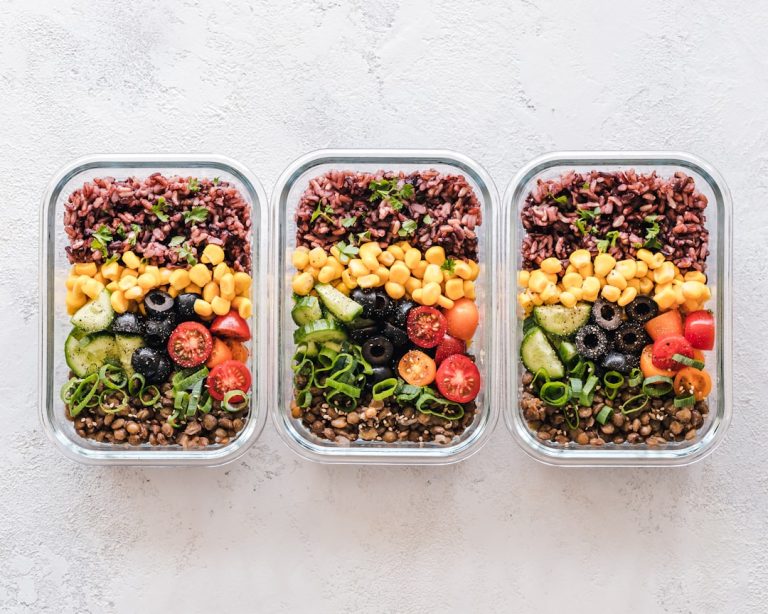
Next come the leafy greens: spinach, kale and arugula, or simply pick something you’ll eat. A simple rule makes the whole store easier: color equals compounds, so stock up on deep green, purple and red produce. Tomatoes complete the options (cooked tomatoes allow higher absorption of their lycopene), along with broccoli and the other cruciferous vegetables, red onions, and peppers in any color.
Garlic and fresh ginger both contain anti-inflammatory properties at minor levels, and they add incredible flavor to everything else on this list, making it taste like dinner versus prescription medication.
Fish counter
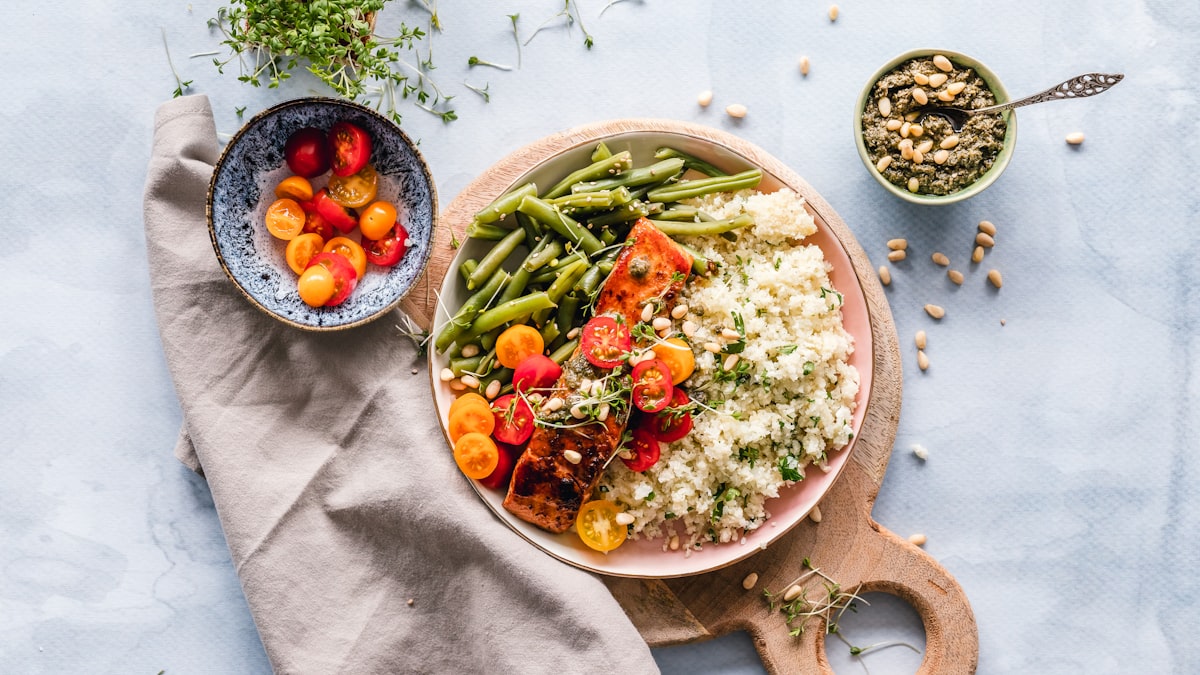
This section of the store is likely the most important part of the trip. The omega-3 fats contained in salmon, sardines and mackerel aid your body in resolving inflammation, and more research supports these fish than almost any other food group. Attempt to incorporate fish into meals at least two times per week.
Canned sardines and canned salmon offer similar nutritional value to their fresh counterparts, last a year or longer on the shelf, and cost far less, so there is no budget reasoning against the canned versions. Only a taste negotiation exists.
Middle of the store
Extra virgin olive oil serves as the foundation for this list, and it contains an anti-inflammatory compound called oleocanthal, which creates that peppery sensation at the back of your throat when you taste a good oil. Buy a genuine extra virgin olive oil, apply it liberally to everything possible, and stop saving the good bottle for special occasions.
The next category is the fiber sources, since fiber gets converted by your gut bacteria into compounds which help reduce inflammation internally, and most of us feed them poorly. Oats, beans of any type (canned is fine if rinsed), lentils, and barley or farro if you want some chewy grains. Walnuts and almonds belong here too, since walnuts contain plant-based omega-3s while almonds provide vitamin E, and one small daily handful of either is one of the most consistent habits throughout the longevity research.
Spices represent hidden treasures. While turmeric receives the most attention, with documented effects on joint comfort, cinnamon, black pepper and dried herbs all work toward the same end at minimal cost per serving.
Drinks and the good news section
Green tea at two cups daily, if it agrees with you, contains the polyphenols previously mentioned. Coffee appears moderately protective across most study populations, which surprises everyone. And dark chocolate above 70% cocoa content legitimately earns its spot here as well, with a square or two daily, so this list ends better than most.
What leaves the cart
The additions matter little if your cart stays full of items moving in the opposite direction, and the research points to very few: sugary drinks including juice, processed meats like bacon and deli slices as daily fare instead of an occasional treat, deep-fried anything, and the ultra-processed packaged products that amount to refined flour, industrial oil and salt in different shapes.
There is no requirement to be a saint about any portion of this. Your body keeps score based on the repeating patterns of what you eat, not the birthday cake.
| Where in the store | In the cart |
|---|---|
| Produce | Berries (frozen counts), spinach, kale or arugula, tomatoes, broccoli, red onions, peppers, garlic, fresh ginger |
| Fish counter | Salmon, sardines, mackerel (canned versions count too) |
| Middle aisles | Extra virgin olive oil, oats, beans, lentils, barley or farro, walnuts, almonds, turmeric, cinnamon, dried herbs |
| Drinks and treats | Green tea, coffee, dark chocolate over 70 percent |
| Out of the cart | Sugary drinks and juice, everyday processed meats, deep-fried anything, ultra-processed packages |
The one-line version
Eat fish twice weekly, use olive oil daily, choose deep-colored produce at each meal, keep beans and oats on repeat, make nuts the default snack, spice with a heavy hand, and move processed foods from daily to occasionally. That is the entire anti-inflammatory diet, and it fits on one index card and tastes like the Mediterranean, which isn’t a bad deal for a grocery list.
Print it out and attach it to the refrigerator, so it can argue with you at the store for a month. Your joints will file their report by fall.