Exercises for Older Women to Help Prevent Falls

I have worked with my fair share of older adults ranging from ages 60-99. Yes, I trained a very active 99 year old before, but most of my experience is with people over the age of 60. But one thing truly stands out to me about the aging process: falling can affect anyone and at any time.
Fall risk is a modifiable concern for older adults and sometimes it can be out of your control. This means if you work at trying to reduce your risk, you may have a better chance at not falling if it is a factor that you can change as opposed to some kind of physical limitation. Physical limitations often come early in life and become an adaptable part of the aging process.
Women over the age of 60 should be mindful of the modifiable factors that creep up throughout the years. Some include reduced strength, lower fitness levels, lack of mobility, and poor balance—from neglecting this kind of exercise.
Fortunately, research has looked into how exercise can affect risk—and the case for older women is simple: add balance exercises to your routine to help reduce fall risk. With a little practice, regularity, and assistance, reducing risk can be a major part of a fitness program and something that can be done just about every day.
Why Falls Actually Happen
The exact reason for why a fall happens can be a challenge to nail down—especially when there are various factors that could lead to a fall. The reaction of how the body adjusts to a fall changes and a sudden trip or slip of the foot could lead to a tumble.
In earlier years, this would likely not be an issue, as your body would just adjust and catch itself. But losing muscle strength, quickness, power, and mass can be a huge factor in fall risk.
While you can be a very fit older woman, exercise does not always prevent falls from happening. Poor vision is a common reason for falls, whereas low blood pressure upon standing can be something you may not know you have until it is too late.
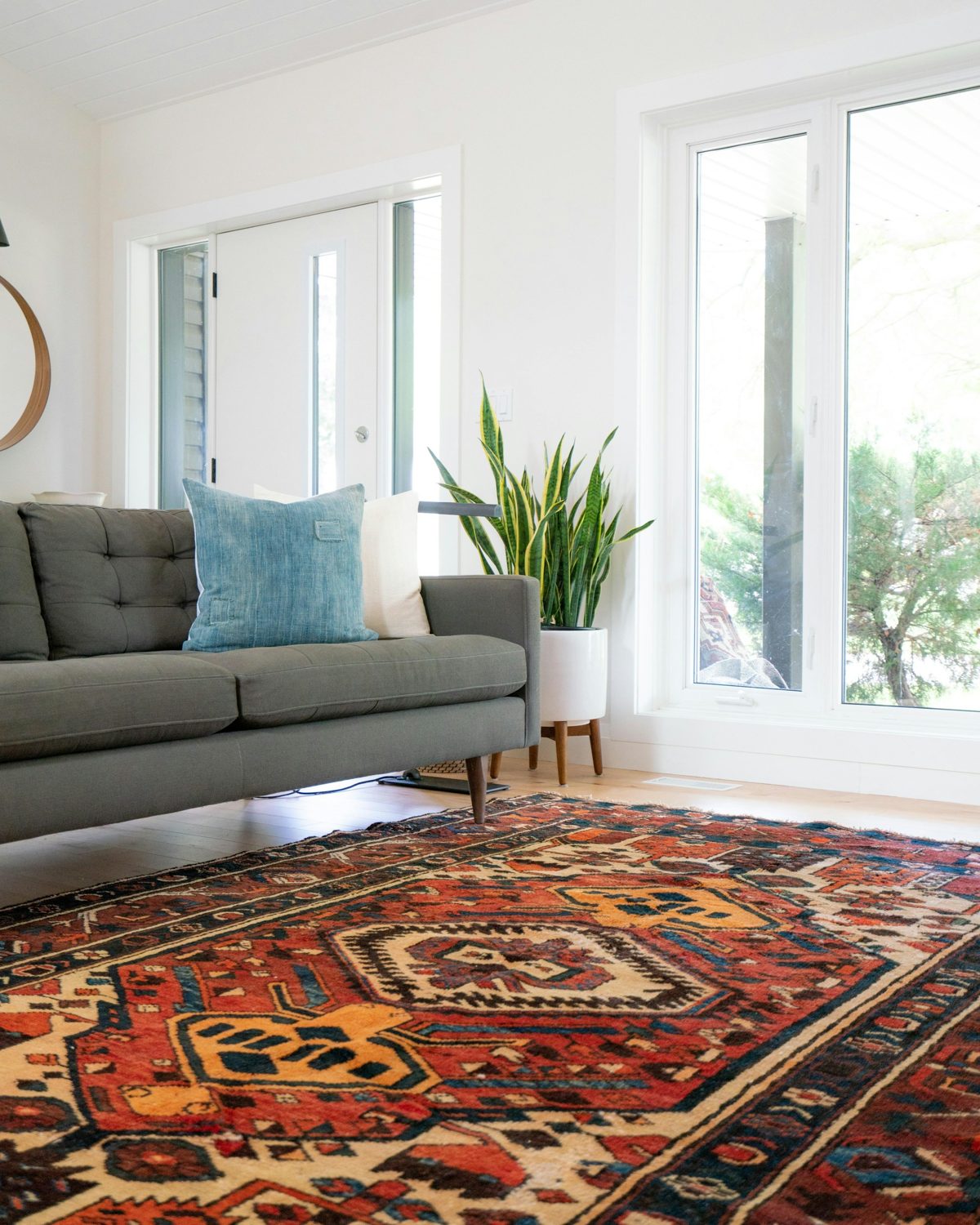
The environment in which you live plays a key role in how safe you are as well. I have worked with older clients who had falls because of rugs, steps, and modifications made to the home environment and were not paying attention.
A good fall prevention program should include strength training along with balance exercises. Having a solid foundation for your muscles to be able to adapt to changing stressors can be helpful in fall risk reduction, but adding the element of balance training should be considered essential for older adults as well.
What the Evidence Supports
The supporting evidence for incorporating a balance and exercise program to your routine is overwhelming. The goal of any balance program is to progress and incorporate the skills learned to everyday life, all to prevent a fall if possible.
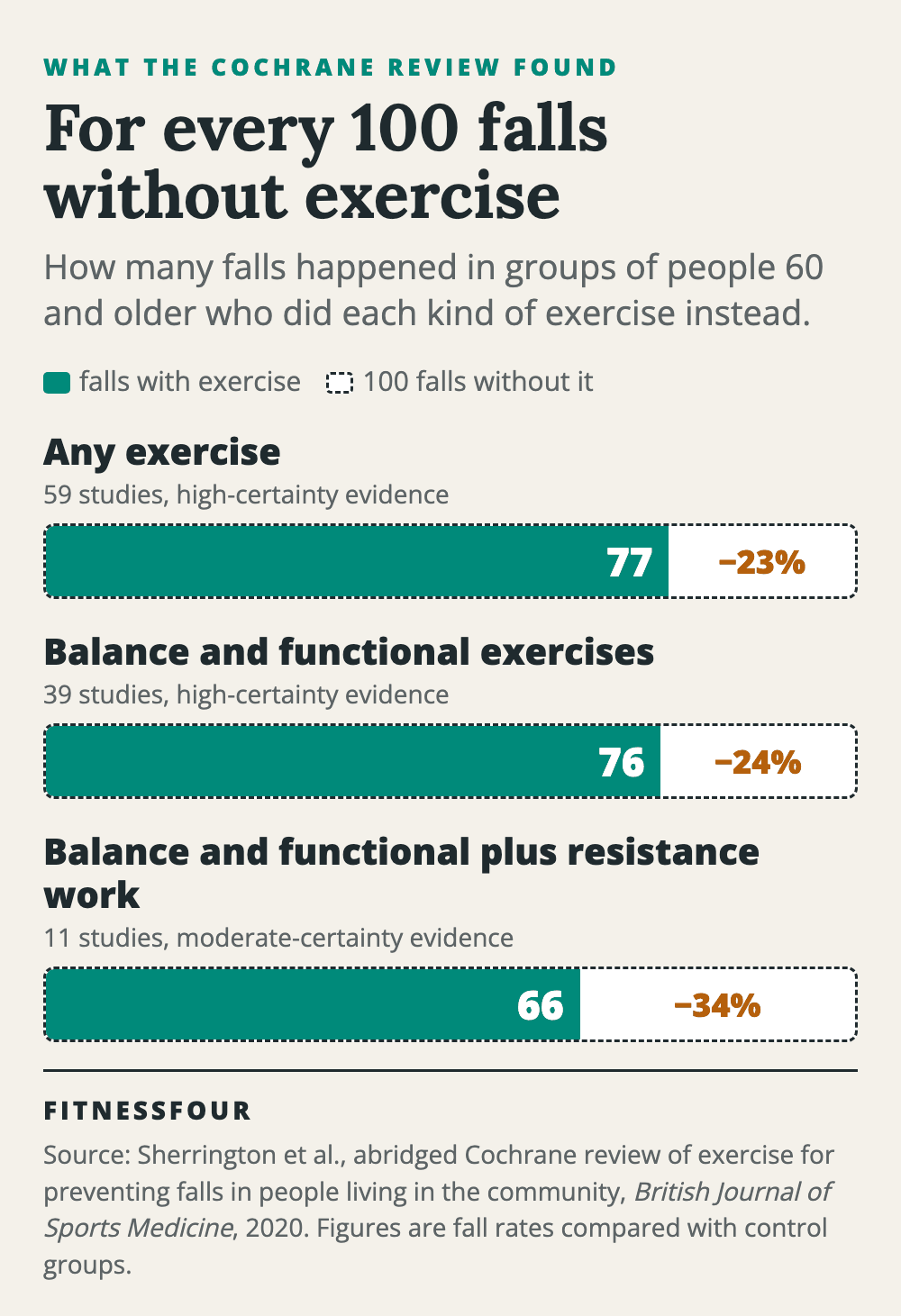
The first study that really pinpoints the importance of exercise for balance is the Cochrane review performed in 2020. With a large database of 59 studies that included people over the age of 60, this study showed strong data about what exercise can do for falls.
The primary result of the Cochrane review is highlighted by big facts—exercise can reduce the rate of falls by 23 percent, balance and functional exercises can reduce the rate of falls by 24 percent, and adding resistance work to balance and functional exercises probably reduces the rate of falls by 34 percent.
Reducing falls was the aim of the Tai Ji Quan intervention that was performed on a group of 670 people aged at least 70 years old with a prior fall within the past year. Tai Ji Quan is a program that is developed from the classic Tai Chi concept and uses mindfulness and weight shifting movements.
These adults were randomized to one of three interventions such as: two hour-long Tai Ji Quan classes per week over 24 weeks, multimodal exercise that included balance, strength, and flexibility activities, and stretching exercises. Falls were reduced by a whopping 31 percent in the Tai Ji Quan group when compared to the multimodal exercise group—which demonstrates the power weight shifting activity for balance.
The final piece of evidence I feel really demonstrates what exercise can do for balance includes the Otago Exercise Program—which is an at-home program performed three times per week for about 30 minutes each and combines leg strength training, balance drills, and walking for fall reduction.
Among 15 studies included in a review and meta-analysis, a group of over 1200 older adults demonstrated the Otago Exercise Program can lead to significantly improved balance, gait, and lower body strength.
8 Exercises Women Need to Try for Balance
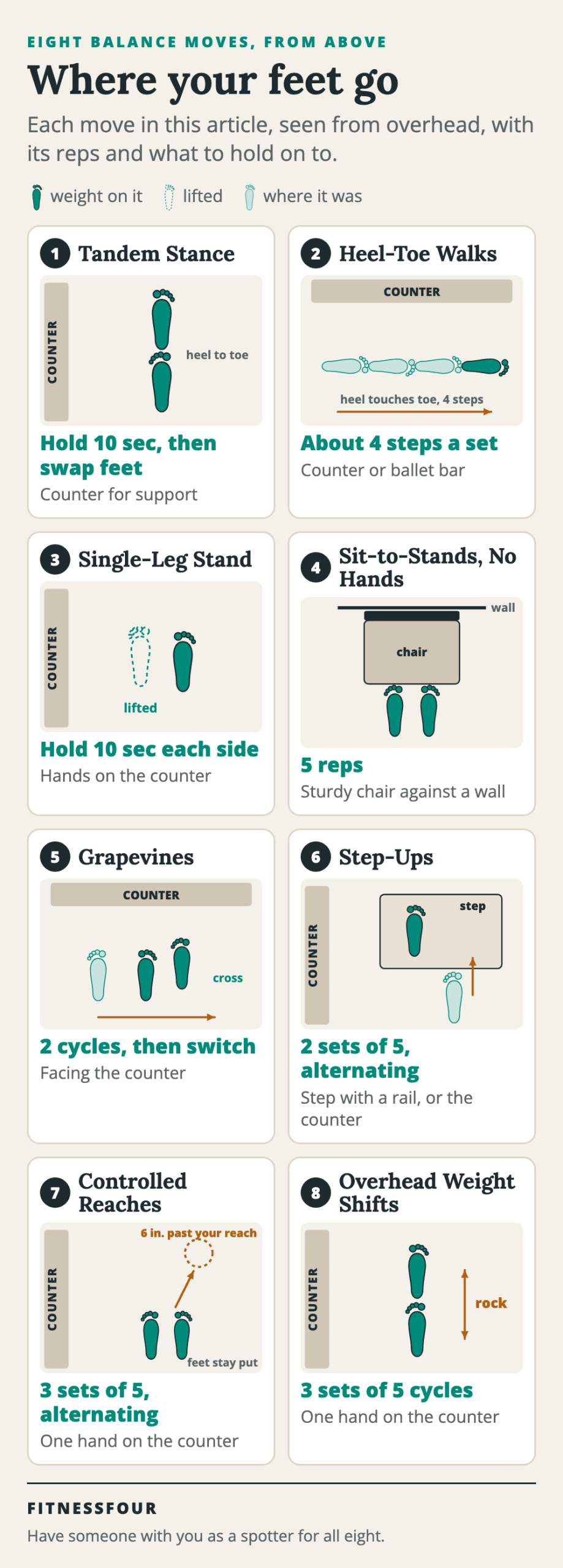
The exercises below are the ones I feel have the most value, based on personal experience and what the data supports. Add these into any workout program as a supplement to strength and endurance training. The only caveat with your balance training routine is you should have someone here with you—whether it’s your spouse, friend, or trainer, treat this as having a spotter.
Tandem Stance
You will need to use the counter top for balance support and align your feet in tandem—in a right foot in front of left foot, heel-to-toe configuration. Once you have your footing established under you, hold this stance in a good, upright posture, and while looking forward. If you feel sturdy and supported, lift your hand from the counter and hold it here.
Aim to hold this stance as best as you can for 10 seconds before swapping feet and doing it the other way. In my experience, clients go with the stronger stance on the first set, so don’t worry if swapping feet becomes harder. It’s a very simple exercise to do, but it works wonders on balance training.
Heel-Toe Walks
The heel-toe walks are very similar to the tandem stands. Hold on to something sturdy like the counter again to help maintain balance if you lose it. If you’re working out at a gym, a ballet bar would be the best option to use for your balance support.
Start this exercise by stepping your right foot in front of your left, while touching your heel to your toe, and shifting your way into the front foot. Perform the same process, but with the other foot stepping in front—again with the heel touching the toes. Perform about four total steps with each set before moving on to the next set.
The heel-toe walk is highly effective for working your balance—which is why this is used during sobriety tests. As your balance training program takes effect, you can add additional steps or change directions as you progress.
Single-Leg Stand
This exercise should be performed while holding on to the countertop as well. The single-leg stand can work your balance very effectively and it works each leg independently of the other.
Stand with your feet shoulder width apart—while keeping your hands on the counter. Lean your hips to the right side of your body so all your weight is now on your right foot—and let your left foot gently lift off the floor. Hold this spot for 10 seconds before bringing the foot back down and repeat on the other side by easing your weight in your left foot—and repeat.
The single-leg stand is a challenging exercise—but do what your body allows. If you would like to make this exercise harder you can lift your foot farther off the floor or you can even close your eyes if your body allows.
Sit-to-Stands No Hands
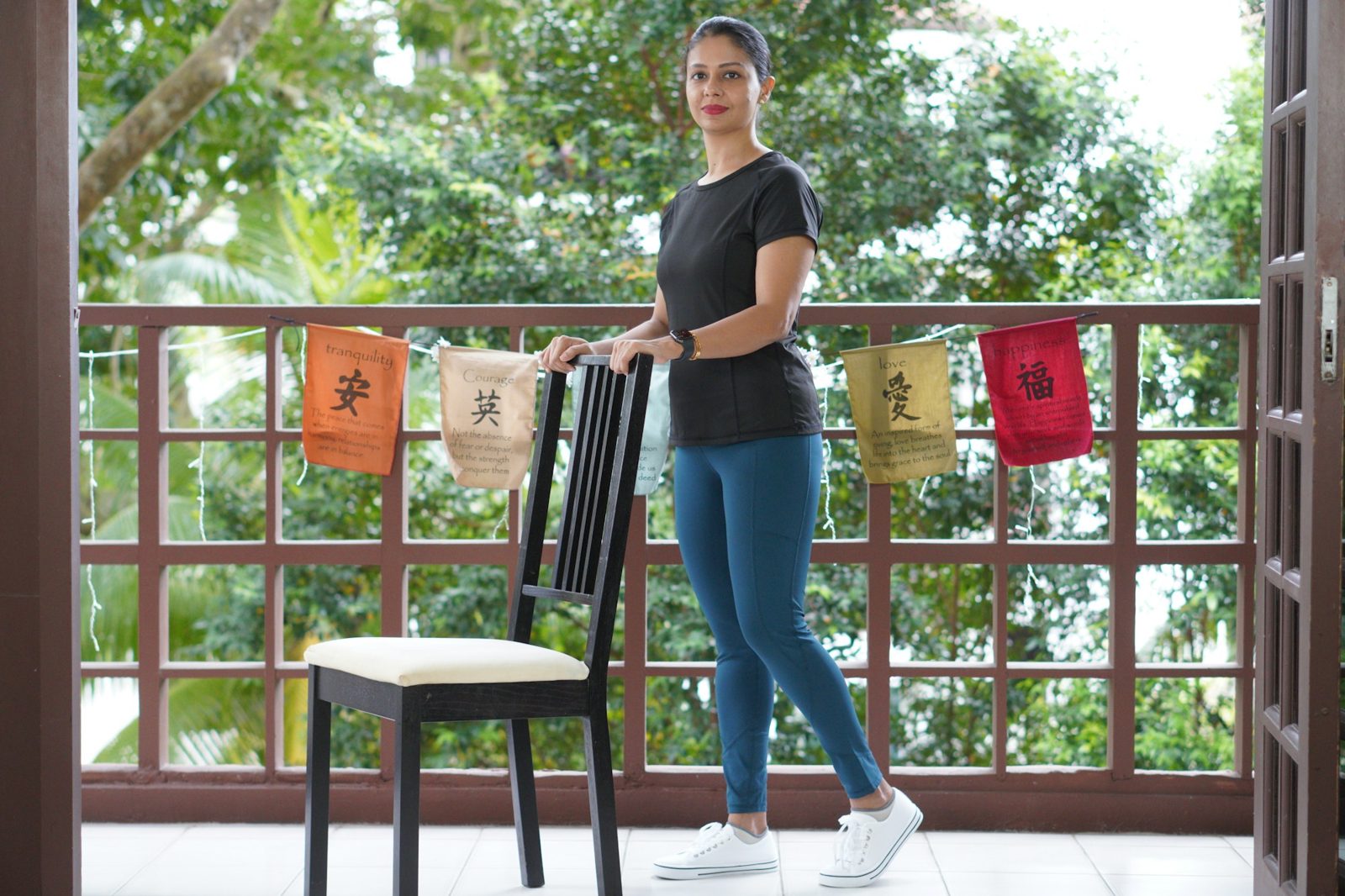
The setup for this exercise is important for safety. Place the back of a sturdy chair against a wall and make sure that the chair is safe and secure in the spot. Try to avoid using your couch for this exercise because most couches are low to the ground and harder to get out of than a hard seat chair.
Sit in the chair with your feet on the floor and shift your body to the edge. Place your hands across your chest—or put them out to the side to help your balance—and rise up to a standing position. It is helpful to lean your body weight forward before rising up. Lower back down in a slow and controlled way to where you began.
Aim to do 5 sit-to-stands with no hands, remembering this is a balance exercise rather than a deep squat so if you feel your legs are getting a workout, cut down your reps a bit.
Grapevines
You will need to use your counter—or ballet bar—for assistance with this one. The hands remain on the counter or bar for support, but grapevines involve side-to-side stepping and coordination.
Face your counter and cross your left foot over and around your planted right foot. Then bring that left foot back and around the planted right foot while moving towards the right. Take two cycles of steps and then swap directions using your right foot doing the crossing action.
Grapevines are simple, effective balance exercises that train your mind and feet to work together. Tripping on your own feet is a real risk and can be a cause of falls, so training your mind and feet to cross over like this can be effective.
Step-Ups
This is an exercise that requires some kind of equipment I perform and it is best to have a standard stepper, stairwell step, or elevated area with a rail. For this, if you have steps at home and a railing guard, use this. If not, use a stepper and use the support of your counter top for support.
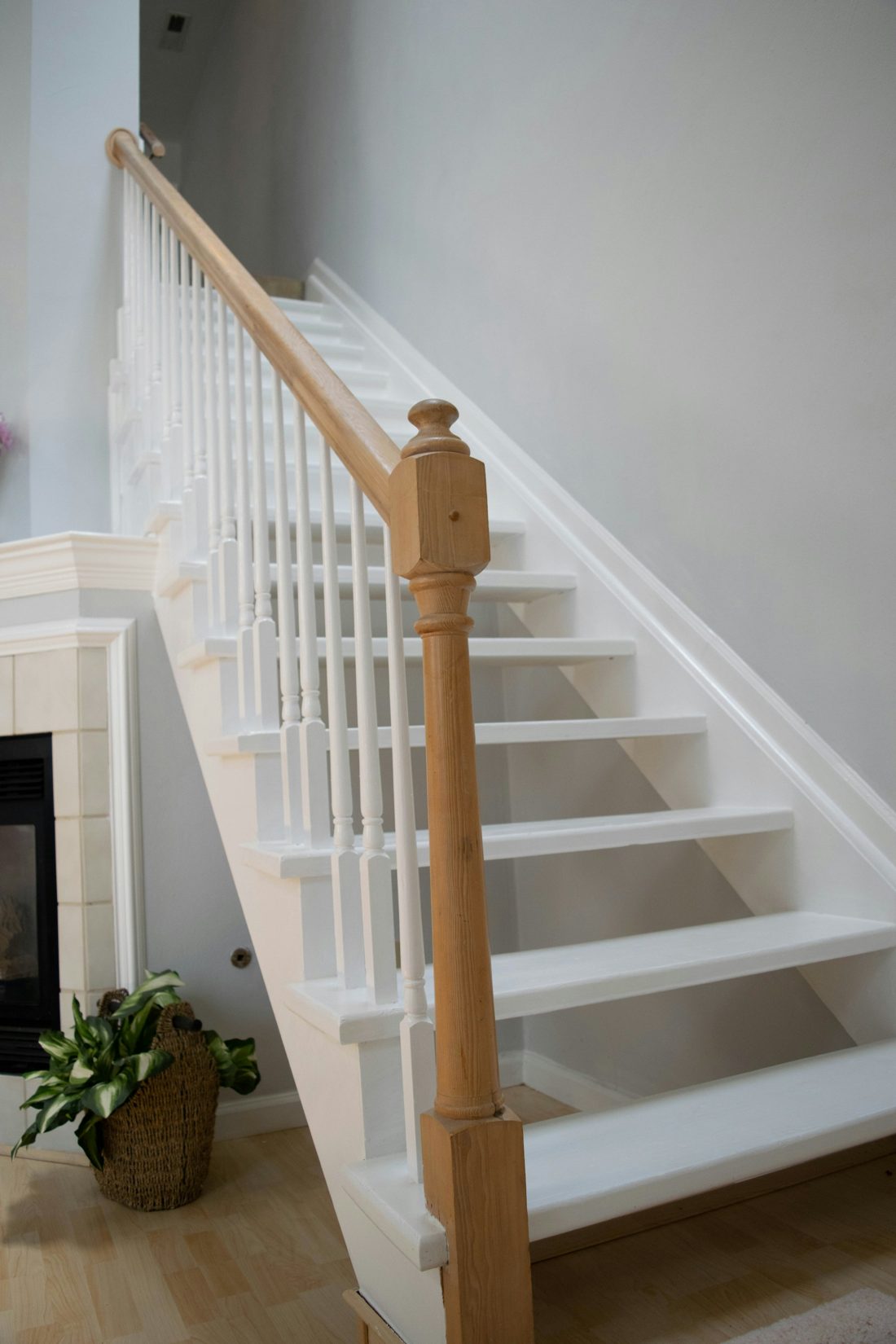
Step-ups are primarily used for balance training and each step shifts weight to simulate walking up stairs. Start close to your counter—preferably with it at your side—with your feet close to the step. Place your hand on the counter and step up with the right foot, shift your weight into the foot, and lift the left foot up. Lower back to the floor slowly and repeat with the left foot starting the exercise.
I like step-ups as they really work balance and coordination, but it is imperative to have your spotter with you for this one. Also, be mindful that this is not an endurance workout, so go slow with your movements and aim for two sets of five alternating step-ups.
Controlled Reaches
I know it’s starting to sound redundant, but this exercise is best performed with that counter top for support. Because this exercise has you reaching in front and out of your close range, it is vital for safety that you have that counter to spot you. Otherwise, this activity does not require any equipment.
Start these by standing upright in a tall position. Make an imaginary spot that is about six inches beyond your outstretched reach, as this will be your target to aim for.
Reach out in front of you with your right hand, holding on to the counter with your left, and try to touch your imaginary spot you created. Try doing this without taking a step in front of you. Repeat using your left hand reaching in front and aim for three sets of five alternating reps.
Overhead Weight Shifts
Think of this exercise as simulating a rocking chair, with your feet doing the movement. This is one of my advanced exercises for balance that I like to recommend and it is important to have your spotter around for support—or ballet bar.
Place your left hand on the counter for support, right arm lifted towards the ceiling, and your feet in a tandem stance. This is your foundation and once you are comfortable, shift your weight into your leading foot then shift in your back foot. There is no rush here, but the movement needs to be fluid so you can get the benefits for balance. Swap the tandem stance footing position and repeat.
I instruct all of my older adults to aim for five cycles for a total of three sets. Just a couple of reminders when doing this exercise it is important you have a spotter with you.
This drill works well for your stability, but it leaves you wide open for unsteadiness. If you condense or shrink your movements so that you are going at a slower—and safer—pace, then do it! Remaining upright is the winner here and we do not want to encourage an unsteady balance.
Fear of Falling
There is a big factor to the success of fall prevention and that is the fear of falling. Once the body and mind experiences a fall, there is no going back for many older women. I’ve seen active women slow down after a fall, avoid activities, and have a generalized fear in everyday life just to avoid it again.
Avoiding activities can be a step back and can even decondition you—which can then put you at risk for falling again. This cycle is vicious and it is real. The good thing is, exercise programs may help to break the cycle.
Data revealed from the National Health and Aging Trends Study showed that while the fear of falling is associated with future fall risk, balance training programs can help to lower falls among people with a fall risk.
Two vicious cycles with two different outcomes and fortunately balance training comes out on top. This just shows what balance and strength training can do for your daily living outcomes.
When This Isn’t a Do-It-Yourself Situation
There are situations when a DIY balance program is not safe. Older women should get clearance before any exercise program, but the advice of your healthcare practitioner and getting the ok to do a balance routine is valuable. Most women over 60 years old have a healthcare practitioner who monitors blood pressure, medication use, and general well-being so the clearance from this person is important before starting.
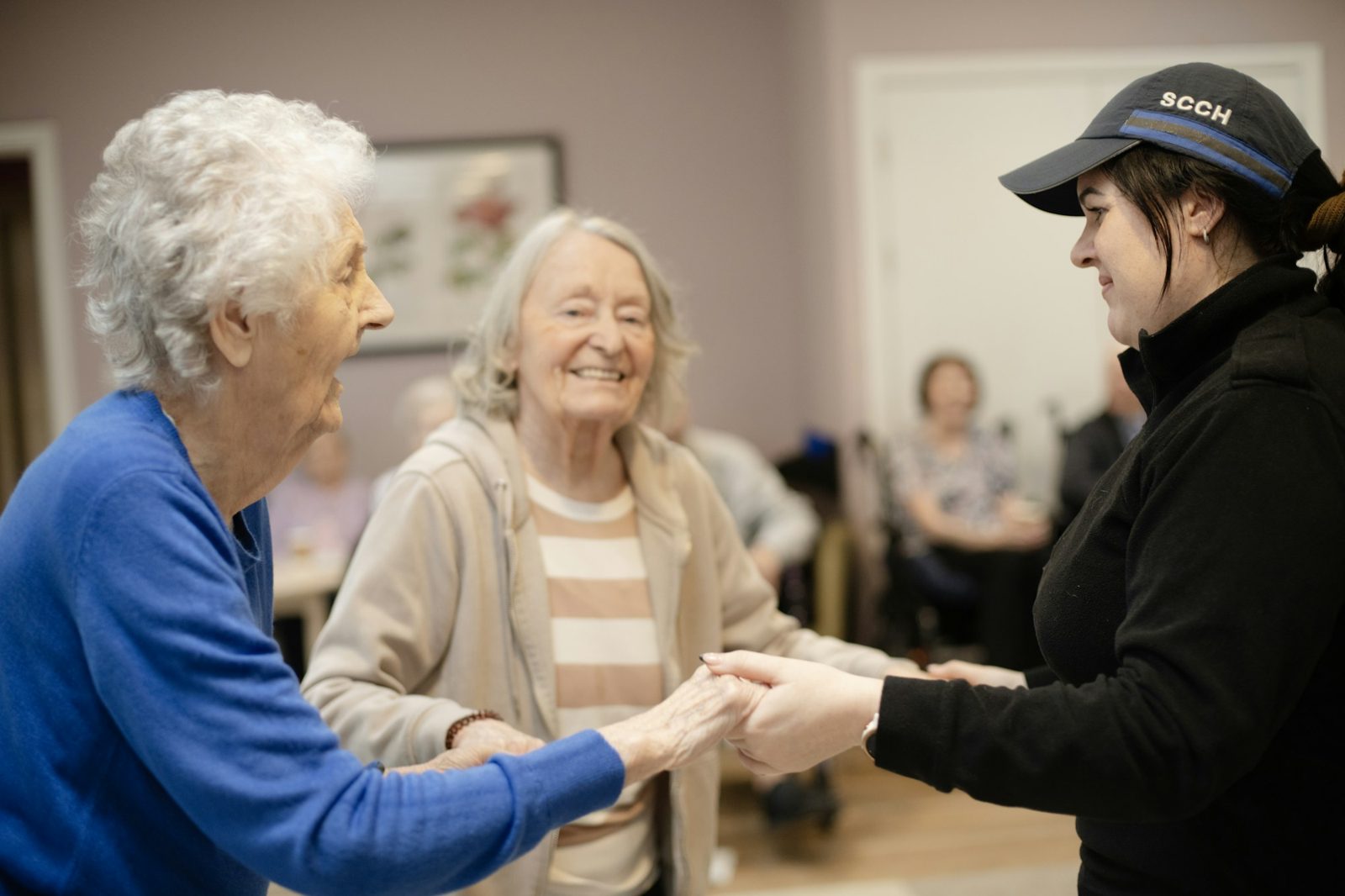
Anyone with a physical limitation, injury due to a prior fall, need an assistive device, or unexplained instability should perform balance activities with someone. A qualified professional such as a trainer with experience with older women or physical therapist are excellent options for balance training. While balance training includes promoting self-capabilities, knowing and understanding when a balance program needs to happen with a skilled professional is vital in itself.